Sourcing Pilates reformers from China
The selected Pilates reformer configurations carry 2% UK duty from China, subject to classification as adjustable-resistance exercise apparatus. Reformers supplied for consumers to use in Great Britain must be safe; confirm with Trading Standards which safety requirements apply to equipment made available in a studio. Cambridge China Bridge sources Pilates reformers.
Buying from China for a business? How our UK China sourcing agent service works · China sourcing agent for small orders and first imports
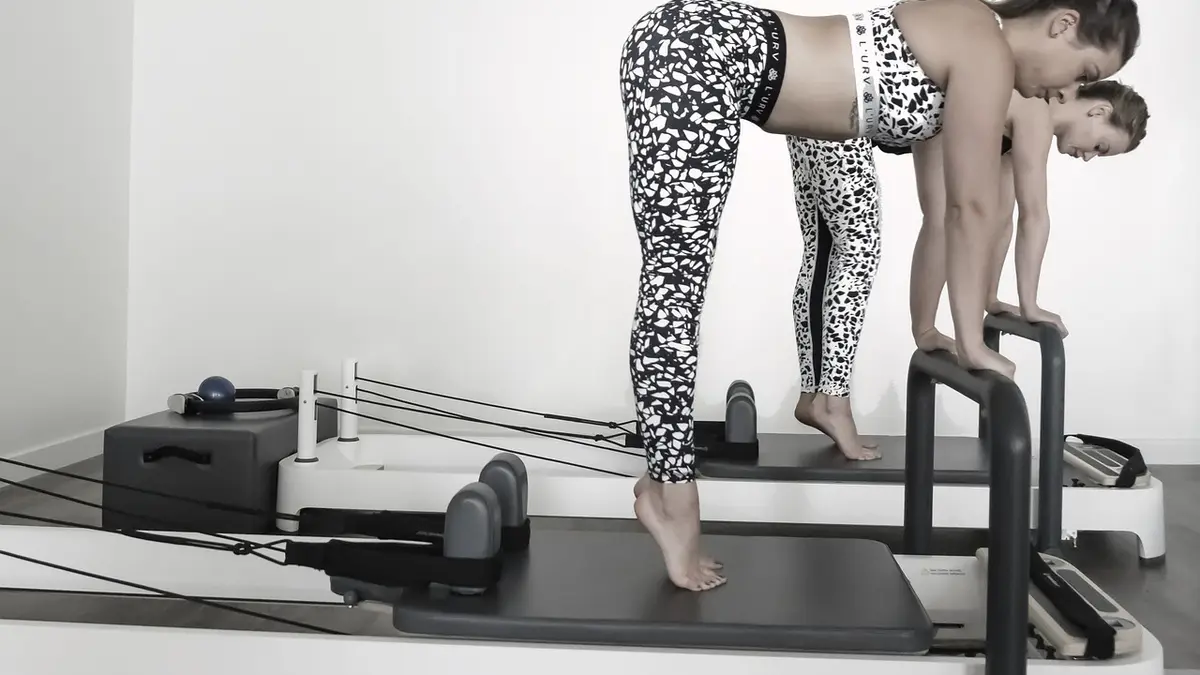
Pilates reformers: 2% duty under the candidate code
Read from the UK Trade Tariff on 9 December 2026, heading 9506 covers general exercise and sports equipment. Code 9506 91 10 00 describes exercising apparatus with adjustable resistance mechanisms and is the candidate for spring-resistance Pilates reformers. The table repeats this code for different configurations; these are not separate tariff lines.
The candidate line carries 2% duty for goods from China, with no anti-dumping or countervailing duty and no suspension recorded. The tariff attaches cat and dog fur import and export controls: such fur and products made from it are banned. Specify upholstery and accessories without these materials. A cultural-goods export licence control is also attached; ask your customs broker to confirm its relevance to any onward export.
Confirm the commodity code using the resistance mechanism, complete configuration and accessory list before costing the order. Identify separately supplied towers and replacement components for the broker rather than assuming the complete reformer's code applies. For the wider heading, see weight benches and power racks.
| Goods | Commodity code | Duty | Anti-dumping or countervailing duty on China |
|---|---|---|---|
| Wood-frame Pilates reformers with adjustable spring resistance | 9506 91 10 00 | 2% | None |
Specify springs, carriage travel and locking positions
State whether the reformer is for home use or repeated studio sessions. Specify frame material, carriage travel, platform height, usable bed dimensions and intended user weight rating. Define spring resistance, attachment positions, replacement spring identification, rope adjustment, pulley alignment and footbar locking positions. Include tower, jumpboard, box and platform compatibility where ordered.
Approve an assembled sample and agree functional and repeated-use tests for the actual configuration with a testing adviser. Confirm with Trading Standards how general product safety rules and any more specific safety requirements apply to equipment made available for consumers to use in a gym or studio. Request model-matched safety evidence and clear assembly, use and maintenance instructions.
Worked duty example
Illustrative example, not a quote: Illustrative order of 24 spring-resistance Pilates reformers under 9506 91 10 00, invoiced at £15,000 free on board, with £2,500 of freight and insurance to the UK. The customs value is £17,500. Duty at 2% is £350. Import VAT at 20% is charged on the customs value plus duty, £17,850, so it is £3,570. Import taxes total £3,920; a VAT-registered importer can usually reclaim the VAT, so the lasting cost is the £350 of duty. The import duty and VAT guide explains each step.
Inspection checklist
Carriage and frame: check rail alignment, roller tracking, stops, frame stability and smooth travel under the agreed test conditions. Inspect wood joints, welds and accessible edges.
Springs and ropes: compare resistance and spring identification with the approved sample. Check hooks, anchors, rope lengths, pulley movement and rubbing throughout carriage travel.
Locks and attachments: check footbar engagement in every agreed position, folding locks where fitted, shoulder-rest security and the fit of towers, jumpboards and boxes.
Arrival and records: check for bent rails, damp upholstery, damaged springs and missing fittings. Match instructions, model identification and spare parts to the delivered configuration. Record results using the inspection guide.
Working out your own order? Send us the product on WhatsApp and we reply the same working day: WhatsApp us
What goes wrong
A carriage may run freely when empty but bind under load because the rails are misaligned or the rollers differ from the approved sample. Spring colours can conceal inconsistent resistance. Footbar pins may appear engaged without seating fully, while mismatched rope lengths pull unevenly.
Folding joints and tower connections can develop movement during repeated use. Replacement springs or rollers may look similar yet fail to fit the original mounts. Retain an assembled reference sample, agree interchangeable wear parts and require written approval before component substitutions.
Cambridge China Bridge sources these products for UK businesses, checking the factory and the documents before shipment. See factory verification. For own-brand ranges, see sourcing for brands.
Frequently asked questions
What is the UK import duty on Pilates reformers from China?
The supplied tariff records 2% for adjustable-resistance exercise apparatus under 9506 91 10 00, with no listed anti-dumping or countervailing duty or suspension. Confirm classification for the ordered configuration.
What safety evidence should I request for studio reformers?
Request evidence matching the actual frame, springs, carriage, footbar and tower configuration, plus assembly, use and maintenance instructions. Confirm with Trading Standards which safety requirements apply to studio equipment made available for consumer use.
How do I compare Pilates reformer springs?
Agree resistance and extension behaviour against an approved sample. Check attachment geometry and replacement identification; matching spring colours alone does not establish matching resistance.
Can I buy replacement parts with the reformers?
Specify springs, rollers, ropes, straps and upholstery by the approved model and mounting dimensions. Trial-fit replacement parts before dispatch and ask the broker to check separately supplied components.