Sourcing exercise foam rollers from China
The selected exercise foam roller variants carry 2% UK duty from China under the candidate exercise-equipment code. Consumer rollers supplied in Great Britain must be safe. Confirm classification, foam firmness and resistance to collapse before ordering. Cambridge China Bridge sources exercise foam rollers.
Buying from China for a business? How our UK China sourcing agent service works · China sourcing agent for small orders and first imports
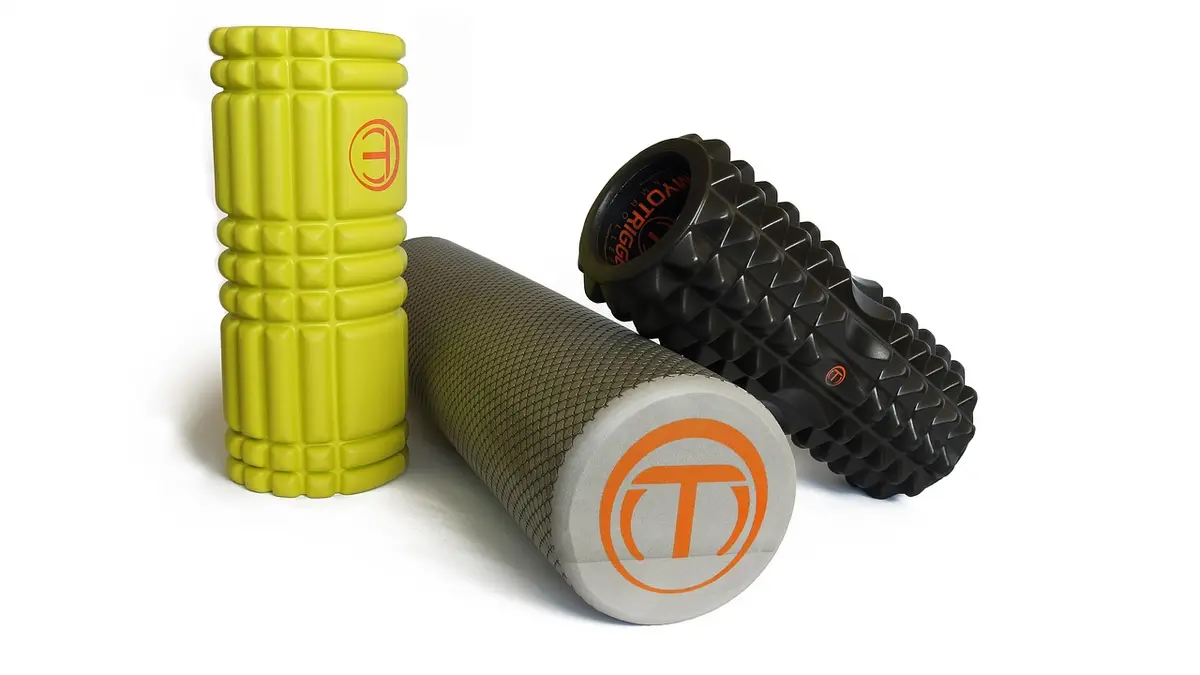
Exercise foam rollers: candidate duty of 2%
Read from the UK Trade Tariff on 11 December 2026, heading 9506 covers general exercise and sports equipment. Other exercise equipment under 9506 91 90 00 is the candidate line for ordinary, non-powered exercise foam rollers. The table repeats this code for different constructions; these are not separate tariff subheadings.
The candidate line carries 2% duty for goods from China, with no anti-dumping or countervailing duty and no suspension recorded. It attaches cat and dog fur import and export controls: that fur and products made from it are banned. Specify foam, cores and covers without such fur. A cultural-goods export licence measure is also attached; ask your customs broker to confirm its relevance to any onward export.
Confirm the commodity code using the finished roller, material specification and intended exercise use. Describe powered or therapeutic products separately when requesting classification advice. For another product family within this heading, see yoga mats.
| Goods | Commodity code | Duty | Anti-dumping or countervailing duty on China |
|---|---|---|---|
| Smooth solid exercise foam rollers, candidate classification | 9506 91 90 00 | 2% | None |
Specify foam firmness, recovery and core strength
Specify the foam polymer, density, firmness, length, diameter, surface profile and colour. Identify solid foam or a foam sleeve over a rigid core. Agree dimensional tolerances and a repeatable compression-and-recovery check using an approved sample. For hollow rollers, specify core material, wall construction and how the sleeve is bonded.
Consumer rollers supplied in Great Britain must be safe. Assess collapse, cracking, sharp core edges and surface shedding during reasonably foreseeable use. Request safety evidence matching the actual materials and construction, plus instructions explaining relevant risks. Where reasonable, include the producer's name and address and the product or batch reference on the product or packaging, and confirm the applicable identification requirements with the relevant authority.
Worked duty example
Illustrative example, not a quote: Illustrative order of 350 solid exercise foam rollers under 9506 91 90 00, invoiced at £2,500 free on board, with £350 of freight and insurance to the UK. The customs value is £2,850. Duty at 2% is £57. Import VAT at 20% is charged on the customs value plus duty, £2,907, so it is £581.40. Import taxes total £638.40; a VAT-registered importer can usually reclaim the VAT, so the lasting cost is the £57 of duty. The import duty and VAT guide explains each step.
Inspection checklist
Shape and firmness: check dimensions, straightness, roundness and compression recovery against the approved sample. Compare samples from different cartons.
Core and bonding: apply the agreed load check, examine core ends for cracks or sharp edges, and check that the sleeve does not rotate or separate.
Surface: inspect moulding seams, loose particles and damaged texture. Check colour transfer onto a damp cloth and compare cleaning performance with the agreed instructions.
Arrival and identification: check crushing, persistent deformation, moisture damage, quantities and batch identification. Record findings using the inspection guide.
Working out your own order? Send us the product on WhatsApp and we reply the same working day: WhatsApp us
What goes wrong
A roller can match the sample's colour and dimensions but compress much more easily because the foam formulation has changed. Hollow cores can crack under body weight, sleeves can slip, and raised textures can tear or shed particles. Tight packing can leave rollers flattened on arrival.
Retain approved samples, prohibit material substitutions without written approval, and agree acceptance checks before production. Inspect finished packed goods before dispatch, then repeat shape, recovery and core checks after unpacking the delivery.
Cambridge China Bridge sources these products for UK businesses, checking the factory and the documents before shipment. See factory verification. For own-brand ranges, see sourcing for brands.
Frequently asked questions
What is the UK import duty on exercise foam rollers from China?
The candidate line 9506 91 90 00 carries 2% duty in the supplied tariff record, with no anti-dumping or countervailing duty or suspension. Confirm classification for the finished roller.
Should I order solid or hollow-core foam rollers?
Compare firmness, recovery, weight and performance under the intended load. Solid rollers depend on foam consistency; hollow rollers also need checks on core strength and sleeve bonding.
What safety information should I request from the factory?
Request evidence matching the actual foam, core and construction, plus instructions covering relevant risks. Consumer rollers supplied in Great Britain must be safe.
How do I check foam roller firmness before accepting an order?
Agree a repeatable compression-and-recovery method against a retained sample. Check finished rollers from different cartons for inconsistent firmness, permanent flattening and core cracking.