Sourcing Myrrh Resin from China
Myrrh resin of Chinese origin under the other natural resins line pays 0% UK duty, with no anti-dumping duty. Check botanical identity and intended use before ordering: the tariff attaches CITES, controlled-drug and organic import controls to this shared line. Cambridge China Bridge sources myrrh resin.
Buying from China for a business? How our UK China sourcing agent service works · China sourcing agent for small orders and first imports
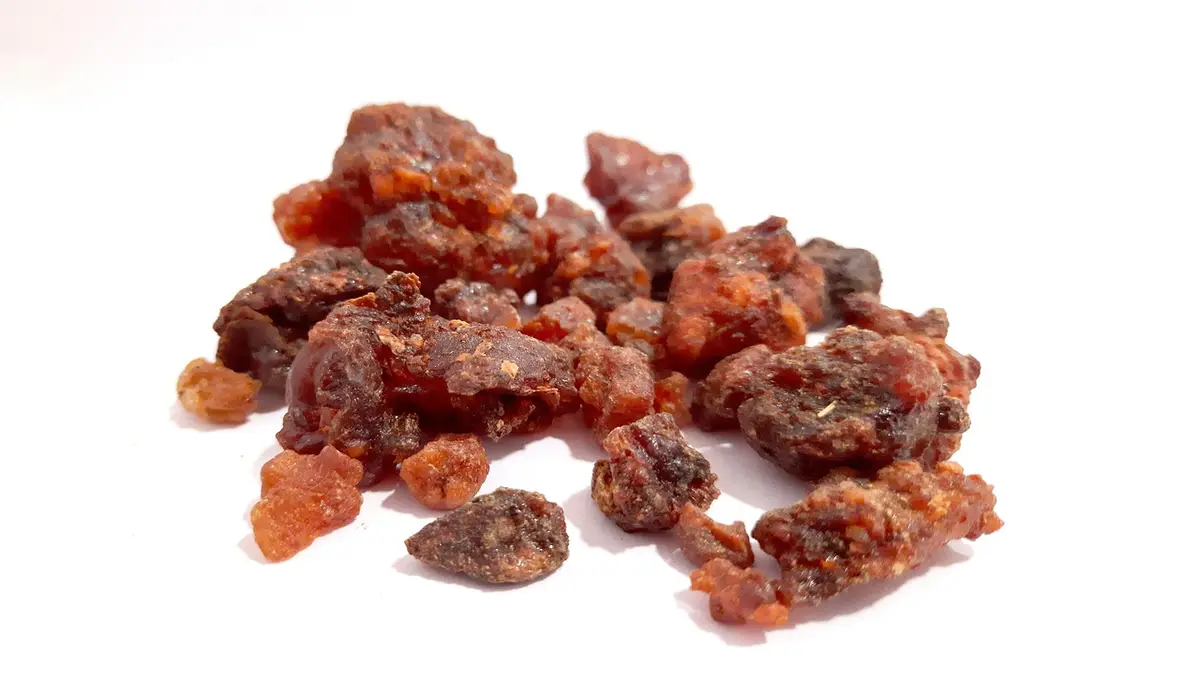
Myrrh resin duty and shared-line controls
Read from the UK Trade Tariff on 1 October 2026, heading 1301 covers lac, natural gums, resins, gum-resins and oleoresins. Unblended natural myrrh resin falls within the other line, 1301 90 00 00, carrying 0% duty for goods of Chinese origin. The supplied snapshot records no anti-dumping or countervailing duty and no suspension. The table repeats this shared tariff line for different purchasing forms.
The tariff attaches CITES, Home Office controlled-drug and organic import controls. CITES-listed species require permits; controlled drugs or precursor chemicals require an import licence. These flags do not establish that your myrrh needs either. Have your broker confirm applicability using the species and composition. For organic claims, confirm the inspection-certificate requirement with your broker and consult an approved UK organic control body. The snapshot also flags CITES and controlled-drug export controls.
Confirm the commodity code using the botanical source, processing and any added ingredients. For wider resin purchasing context, see the frankincense resin guide.
| Goods | Commodity code | Duty | Anti-dumping or countervailing duty on China |
|---|---|---|---|
| Unblended myrrh resin tears | 1301 90 00 00 | 0% | None |
Specify myrrh identity, form and intended use
Ask for the botanical name, harvesting country, processing location and batch history. A Chinese supplier address is not evidence of where the resin was harvested. Specify natural resin rather than essential oil, solvent extract or a fragranced blend, and obtain a declaration of added ingredients.
Agree tears, broken pieces, sifted granules or powder against a retained sample. Set acceptance criteria for colour, odour, particle size, moisture, foreign matter and packaging. For incense manufacture, trial the material in your own formulation before accepting the bulk batch.
Ask for composition and hazard information. HSE says chemical products classified as dangerous to supply come with a safety data sheet. Agree testing for identity and relevant contaminants through testing and certification. An incense specification does not demonstrate food or cosmetic suitability.
Worked duty example
Illustrative example, not a quote: Illustrative order: 2 tonnes of unblended myrrh resin for incense manufacture under 1301 90 00 00, invoiced at £16,000 free on board, with £900 of freight and insurance to the UK. The customs value is £16,900. Duty at 0% is £0. Import VAT at 20% is charged on the customs value plus duty, £16,900, so it is £3,380. With no duty, the only import tax is the VAT, which a VAT-registered importer can usually reclaim. The import duty and VAT guide explains each step.
Inspection checklist
Identity: compare the batch with the retained sample and check that the botanical name agrees across the specification, analysis report and shipment documents.
Cleanliness: examine material from different bags for bark, sand, stones, insects, mould and unexpected fillers.
Form and performance: check the agreed particle distribution, excessive dust, clumping, colour and odour; repeat your formulation trial.
Packing and records: check dry, sealed liners, legible batch identification and matching analysis reports; retain an arrival sample.
Working out your own order? Send us the product on WhatsApp and we reply the same working day: WhatsApp us
What goes wrong
A sample of selected tears can conceal a bulk shipment dominated by dust, bark or mixed resin. Powder is harder to assess visually. Damp packaging can leave clumped material, while added fragrance can obscure differences in odour. Agree sampling across the shipment and investigate discrepancies before using the batch.
Trade names can conceal botanical identity and leave the broker unable to resolve shared-line controls. Keep the intended use and sales claims consistent with the supporting evidence. Confirm any registration or licensing requirements for herbal remedies with the medicines regulator; buying raw incense resin does not establish that a medicinal product can be sold.
Cambridge China Bridge sources these products for UK businesses, checking the factory and the documents before shipment. See factory verification. For repeat volumes, see container programmes.
Frequently asked questions
What is the UK import duty on myrrh resin from China?
The supplied tariff snapshot gives 0% duty under 1301 90 00 00 for goods of Chinese origin, with no anti-dumping or countervailing duty recorded. Confirm that your product is unblended natural resin.
Does myrrh resin need a CITES permit?
The shared tariff line carries a CITES control. Permit requirements depend on the botanical species and the material covered by its listing. Give your broker the botanical identity rather than relying on the name myrrh.
Can I buy organic myrrh resin from China?
The tariff attaches an organic import control. Confirm whether it applies to your product and intended use, including inspection-certificate requirements, with your broker and an approved UK organic control body before shipment.
What should I check in a myrrh resin sample?
Check botanical identity, added ingredients, odour, colour, particle size, dust, moisture and foreign matter. Compare bulk material with the retained sample and trial it in the intended formulation.