Sourcing Mastic Resin from China
Natural mastic resin from China carries 0% UK duty under the other natural resins line, with no listed trade remedy. Food material must be safe and legal before import; organic material needs inspection documentation. Confirm botanical identity and the tariff's attached controls. Cambridge China Bridge sources mastic resin.
Buying from China for a business? How our UK China sourcing agent service works · China sourcing agent for small orders and first imports
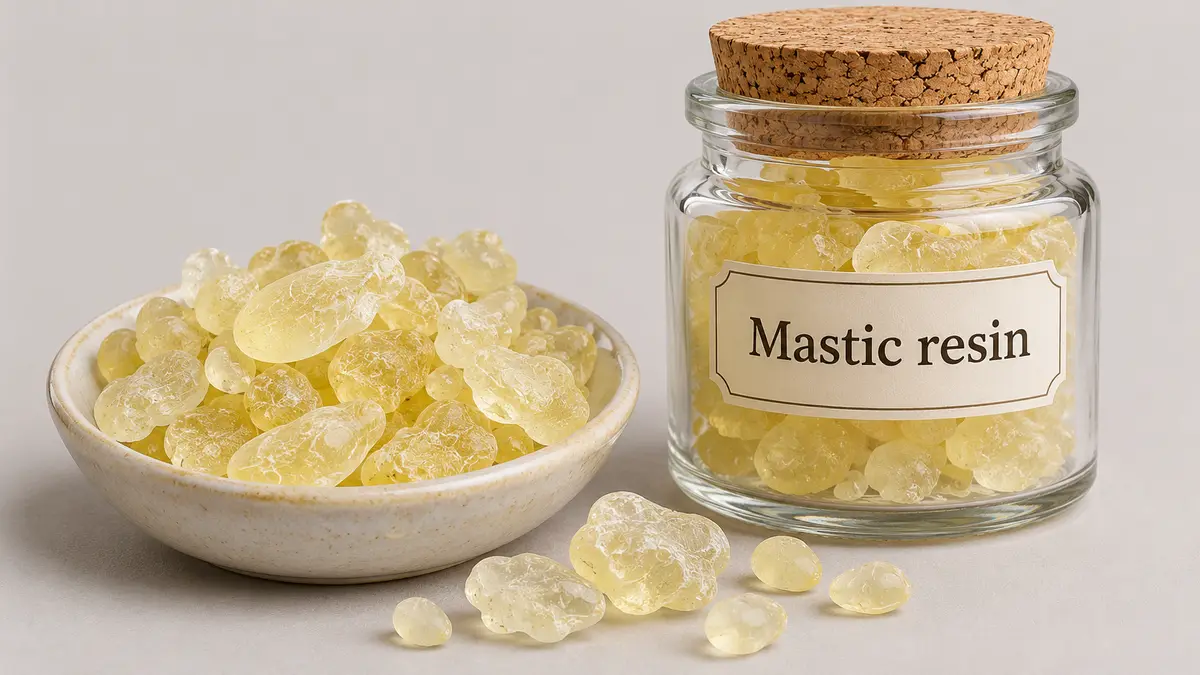
Mastic resin classification and duty
Read from the UK Trade Tariff on 1 October 2026, heading 1301 covers lac, natural gums, resins, gum-resins and oleoresins. Natural mastic resin falls within the other natural resins line, 1301 90 00 00, carrying 0% duty for goods from China. The supplied tariff record lists no anti-dumping or countervailing duty and no suspension. The table shows buying forms sharing that line, rather than separate tariff subdivisions.
The tariff attaches organic import control, CITES import and export controls, and Home Office controlled-drug import and export controls. Organic food-grade mastic from China needs a Great Britain certificate of inspection. CITES-listed species require permits; importing or exporting controlled drugs or precursor chemicals requires a licence application. These broader-line flags do not establish the requirements for a particular mastic batch. Give your customs broker the botanical identity and composition to confirm which controls apply.
Confirm the commodity code against the resin's botanical source, processing and any added ingredients before shipment. Ask the supplier to separate harvesting origin from the country of dispatch. Use the dammar resin guide for related coverage of the wider natural-resins heading.
| Goods | Commodity code | Duty | Anti-dumping or countervailing duty on China |
|---|---|---|---|
| Natural mastic resin tears | 1301 90 00 00 | 0% | None |
Specify mastic identity, form and intended use
Write the botanical name, harvesting origin, supplier's cleaning process and intended use into the purchase specification. State whether you want whole tears, broken resin or powder, and disclose any carrier, other resin or added ingredient. Approve a retained reference sample for colour, aroma and performance in your own recipe or process.
Agree acceptance criteria for foreign matter, moisture, ash and particle size. For food use, importers must ensure the material is safe and legal before import into Great Britain. Ask for batch analysis and agree suitable microbiological, heavy-metal and pesticide testing with a laboratory. Treat testing as a purchasing check, rather than assuming a supplier's food-grade label proves compliance.
Worked duty example
Illustrative example, not a quote: Illustrative small-business batch of cleaned mastic resin tears under 1301 90 00 00, invoiced at £16,000 free on board, with £900 of freight and insurance to the UK. The customs value is £16,900. Duty at 0% is £0. Import VAT at 20% is charged on the customs value plus duty, £16,900, so it is £3,380. With no duty, the only import tax is the VAT, which a VAT-registered importer can usually reclaim. The import duty and VAT guide explains each step.
Inspection checklist
Identity: compare the delivered batch with the approved sample and botanical documentation; investigate mixed resin, fillers or unexplained changes in aroma.
Cleanliness: examine tears for bark, grit and other foreign matter; check powder for caking and compare agreed moisture and ash results.
Function: trial the batch in the intended food recipe, fragrance blend or technical process; compare dispersion, aroma and unwanted residue.
Packing: check sealed liners, dry cartons, batch identification and correspondence between labels, packing list and analysis report; retain a sample from the delivered batch.
Working out your own order? Send us the product on WhatsApp and we reply the same working day: WhatsApp us
What goes wrong
A description such as mastic gum can conceal a blend or leave the plant source unclear. Powder makes visual identification harder, while poorly cleaned tears can contain grit and bark. Damp packing can cause caking. A sample that performs well does not settle the identity or cleanliness of the shipped batch.
Keep approval tied to the batch and agreed use. Hold material with mismatched documents or failed acceptance checks while you investigate. For organic food material, confirm the certificate arrangements before dispatch; for the tariff's CITES and controlled-drug flags, obtain your broker's product-specific confirmation.
Cambridge China Bridge sources these products for UK businesses, checking the factory and the documents before shipment. See factory verification. For repeat volumes, see container programmes.
Frequently asked questions
What is the UK import duty on mastic resin from China?
Natural mastic resin under 1301 90 00 00 carries 0% duty for goods from China.
Does organic mastic resin need import documentation?
Organic food-grade mastic imported from China into Great Britain needs a Great Britain certificate of inspection. Confirm the arrangements with your customs broker before dispatch.
Is mastic resin supplied from China necessarily Chinese-grown?
Ask separately for the harvesting origin and country of dispatch. Check the supplier's traceability documents rather than treating its business address as evidence of where the resin was harvested.
What should I test before accepting mastic resin?
Check identity, foreign matter, moisture, ash and performance against the agreed sample. For food use, agree suitable microbiological, heavy-metal and pesticide tests with a laboratory.