Sourcing Dammar Resin from China
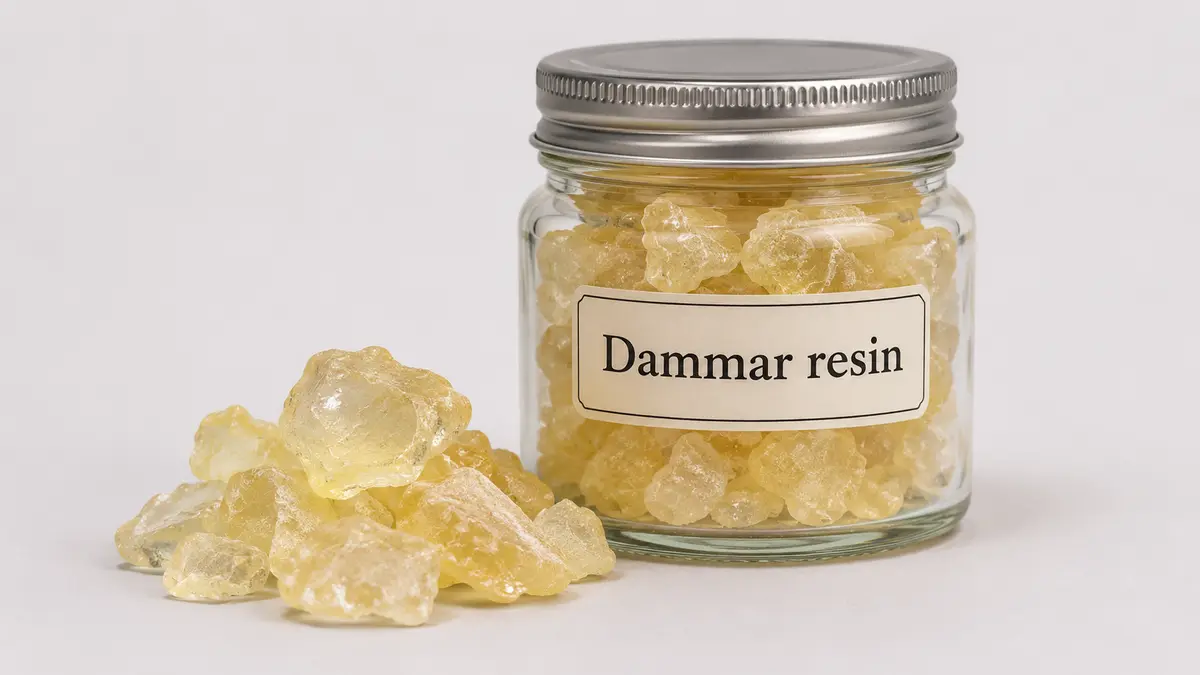
Natural dammar resin from China carries 0% UK import duty under the other natural resins line. Confirm the botanical identity and processing, then check whether the attached CITES, controlled drug and organic controls apply to the actual goods. Cambridge China Bridge sources dammar resin.
Buying from China for a business? How our UK China sourcing agent service works · China sourcing agent for small orders and first imports
Dammar resin duty and conditional controls
Read from the UK Trade Tariff on 1 October 2026, heading 1301 covers lac, natural gums, resins, gum-resins and oleoresins. Natural dammar resin falls within the other natural resins line, 1301 90 00 00, subject to classification confirmation. Duty on goods from China is 0%, with no anti-dumping or countervailing duty and no suspension listed. The table shows forms sharing this tariff line, rather than separate commodity codes.
The supplied tariff record attaches CITES and Home Office controlled drug controls for imports and exports, plus an organic import control. CITES documentation depends on the botanical species and derivative. Controlled drugs or precursor chemicals require a licence application. These are conditional controls across a broad line. For dammar described as organic, the importer should confirm the applicable requirement with their customs broker; the organic food guidance does not establish the treatment of technical resin.
Confirm the commodity code using the botanical source, composition and processing, especially for resin dissolved in solvent or blended with other materials. See the wider natural gums and resins guide. Rosin is classified in heading 3806. Technical grades are standard-rated for VAT; see UK import duty and VAT.
| Goods | Commodity code | Duty | Anti-dumping or countervailing duty on China |
|---|---|---|---|
| Natural dammar resin lumps | 1301 90 00 00 | 0% | None |
Specify dammar identity and varnish performance
Ask the Chinese supplier to identify the botanical species, country of collection and processing site. Distinguish collecting, sorting and grinding from extraction or blending. Agree whether the order is lumps, tears, crushed resin or powder, and require disclosure of added resin, filler or solvent.
Set acceptance criteria against a retained sample: resin colour, particle distribution, moisture, foreign matter and insoluble residue. For varnish making, agree a dissolution test in your chosen solvent and compare solution clarity and the dried film. UK REACH regulates chemicals placed on the market in Great Britain; review the obligations for the actual substance before supplying it.
Worked duty example
Illustrative example, not a quote: Illustrative order: 2 tonnes of natural dammar resin for varnish making under 1301 90 00 00, invoiced at £16,000 free on board, with £900 of freight and insurance to the UK. The customs value is £16,900. Duty at 0% is £0. Import VAT at 20% is charged on the customs value plus duty, £16,900, so it is £3,380. With no duty, the only import tax is the VAT, which a VAT-registered importer can usually reclaim. The import duty and VAT guide explains each step.
Inspection checklist
Identity: match the botanical declaration, composition and batch reference to the purchase specification and retained sample.
Cleanliness: inspect for bark, sand and other foreign matter, then test moisture and insoluble residue against the agreed criteria.
Performance: compare colour, dissolution, solution clarity and dried-film appearance using the agreed preparation method.
Packing: check dry, closed packaging, batch identification and the amount of fines or compacted material against the approved sample.
Working out your own order? Send us the product on WhatsApp and we reply the same working day: WhatsApp us
What goes wrong
A trade name alone leaves botanical identity unresolved. A supplier may deliver a blend where the buyer expected unmodified resin, or a darker, dirtier batch than the sample. Powder can conceal foreign material that was visible in lumps. Check composition and performance rather than accepting the grade name as proof.
A clear-looking resin sample can still leave sediment or produce an unsuitable film in your formulation. Run the agreed dissolution and application trial before accepting the batch. Resolve the tariff control checks using the actual species and composition before shipment.
Cambridge China Bridge sources these products for UK businesses, checking the factory and the documents before shipment. See factory verification. For repeat volumes, see container programmes.
Frequently asked questions
What is the UK import duty on dammar resin from China?
Natural dammar resin under 1301 90 00 00 carries 0% duty on goods from China in the supplied tariff record, with no anti-dumping or countervailing duty listed.
Does dammar resin need a CITES permit?
Check the botanical species and derivative. The tariff line carries a CITES control, but the trade name alone does not establish whether the consignment needs CITES documentation.
What should I test in dammar resin for varnish?
Compare colour, moisture, foreign matter and insoluble residue with the agreed sample. Test dissolution in your chosen solvent, solution clarity and the dried film.
Can I use the same code for dammar varnish?
Confirm classification separately for solvent solutions and blends. Supply the broker with the full composition and processing details rather than relying on the raw resin code.