Sourcing makeup setting powders from China
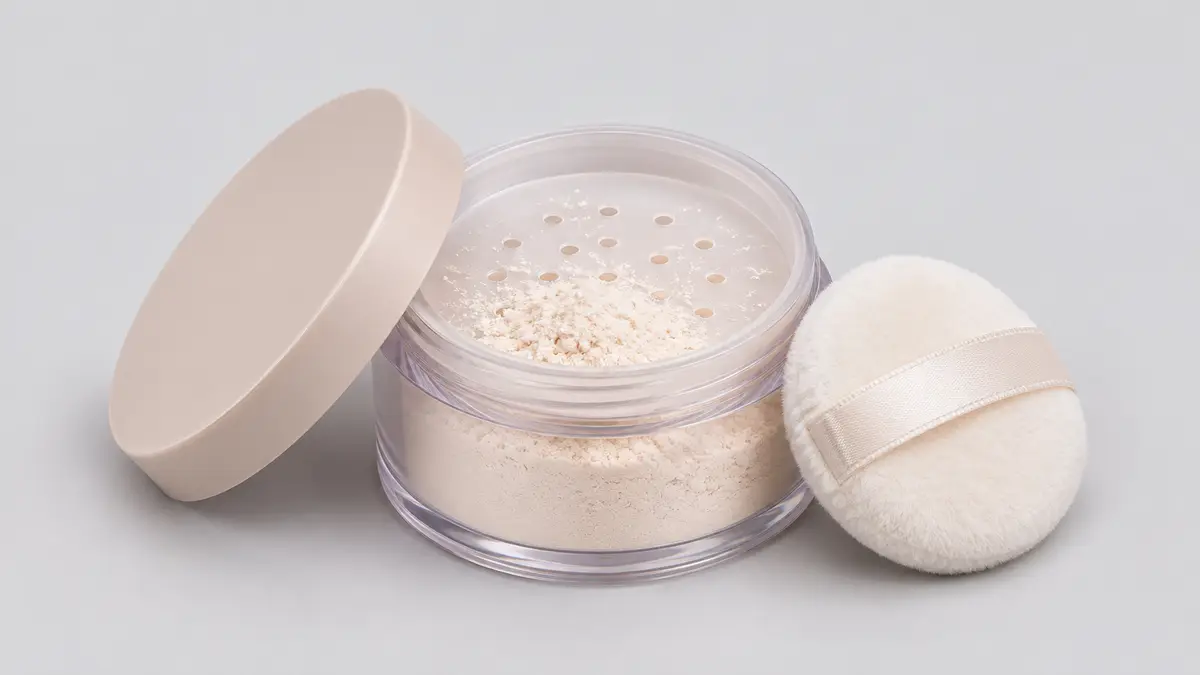
Makeup setting powders from China carry 0% UK duty under 3304 91 00 00, covering loose and pressed powders. Before sale in Great Britain, a qualified safety assessor must check product safety. Approve the finish, shade and dispensing pack together. Cambridge China Bridge sources makeup setting powders.
Buying from China for a business? How our UK China sourcing agent service works · China sourcing agent for small orders and first imports
UK duty on makeup setting powders
Heading 3304 covers beauty, make-up, skin-care and manicure or pedicure preparations. Makeup setting powders fall within powders, whether or not compressed, under 3304 91 00 00. The table shows formats sharing that code. For the wider heading, see the liquid foundation guide.
Read from the UK Trade Tariff on 16 December 2026, all supplied lines carry 0% duty for goods from China, with no recorded anti-dumping or countervailing duty and no listed suspensions. Import VAT is 20%. The tariff attaches a mercury export control to the powder line; ask your customs broker to confirm its relevance if exporting.
The separate code 3304 99 00 00 carries CITES import and export controls. If your broker classifies a product there, confirm the requirements for its actual ingredients before shipment from China. Confirm the formula, intended use and presentation when finding your commodity code.
| Goods | Commodity code | Duty | Anti-dumping or countervailing duty on China |
|---|---|---|---|
| Loose translucent makeup setting powder | 3304 91 00 00 | 0% | None |
Specify the powder finish and dispensing pack
Specify loose or pressed format, translucent or tinted finish, shade, coverage, fragrance and whether talc is included. Agree how to compare feel, powder pickup, visible residue and appearance over foundation against a retained sample. Check translucent claims across the skin tones you intend to serve, including under flash photography.
Approve loose powder in its final jar, sifter, seal and lid. For pressed powder, approve the pan, compact and applicator together. Agree checks for dust escaping during opening, uneven dispensing, caking and pan breakage after handling. Ask for stability and packaging compatibility evidence for the exact formula and pack.
Give the qualified safety assessor the full quantitative formula, with confidential disclosure agreed before ordering. Before sale in Great Britain, confirm the requirements for a Responsible Person with a UK established address, a product information file and product notification. Have ingredient restrictions reviewed before approving production.
Worked duty example
Illustrative example, not a quote: Illustrative small-business order of 200 jars of loose setting powder under 3304 91 00 00, invoiced at £6,000 free on board, with £600 of freight and insurance to the UK. The customs value is £6,600. Duty at 0% is £0. Import VAT at 20% is charged on the customs value plus duty, £6,600, so it is £1,320. With no duty, the only import tax is the VAT, which a VAT-registered importer can usually reclaim. The import duty and VAT guide explains each step.
Inspection checklist
Powder: compare shade, feel, odour, clumping and application with the retained sample; check visible residue over the agreed foundation and under the agreed lighting.
Pack: inspect sifters, seals, lids and hinges; check for escaped powder, cracked pans, loose inserts and damage inside delivery cartons.
Fill and traceability: check fill quantity against the specification, match batch identification to production records and retain sealed samples.
Artwork: compare ingredients, warnings, durability information, product function and Responsible Person details with approved artwork; check print remains readable during handling.
Working out your own order? Send us the product on WhatsApp and we reply the same working day: WhatsApp us
What goes wrong
A powder approved only on a sample card may leave a pale cast over foundation or look different in flash photographs. Excess pickup can make the finish patchy, while a pressed pan can crumble during delivery. Agree an application method and handling checks before approving the production sample.
A changed pigment, binder or sifter can alter the result even when the product name stays the same. Require written approval for formula and packaging changes, and compare shipment samples with the retained standard. An ingredient list alone does not replace the full quantitative formula requested by the safety assessor.
Cambridge China Bridge sources these products for UK businesses, checking the factory and the documents before shipment. See factory verification. For repeat volumes, see container programmes.
Frequently asked questions
What is the UK import duty on setting powder from China?
0% under 3304 91 00 00, with no recorded anti-dumping or countervailing duty and no listed suspension. Import VAT is 20%.
Do loose and pressed setting powders use the same code?
The supplied powder line, 3304 91 00 00, covers powders whether or not compressed. Confirm the actual formula, intended use and presentation with your customs broker.
How do I check whether translucent powder leaves a white cast?
Compare the approved sample over your intended foundation on the skin tones you plan to serve. Use agreed lighting and flash photographs, keeping application quantity and method consistent.
What documents should I request from the powder factory?
Request the full quantitative formula for your safety assessor, batch records and stability and packaging compatibility evidence. Confirm Great Britain requirements for the Responsible Person, product information file and notification before sale.
Sources
What most often fails: Cosmetics
UK OPSS + EU / EEA Safety Gate (alerts counted separately in each system) · China-origin alerts over the 24 calendar month coverage window(2024-12 – 2026-11) · 165
Combined counts are alerts from both systems, not unique products across markets. Each source uses its own publication window; the same product may appear in both. · OPSS: 2024-12 – 2026-11 · Safety Gate: 2024-12 – 2026-11
- Other / unclassified: 142
- Chemical: 18
- Burns: 2
Most-cited regulations
- Cosmetic Products Regulation: 153
- Regulation (EC) 1223/2009: 7
- Cosmetic Products Enforcement Regulations 2013: 5
Checks to ask the factory for
- Ask the factory to identify the applicable product safety requirements and supporting tests.
- Compare the final sample, labels and instructions with the agreed specification.
- Ask for batch traceability and documented review of any safety-related design changes.
Questions for due diligence, not a certification checklist or a guarantee of compliance. Select the applicable standards and tests with a competent laboratory.
The current calendar month is partial. These are published alerts, safety reports and recalls, not a measure of all products sold or a recall rate. Hong Kong is reported separately.
All recall dataContains public sector information licensed under the Open Government Licence v3.0 (OPSS, GOV.UK product safety alerts)
Source: European Commission, Safety Gate, English XML (en), extracted 2026-11-09. XML distribution: CC0. Cambridge China Bridge analysis.