Sourcing makeup bronzers from China
Makeup bronzers from China carry 0% UK duty across the relevant powder and other make-up lines. Before sale in Great Britain, safety must be checked by a qualified assessor. Agree shade, undertone and finish against retained samples, then check the filled selling pack. Cambridge China Bridge sources makeup bronzers.
Buying from China for a business? How our UK China sourcing agent service works · China sourcing agent for small orders and first imports
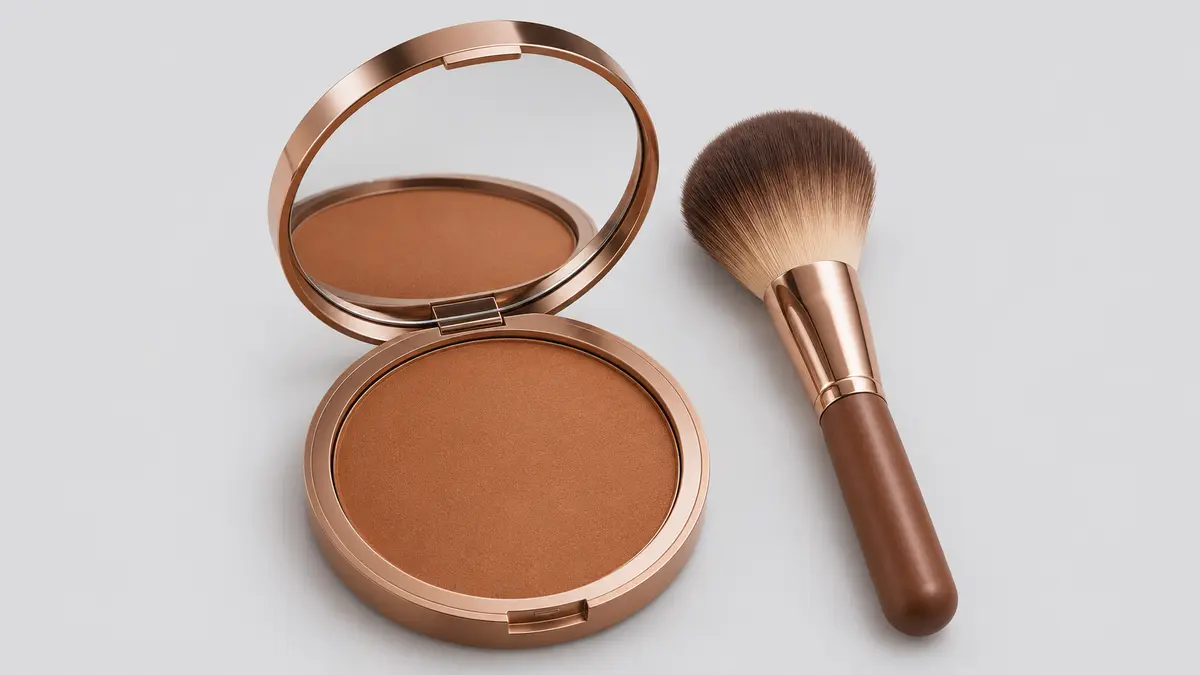
UK duty on makeup bronzers
Heading 3304 covers beauty, make-up and skin care preparations other than medicaments, including sunscreen and suntan preparations, plus manicure and pedicure preparations. This guide covers colour cosmetics used to create a bronzed appearance. Powder bronzers fall within 3304 91 00 00; cream and liquid make-up bronzers generally fall within 3304 99 00 00. The table shows formats sharing these tariff lines. See the powder blusher guide for the wider heading.
Read from the UK Trade Tariff on 16 December 2026, all supplied lines carry 0% duty for goods from China, with no recorded anti-dumping or countervailing duty and no listed suspensions. Import VAT is 20%. A mercury export control is attached throughout the heading; ask your customs broker to confirm its relevance if exporting.
The UK Trade Tariff attaches CITES import and export controls to 3304 99 00 00. Permits are required for species listed in the relevant CITES annexes. For ingredients derived from listed species, confirm the applicable permits with your customs broker and the Animal and Plant Health Agency before shipment from China. Confirm the formula, physical form, intended use and commodity code before ordering.
| Goods | Commodity code | Duty | Anti-dumping or countervailing duty on China |
|---|---|---|---|
| Pressed powder makeup bronzer | 3304 91 00 00 | 0% | None |
| Cream makeup bronzer | 3304 99 00 00 | 0% | None |
Specify bronzer undertone, finish and pack together
Specify pressed powder, loose powder, cream or liquid, then define shade depth, undertone, matte or shimmer finish, colour payoff and blendability. Approve swatches under agreed lighting against retained samples. For powders, compare brush pickup, dusting and the feel of shimmer particles. For creams and liquids, compare colour after dry-down, streaking and transfer using an agreed application method.
Approve the formula in its final compact, jar, stick or dispenser. Check pressed pan retention, compact closure and mirror protection; for loose powder, check the sifter and seal. For creams and liquids, request stability and packaging compatibility evidence covering separation, sweating, odour changes and leakage. Require written approval before ingredient or packaging substitutions.
Ask for the full quantitative formula for the safety assessor, with confidential disclosure agreed before ordering. Before making the bronzer available to consumers in Great Britain, have safety checked by a qualified assessor. Confirm the requirements for a Responsible Person with a UK established address, a product information file and notification before sale. Have ingredient restrictions reviewed and artwork checked before printing.
Worked duty example
Illustrative example, not a quote: Illustrative order: 200 pressed powder bronzer compacts under 3304 91 00 00, invoiced at £6,000 free on board, with £600 of freight and insurance to the UK. The customs value is £6,600. Duty at 0% is £0. Import VAT at 20% is charged on the customs value plus duty, £6,600, so it is £1,320. With no duty, the only import tax is the VAT, which a VAT-registered importer can usually reclaim. The import duty and VAT guide explains each step.
Inspection checklist
Shade and application: compare production samples with retained standards under agreed lighting; check undertone, shimmer distribution, brush pickup, blending and dried colour where relevant.
Product condition: inspect powders for cracks, loose pans, surface glazing and excessive dust; inspect creams and liquids for separation, sweating, graininess and changed odour.
Pack and fill: check fill quantity against the specification, compact hinges and closures, sifter seals, dispenser operation and leakage; inspect arrival cartons for powder escape or staining.
Artwork and traceability: compare ingredients, warnings, durability information, function and Responsible Person details with approved artwork; match shade names and batch identification to production records.
Working out your own order? Send us the product on WhatsApp and we reply the same working day: WhatsApp us
What goes wrong
A bronzer can match the reference in its pan but look orange, grey or too sparkly when blended. Approve application swatches rather than photographs alone. A pressing change can also alter brush pickup or leave a hard surface. Retain approved samples and compare production performance as well as colour.
A loose pan can break in transit, while a cream approved in a sample pot can leak from its selling pack. Check filled production packaging before dispatch and inspect it again on arrival. Resolve formula disclosure before ordering; an ingredient list alone does not replace the quantitative formula needed for assessment.
Cambridge China Bridge sources these products for UK businesses, checking the factory and the documents before shipment. See factory verification. For repeat volumes, see container programmes.
Frequently asked questions
What is the UK import duty on makeup bronzers from China?
0% under 3304 91 00 00 for powders and generally 3304 99 00 00 for cream or liquid make-up bronzers. No trade remedies or suspensions are recorded in the supplied data. Import VAT is 20%.
What safety documents do I need for imported bronzer?
Arrange a qualified cosmetic safety assessment. Confirm the Responsible Person, product information file and notification requirements before sale in Great Britain. Obtain the full quantitative formula for the assessor.
How do I stop bronzer shades changing between batches?
Retain approved samples for every shade. Compare application swatches under agreed lighting, including dried colour for creams and liquids. Link each shade to its formula and require approval before substitutions.
How should I inspect pressed bronzer on arrival?
Check for cracked powder, loose pans, powder escape and broken hinges. Compare brush pickup, dusting, blending and colour with retained samples, then match shade and batch details to the shipment records.
Sources
What most often fails: Cosmetics
UK OPSS + EU / EEA Safety Gate (alerts counted separately in each system) · China-origin alerts over the 24 calendar month coverage window(2024-12 – 2026-11) · 165
Combined counts are alerts from both systems, not unique products across markets. Each source uses its own publication window; the same product may appear in both. · OPSS: 2024-12 – 2026-11 · Safety Gate: 2024-12 – 2026-11
- Other / unclassified: 142
- Chemical: 18
- Burns: 2
Most-cited regulations
- Cosmetic Products Regulation: 153
- Regulation (EC) 1223/2009: 7
- Cosmetic Products Enforcement Regulations 2013: 5
Checks to ask the factory for
- Ask the factory to identify the applicable product safety requirements and supporting tests.
- Compare the final sample, labels and instructions with the agreed specification.
- Ask for batch traceability and documented review of any safety-related design changes.
Questions for due diligence, not a certification checklist or a guarantee of compliance. Select the applicable standards and tests with a competent laboratory.
The current calendar month is partial. These are published alerts, safety reports and recalls, not a measure of all products sold or a recall rate. Hong Kong is reported separately.
All recall dataContains public sector information licensed under the Open Government Licence v3.0 (OPSS, GOV.UK product safety alerts)
Source: European Commission, Safety Gate, English XML (en), extracted 2026-11-09. XML distribution: CC0. Cambridge China Bridge analysis.