Sourcing honing stones from China
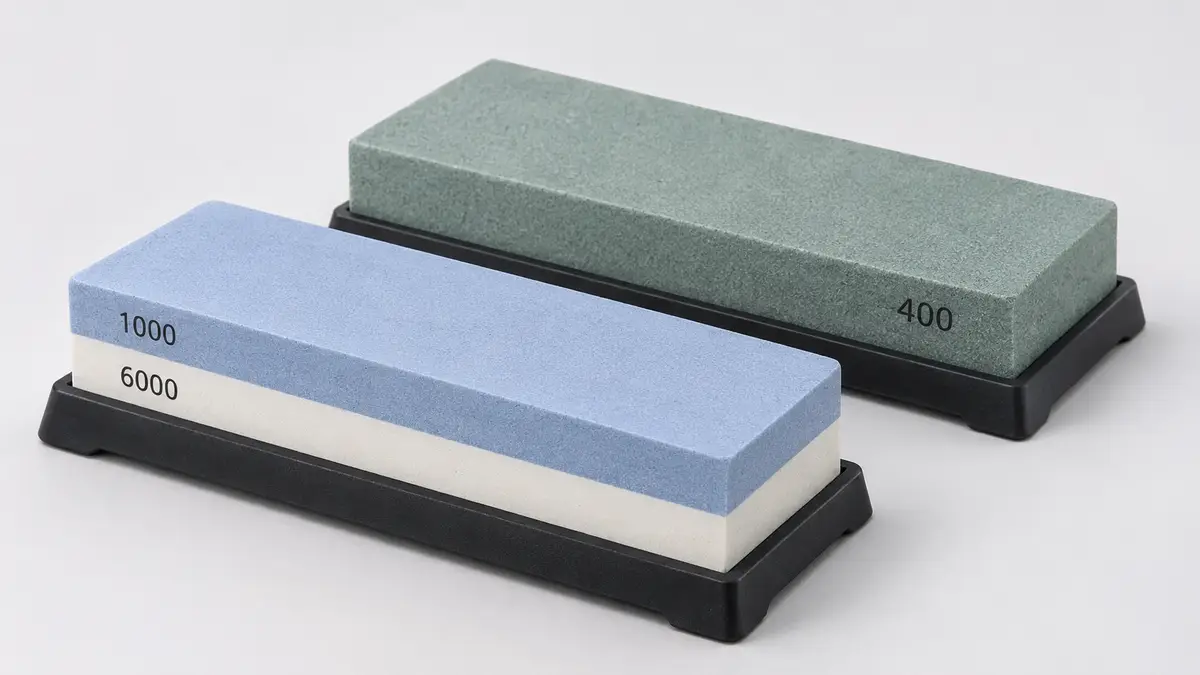
Honing stones from China carry 0% UK duty across the relevant lines of heading 6804, with no anti-dumping duty shown. Distinguish hand sharpening stones from machine honing stones by use and construction. Consumer stones must have demonstrated product safety compliance before sale. Cambridge China Bridge sources honing stones.
Buying from China for a business? How our UK China sourcing agent service works · China sourcing agent for small orders and first imports
Duty and classification for honing stones
Read from the UK Trade Tariff on 1 October 2026, heading 6804 covers hand sharpening and polishing stones and other grinding products made from natural stone, agglomerated abrasives or ceramics. For honing stones, establish whether the stone is hand used or machine mounted. The table gives candidate lines to check against the actual construction.
All listed candidate lines carry 0% duty for goods from China. The supplied tariff record shows no anti-dumping or countervailing duty and no suspensions. It attaches import and export waste controls. If a shipment is waste subject to notification controls, the Chinese exporter must apply to its competent authority for consent. Confirm the applicable waste requirements with your customs broker before shipment.
Give your broker the intended use, abrasive material, binder and drawings to confirm the commodity code. For the wider heading, see grinding and cutting wheels. Import VAT is normally 20%; see import duty and VAT.
| Goods | Commodity code | Duty | Anti-dumping or countervailing duty on China |
|---|---|---|---|
| Hand sharpening or polishing stones | 6804 30 00 00 | 0% | None |
| Machine honing stones with ceramic or silicate binder | 6804 22 30 00 | 0% | None |
| Non-reinforced resin-bonded machine honing stones | 6804 22 12 00 | 0% | None |
| Other agglomerated diamond machine honing stones | 6804 21 00 90 | 0% | None |
| Natural-stone machine honing stones | 6804 23 00 00 | 0% | None |
Specify the stone and the honing process
Specify hand sharpening or machine honing, the workpiece material, abrasive composition, grit grading method, binder and intended lubricant. For bench stones, agree flatness, working-face dimensions, edge finish and base grip. For machine stones, include holder fit, mounting method and the target bore finish.
Approve a sample using the intended workpiece and lubricant. Record cutting behaviour, surface finish, loading and wear so the production batch can be compared fairly. For consumer products, demonstrate compliance with product safety regulations before sale; arrange a review through testing and certification.
Worked duty example
Illustrative example, not a quote: Illustrative order of 5,000 hand sharpening stones under 6804 30 00 00, invoiced at £2,500 free on board, with £150 of freight and insurance to the UK. The customs value is £2,650. Duty at 0% is £0. Import VAT at 20% is charged on the customs value plus duty, £2,650, so it is £530. With no duty, the only import tax is the VAT, which a VAT-registered importer can usually reclaim. The import duty and VAT guide explains each step.
Inspection checklist
Dimensions: check flatness, working faces, chipped edges and machine-holder fit against the approved drawing.
Abrasive: check material and grit documentation against the sample; compare cutting action and scratch pattern.
Performance: check loading, shedding and wear using the agreed workpiece and lubricant.
Packing: check protective separation, intact stones, grade labels and batch identification on arrival.
Working out your own order? Send us the product on WhatsApp and we reply the same working day: WhatsApp us
What goes wrong
A stone described only as fine or coarse can produce a different scratch pattern from the approved sample. A changed binder can alter cutting action and wear. Uneven bench stones, chipped corners and poorly fitting machine stones can spoil the finish or prevent correct mounting.
Keep the approved sample and a written trial method. Inspect arrival damage before distributing stock, and investigate differences in finish or wear before accepting a replacement grade.
Cambridge China Bridge sources these products for UK businesses, checking the factory and the documents before shipment. See factory verification. For repeat volumes, see container programmes.
Frequently asked questions
What is the UK import duty on honing stones from China?
The relevant lines in heading 6804 carry 0% duty in the supplied tariff record. No anti-dumping or countervailing duty is shown. Import VAT is normally 20%.
Are all honing stones classified as hand sharpening stones?
No. The tariff has a separate hand sharpening or polishing stone line. For machine stones, check the abrasive and binder as well as the intended use before choosing a code.
What should I specify beyond the grit grade?
Specify the grading method, abrasive, binder, dimensions, flatness, lubricant and workpiece material. For machine stones, also agree holder fit and the required surface finish.
How do I compare a shipment with the approved sample?
Use the same workpiece, lubricant and trial method. Compare cutting action, scratch pattern, loading and wear, then check dimensions and transport damage.