Sourcing Hemp Rope from China
True hemp rope from China pays 8% UK duty; the fibre comparison lines range from 6% to 8%. Confirm the actual fibre rather than relying on the name hemp. Consumer rope sold in Great Britain must be safe in normal or reasonably foreseeable use. Cambridge China Bridge sources hemp rope.
Buying from China for a business? How our UK China sourcing agent service works · China sourcing agent for small orders and first imports
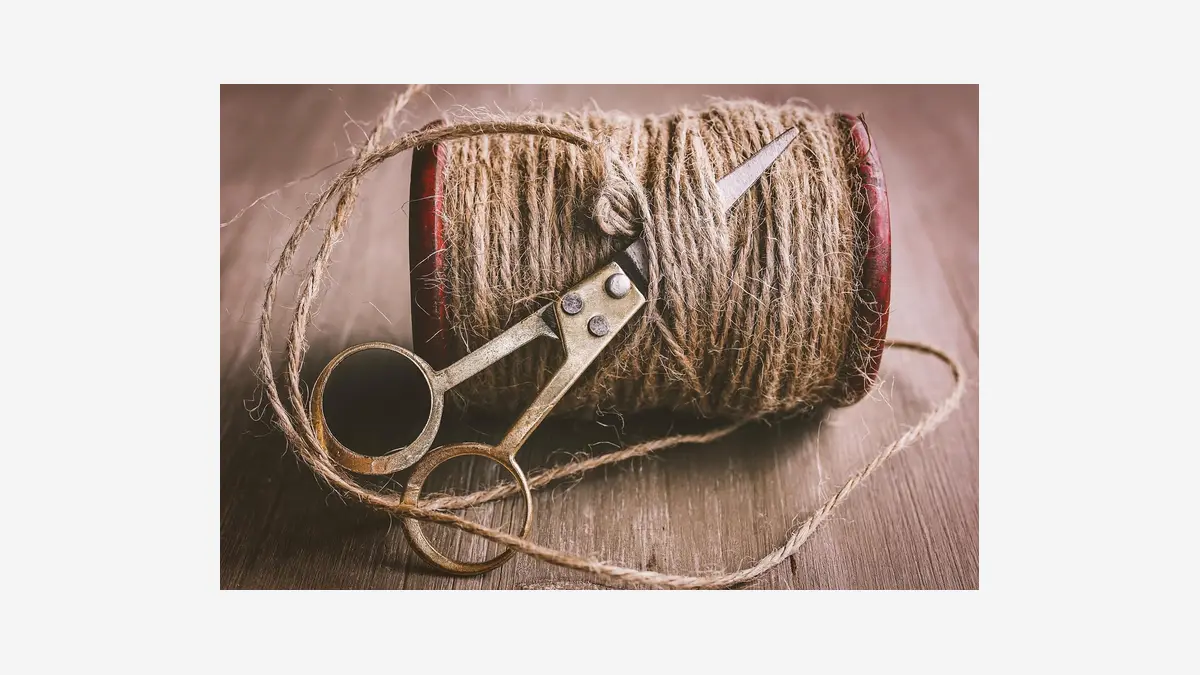
True hemp rope: 8% UK duty
Read from the UK Trade Tariff on 2 October 2026, true hemp rope and twine under 5607 90 90 10 carried 8% duty for goods from China. Heading 5607 covers twine, cordage, ropes and cables, whether plaited or braided and whether impregnated, coated, covered or sheathed with rubber or plastics.
The supplied tariff record lists no anti-dumping or countervailing duty, suspension or attached import control for the true-hemp line. The table includes fibre comparisons: Manila hemp is abaca, listed at 6%; jute and the listed other bast fibres also carry 6%; flax or ramie carry 8%. These comparison rows are not true hemp.
Ask the factory for the fibre composition, construction, coating details and photographs of any fittings before confirming the commodity code. Made-up rope articles can fall outside this heading. See the wider rope and twine guide for other materials and constructions.
| Goods | Commodity code | Duty | Anti-dumping or countervailing duty on China |
|---|---|---|---|
| True hemp rope and twine | 5607 90 90 10 | 8% | None |
| Fibre comparison: abaca rope, also called Manila hemp | 5607 90 20 10 | 6% | None |
| Fibre comparison: jute and other listed bast-fibre rope | 5607 90 20 20 | 6% | None |
| Fibre comparison: flax or ramie rope | 5607 90 90 20 | 8% | None |
Specify the fibre, twist and intended use
Write true hemp into the purchase specification rather than accepting a description such as natural hemp rope. Agree the fibre composition, twisted or braided construction, diameter, coil length, mass per metre and minimum breaking force. State whether the rope is untreated, oiled, waxed or dyed, and retain an approved sample for comparison.
For craft, display or packaging orders, agree acceptable shedding, surface roughness, smell and colour transfer. Specify dry packing and end finishing that prevents unravelling. For consumer rope sold in Great Britain, the General Product Safety Regulations 2005 cover intended or reasonably foreseeable consumer use and require safe products.
Keep decorative uses separate from lifting or climbing claims in the specification. For rope slings sold for lifting, confirm declaration and working load limit marking requirements with HSE; for climbing and work-at-height ropes, confirm applicable personal protective equipment requirements with the relevant product safety authority. Arrange testing and certification around the intended use.
Worked duty example
Illustrative example, not a quote: Illustrative order: 12 tonnes of true hemp rope in coils under 5607 90 90 10, invoiced at £24,000 free on board, with £3,000 of freight and insurance to the UK. The customs value is £27,000. Duty at 8% is £2,160. Import VAT at 20% is charged on the customs value plus duty, £29,160, so it is £5,832. Import taxes total £7,992; a VAT-registered importer can usually reclaim the VAT, so the lasting cost is the £2,160 of duty. The import duty and VAT guide explains each step.
Inspection checklist
Fibre: compare the delivered rope with the approved sample and composition report; investigate changes in texture, colour or strand appearance.
Dimensions: measure coil length and diameter using the agreed method, and compare mass per metre with the specification.
Strength: obtain breaking-force results for the delivered batch; check loose strands, uneven twist and ends that unravel.
Condition: open coils to check for damp, mould, staining and strong treatment smells; test dyed rope for colour transfer when wet.
Working out your own order? Send us the product on WhatsApp and we reply the same working day: WhatsApp us
What goes wrong
A hemp description can hide a different fibre, so the order, invoice and delivered rope may disagree. Coils can be short, lighter per metre than the approved sample or unevenly twisted. A similar diameter does not establish the agreed breaking strength.
Check inside coils as well as the outer wrapping for damp and mould. Oily finishes or dyes can mark display surfaces and packaging. Hold affected stock apart while checking the batch, and agree replacement or reworking with the supplier against the written specification.
Cambridge China Bridge sources these products for UK businesses, checking the factory and the documents before shipment. See factory verification. For repeat volumes, see container programmes.
Frequently asked questions
What is the UK import duty on hemp rope from China?
True hemp rope under 5607 90 90 10 carries 8% duty in the supplied tariff record. No anti-dumping or countervailing duty, suspension or import control is listed for that line.
Is Manila hemp rope classified as true hemp?
No. The tariff lists Manila hemp as abaca under 5607 90 20 10, at 6%. True hemp rope is separately listed under 5607 90 90 10, at 8%.
What should I put in a hemp rope specification?
State fibre composition, construction, diameter, coil length, mass per metre, minimum breaking force and finish. Agree an approved sample and the intended use.
Can I sell decorative hemp rope for lifting?
Do not rely on a decorative-rope specification. For rope slings sold for lifting, confirm declaration and working load limit marking requirements with HSE. Confirm the intended-use requirements before ordering.