Sourcing aramid rope from China
Aramid rope from China carries 8% UK duty across the relevant synthetic-fibre lines checked. Confirm the code from composition, construction and linear density. Rope sold for lifting or fall protection needs the documentation required for that use. Cambridge China Bridge sources aramid rope.
Buying from China for a business? How our UK China sourcing agent service works · China sourcing agent for small orders and first imports
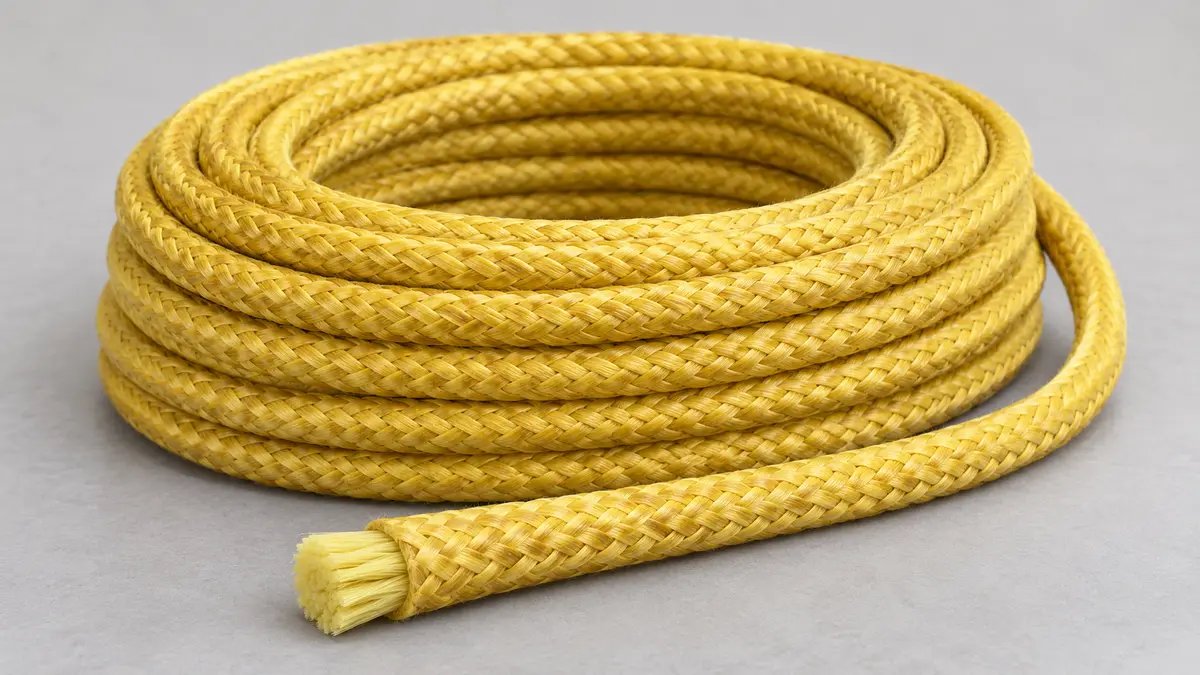
Aramid rope classification and duty
Read from the UK Trade Tariff on 2 October 2026, heading 5607 covers twine, cordage, ropes and cables, including braided constructions and goods coated or sheathed with rubber or plastics. The table selects polyamide rope and fine-twine lines for aramid constructions whose composition supports that classification. Give your broker the fibre breakdown, construction and measured linear density before using a listed code.
The selected lines carry 8% duty for goods from China, with no anti-dumping or countervailing duty, suspension or attached import control recorded in the supplied tariff facts. The surgical-twine suspension elsewhere in this heading does not cover aramid rope. These figures concern cordage, rather than every finished article made from it.
The polyamide lines distinguish rope above 5 g per metre from lighter cordage, and braided rope from other constructions. Confirm the commodity code, particularly for mixed-fibre cores, textile covers or fitted ends. Our rope, twine and cordage guide covers the wider heading.
| Goods | Commodity code | Duty | Anti-dumping or countervailing duty on China |
|---|---|---|---|
| Aramid polyamide rope over 5 g/m, plaited or braided | 5607 50 11 90 | 8% | None |
| Aramid polyamide rope over 5 g/m, not plaited or braided | 5607 50 19 90 | 8% | None |
| Aramid polyamide rope or cordage at 5 g/m or less | 5607 50 30 90 | 8% | None |
| Aramid polyamide twine at 5 g/m or less | 5607 50 30 10 | 8% | None |
Specify the aramid core and finished rope
Specify para-aramid or meta-aramid, the yarn grade, fibre composition of core and cover, braid or twist construction, diameter, linear density, coil length and minimum breaking force. State whether the rope is bare, coated or covered. Agree the test method and sample conditioning, and ask for yarn records linked to the finished production batch.
For heated equipment, define the exposure conditions and ask for breaking-force results after the agreed exposure. For repeated bending, specify the actual pulley arrangement and test the finished rope and termination together. A yarn datasheet alone does not establish the performance of a coated rope, splice or sewn eye. Arrange testing and certification around the intended use.
For Great Britain, rope slings sold for lifting need a marked working load limit; confirm any declaration requirements and whether climbing or work-at-height ropes fall within personal protective equipment requirements with HSE or the relevant product-safety authority. Check conformity documents and importer identification for protective equipment. Consumer rope should only be sold after applicable product-safety compliance has been demonstrated. Settle the intended use before approving labels or ordering production.
Worked duty example
Illustrative example, not a quote: 12 coils of braided aramid polyamide rope over 5 g/m; illustrative order under 5607 50 11 90, invoiced at £24,000 free on board, with £3,000 of freight and insurance to the UK. The customs value is £27,000. Duty at 8% is £2,160. Import VAT at 20% is charged on the customs value plus duty, £29,160, so it is £5,832. Import taxes total £7,992; a VAT-registered importer can usually reclaim the VAT, so the lasting cost is the £2,160 of duty. The import duty and VAT guide explains each step.
Inspection checklist
Material: compare core and cover with the approved sample and fibre records. Check that any named yarn grade matches the batch documentation.
Dimensions: measure coil length and diameter under the agreed reference tension. Weigh a measured length to check linear density, including any coating or cover.
Strength: sample across the batch for breaking-force tests. Test supplied splices, eyes and fittings separately from straight rope, and record the failure location.
Finish and identification: check fraying, uneven braiding, coating gaps, cover movement and damaged ends. Match coil labels to test reports; for lifting products, check the declared working load limit and declaration.
Working out your own order? Send us the product on WhatsApp and we reply the same working day: WhatsApp us
What goes wrong
A yellow rope can be mistaken for the specified aramid grade without fibre evidence. A substitute core, heavier coating or altered cover can change performance while leaving the outside appearance similar. Short coils, uneven construction, cover slippage and weak terminations are useful rejection checks.
A report for yarn or an earlier sample may be presented as evidence for the shipment. Require the report to identify the finished construction and batch. Do not approve lifting or fall-protection claims from a straight-rope breaking result alone; check the documents and tests for the intended product and use.
Cambridge China Bridge sources these products for UK businesses, checking the factory and the documents before shipment. See factory verification. For repeat volumes, see container programmes.
Frequently asked questions
What is the UK import duty on aramid rope from China?
The selected synthetic-fibre lines carry 8% duty in the supplied tariff facts, with no anti-dumping or countervailing duty. Confirm the code for the actual fibre composition and construction.
Which commodity code should I use for aramid rope?
For constructions confirmed as polyamide rope, the listed codes depend on linear density and braiding. Give your broker the core and cover composition, measured weight per metre and details of fitted ends.
What should an aramid rope test report show?
The finished rope construction, fibre grade, batch identification, test method, conditioning and breaking force. Ask for separate results for supplied terminations and any agreed heat or bending exposure.
Can I sell imported aramid rope for lifting or climbing?
Specify that use before ordering. Lifting slings need a marked working load limit; confirm any declaration requirements and whether climbing or work-at-height ropes fall within personal protective equipment requirements with HSE or the relevant product-safety authority. A yarn datasheet is insufficient.