Sourcing Sisal Rope from China
Sisal rope from China carries a single UK duty rate of 12%, with no listed trade remedy or suspension. Rope intended for, or likely to be used by, consumers in Great Britain must be safe in normal or reasonably foreseeable use. Specify fibre, construction and breaking force before ordering. Cambridge China Bridge sources sisal rope.
Buying from China for a business? How our UK China sourcing agent service works · China sourcing agent for small orders and first imports
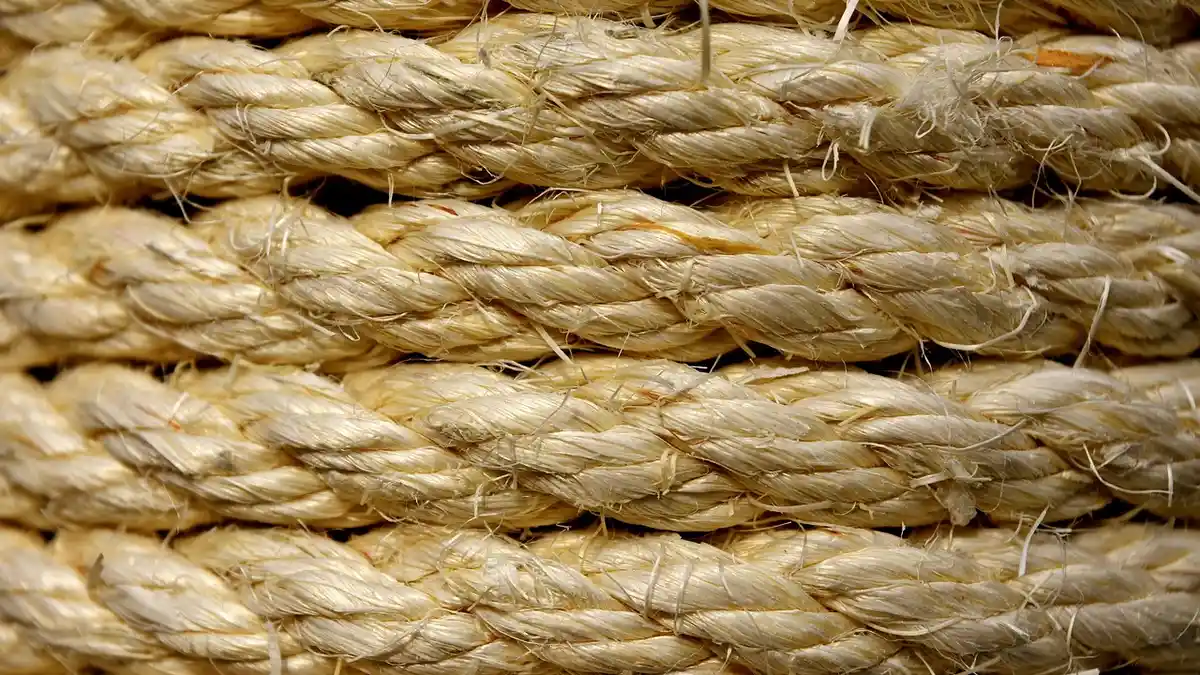
Sisal rope carries 12% duty
Read from the UK Trade Tariff on 2 October 2026, heading 5607 covers twine, cordage, ropes and cables, including plaited or braided goods and goods coated or sheathed with rubber or plastics. Sisal rope other than binder or baler twine falls under 5607 29 00 00. Twisted and braided rope share this code, so the table shows both constructions.
The supplied tariff data gives sisal rope from China a 12% duty rate, with no anti-dumping or countervailing duty, suspension or attached import control. The separate sisal binder and baler twine lines also carry 12%. For that branch of the heading, see sisal baler twine.
Confirm the fibre composition, construction and whether the goods are loose rope or a made-up article before choosing the commodity code. Rope made up into an article, such as a tow rope with fittings, falls outside this rope line. Use the import duty and VAT guide when budgeting the shipment.
| Goods | Commodity code | Duty | Anti-dumping or countervailing duty on China |
|---|---|---|---|
| Twisted sisal rope | 5607 29 00 00 | 12% | None |
| Sisal binder or baler twine for agricultural machinery | 5607 21 00 10 | 12% | None |
| Other sisal binder or baler twine | 5607 21 00 90 | 12% | None |
Specify sisal fibre, lay and breaking force
Describe the intended use, such as packaging, decorative work or craft supply. Specify sisal fibre composition, twisted or braided construction, diameter, lay, coil length, net rope weight and minimum breaking force. Record any coating, oil treatment or dye. Keep an approved sample showing the agreed colour, surface hairiness and stiffness.
Agree how diameter, length, weight and breaking force will be measured, and how batches will be sampled. ISO 2307 provides methods for measuring rope linear density, lay length and breaking force. Ask for reports identifying the supplied construction and production batch, rather than accepting a report for an unspecified natural fibre rope.
For rope intended for, or likely to be used by, consumers in Great Britain, general product safety rules require safety in normal or reasonably foreseeable use. Review foreseeable handling and misuse alongside the intended use. Discuss lifting or climbing applications with the testing and certification service before agreeing the product specification.
Worked duty example
Illustrative example, not a quote: Illustrative order: 12 tonnes of twisted sisal rope in bulk coils; FOB and freight values are illustrative. under 5607 29 00 00, invoiced at £24,000 free on board, with £3,000 of freight and insurance to the UK. The customs value is £27,000. Duty at 12% is £3,240. Import VAT at 20% is charged on the customs value plus duty, £30,240, so it is £6,048. Import taxes total £9,288; a VAT-registered importer can usually reclaim the VAT, so the lasting cost is the £3,240 of duty. The import duty and VAT guide explains each step.
Inspection checklist
Fibre and finish: compare the delivered rope with the approved sample and composition declaration. Check colour, hairiness, stiffness, odour and any declared treatment.
Coil quantity: measure sampled coil lengths and net rope weight. Check diameter and mass per length using the agreed method; a full-looking coil can still contain less rope.
Construction and strength: inspect lay consistency, loose strands, joins and damaged fibres. Match batch breaking-force results to the ordered rope and agreed minimum.
Condition and identification: open packaging to check for dampness, mould and staining. Match coil labels, batch references and carton contents to the purchase order. Use an agreed inspection checklist.
Working out your own order? Send us the product on WhatsApp and we reply the same working day: WhatsApp us
What goes wrong
A supplier can match the apparent diameter while delivering lighter rope with less fibre per length. Short coils, uneven lay, hidden joins and excessive loose fibres can also undermine the agreed specification. Check quantity and breaking force together instead of accepting diameter or gross carton weight as evidence.
Damp packaging, musty odour and mould can make rope unsuitable for resale. Dye or treatment can also change appearance and handling compared with the approved sample. Record discrepancies before distributing the batch, retain samples and ask the factory to identify the cause before accepting replacement stock.
Cambridge China Bridge sources these products for UK businesses, checking the factory and the documents before shipment. See factory verification. For repeat volumes, see container programmes.
Frequently asked questions
What is the UK import duty on sisal rope from China?
The supplied tariff data gives sisal rope under 5607 29 00 00 a 12% duty rate, with no listed anti-dumping or countervailing duty, suspension or attached import control.
Is sisal rope classified as baler twine?
Sisal rope other than binder or baler twine uses 5607 29 00 00. Binder or baler twine has separate lines. Confirm the product description and intended use before declaring the code.
What should I put in a sisal rope specification?
Specify fibre composition, construction, diameter, coil length, net rope weight, minimum breaking force and any treatment. Agree measurement methods and retain an approved sample.
What safety rule applies to sisal rope sold to consumers?
In Great Britain, rope intended for or likely to be used by consumers must be safe in normal or reasonably foreseeable use. Consider the actual application when assessing the product.