Sourcing hard cool boxes from China
Hard cool boxes confirmed under 3924 90 00 90 carry a single UK duty rate of 6% from China. Consumer products sold in Great Britain must be safe in normal and reasonably foreseeable use; confirm applicable food-contact requirements with the relevant authority. Cambridge China Bridge sources hard cool boxes.
Buying from China for a business? How our UK China sourcing agent service works · China sourcing agent for small orders and first imports
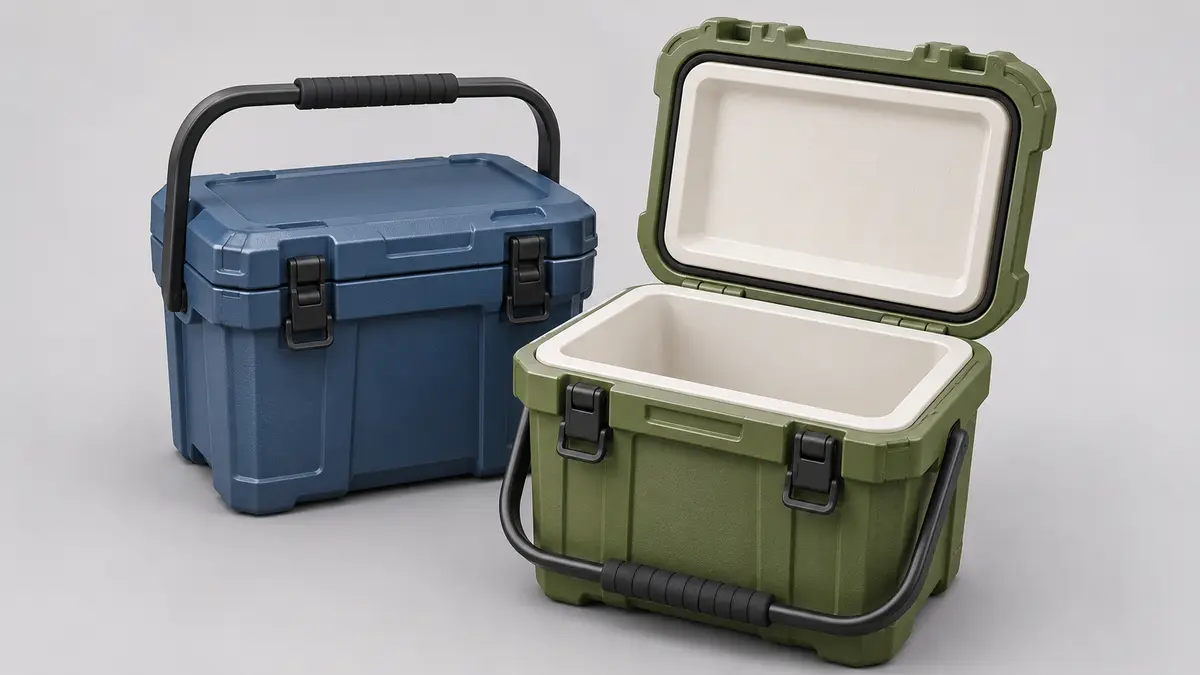
Duty and classification for hard cool boxes
Read from the UK Trade Tariff on 28 October 2026, heading 3924 covers plastic tableware, kitchenware, other household articles and hygienic or toilet articles. This guide concerns plastic hard cool boxes without powered cooling, proposed under 3924 90 00 90. The table shows variants sharing that candidate line. For the wider heading, see picnic cooler bags.
The supplied facts show 6% duty for goods from China under 3924 90 00 90, with no anti-dumping duty, countervailing duty, suspension or attached import control listed for that line. The ironing-board anti-dumping measure elsewhere in the heading belongs to a separate commodity line.
Give your broker photographs, shell and liner materials, insulation details and intended use to confirm the commodity code. If kitchenware classification is proposed, the supplied kitchenware lines carry declaration controls: confirm their application before shipment. For polyamide or melamine kitchenware potentially within the China control, ask the relevant authority or customs broker to confirm whether a consignment declaration and laboratory report are required. Ask the broker to check any such food-contact components.
| Goods | Commodity code | Duty | Anti-dumping or countervailing duty on China |
|---|---|---|---|
| Plastic hard cool boxes with carry handles, subject to classification | 3924 90 00 90 | 6% | None |
Specify insulation, seals and carrying loads
Specify shell and liner resin, insulation material and coverage, usable internal dimensions, empty weight, lid construction, gasket, hinges, latches and drain plug. Include wheel and axle construction where fitted. Agree an approved sample and require approval before material or component substitutions.
Define a cooling trial using an agreed starting temperature, contents, ice loading, ambient conditions, lid-opening pattern and end point. Record the complete method with the result. A claim about how long ice lasts is difficult to compare without those conditions. Agree carrying loads and trial the handles, wheels and latches with the box loaded.
Consumer products sold in Great Britain must be safe in normal and reasonably foreseeable use. Assess handle failure, sharp edges, lid pinch points and stability. Confirm applicable food-contact safety and suitability requirements with the relevant authority. State whether the liner and tray will contact unpackaged food, and request finished-product evidence matching the materials and intended conditions through testing and certification.
Worked duty example
Illustrative example, not a quote: Illustrative order: 600 compact hard cool boxes, assuming classification is confirmed under 3924 90 00 90, invoiced at £7,000 free on board, with £600 of freight and insurance to the UK. The customs value is £7,600. Duty at 6% is £456. Import VAT at 20% is charged on the customs value plus duty, £8,056, so it is £1,611.20. Import taxes total £2,067.20; a VAT-registered importer can usually reclaim the VAT, so the lasting cost is the £456 of duty. The import duty and VAT guide explains each step.
Inspection checklist
Body and insulation: compare dimensions, weight and construction with the approved sample; inspect corners, liner seams and accessible insulation for cracks, gaps or exposed foam.
Lid and drainage: check gasket seating, even lid closure, latch engagement and drain-plug fit. Trial meltwater containment and drainage using the agreed method.
Loaded handling: carry the agreed load, operate the lid and latches, and roll wheeled models over the agreed surface. Inspect handle roots, hinge fixings and axles afterwards.
Arrival and documents: unpack samples for distortion, scuffs, odour and loose fittings; match batch identification and material reports to the shipment. Plan sampling with the quality inspection guide.
Working out your own order? Send us the product on WhatsApp and we reply the same working day: WhatsApp us
What goes wrong
Uneven insulation and poorly seated gaskets can undermine cooling performance even when the shell looks sound. Warped lids may close at the latch while leaving gaps elsewhere. Drain plugs can leak or detach, and handles that feel secure on an empty sample may distort under load.
Check whether the cooling report used the supplied design and realistic opening conditions. Reports for a different liner, colour or tray leave uncertainty about the delivered product. Keep the approved sample, material specification, test method and shipment records linked, and review changes before dispatch.
Cambridge China Bridge sources these products for UK businesses, checking the factory and the documents before shipment. See factory verification. For repeat volumes, see container programmes.
Frequently asked questions
What is the UK import duty on hard cool boxes from China?
For boxes confirmed under 3924 90 00 90, the supplied facts show 6% duty, with no trade remedy, suspension or attached import control listed. Confirm the code for the actual construction.
Can a hard cool box hold unpackaged food?
Specify direct food contact and request evidence matching the supplied liner, tray and intended conditions.
How do I compare ice-retention claims?
Use the same starting temperature, contents, ice loading, ambient conditions, lid-opening pattern and end point. Ask for the method and results for the supplied design.
What should I test on a hard cool box sample?
Check lid fit, gasket seating, drain leakage, loaded handles, hinges and latches. For wheeled models, trial the wheels and axle under load. Repeat the agreed cooling trial.