Sourcing vacuum storage bags from China
For household vacuum storage bags confirmed under 3924 90 00 90, the UK duty range is a single rate of 6%. Consumer products must be safe in normal or reasonably foreseeable use in Great Britain. Specify the film, closure and air-retention test before ordering. Cambridge China Bridge sources vacuum storage bags.
Buying from China for a business? How our UK China sourcing agent service works · China sourcing agent for small orders and first imports
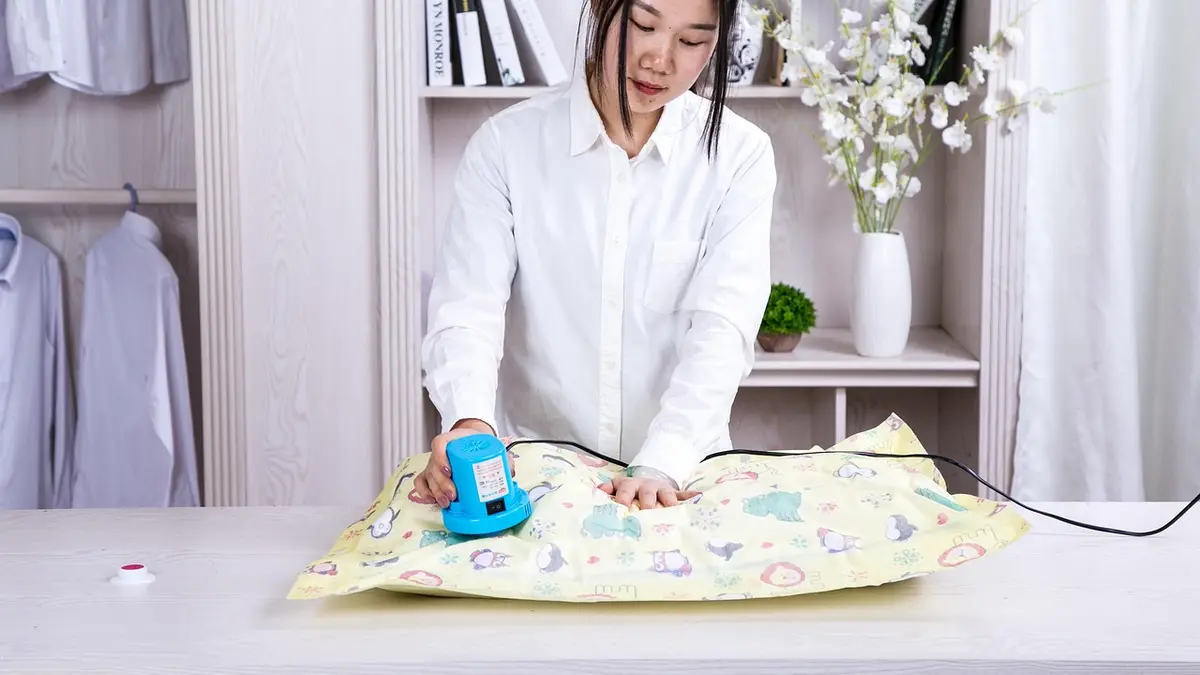
Duty and classification for household storage bags
Read from the UK Trade Tariff on 28 October 2026, heading 3924 covers plastic tableware, kitchenware, other household articles and hygienic or toilet articles. This guide covers vacuum bags for storing clothing and bedding, proposed for 3924 90 00 90. The table shows product variants sharing this proposed code. For wider heading context, see the garment storage covers guide.
The supplied facts show 6% duty for goods from China under this line, with no anti-dumping duty, countervailing duty, suspension or import control listed. These findings concern the proposed household-articles line and depend on classification of the actual bag.
Give your customs broker the film composition, construction, closure, intended use and details of any bundled pump to confirm the commodity code. Describe reusable household storage separately from bags intended to package goods for sale or transport.
| Goods | Commodity code | Duty | Anti-dumping or countervailing duty on China |
|---|---|---|---|
| Flat valve vacuum storage bags for clothing, subject to classification | 3924 90 00 90 | 6% | None |
Specify the film, valve and air-retention test
Specify the film layers and materials, thickness tolerance, usable dimensions, gussets, closure profile, slider, valve and cap. For hanging bags, define the hanger arrangement and seal around it. Agree the vacuum-cleaner nozzle fit or hand-pump connection. Approve a physical sample and require approval before changes to the film, valve or sealing process.
Agree a repeatable air-retention test using representative clothing or bedding. Record the filling method, closure procedure, evacuation method, storage conditions, test duration and acceptable reinflation. Repeat after opening and resealing. For roll-up bags, check the air outlet and the effort needed to expel air. Tie compression claims to the agreed contents and method.
Assess suffocation risks from the bag and risks from detachable caps or sliders; agree suitable warnings and instructions. REACH restrictions can limit, ban or set conditions on substances. Ask a laboratory to screen the film, printing and fittings for applicable restrictions through testing and certification.
Worked duty example
Illustrative example, not a quote: Illustrative order: 2,000 flat valve vacuum storage bags for clothing, subject to classification under 3924 90 00 90, invoiced at £7,000 free on board, with £600 of freight and insurance to the UK. The customs value is £7,600. Duty at 6% is £456. Import VAT at 20% is charged on the customs value plus duty, £8,056, so it is £1,611.20. Import taxes total £2,067.20; a VAT-registered importer can usually reclaim the VAT, so the lasting cost is the £456 of duty. The import duty and VAT guide explains each step.
Inspection checklist
Film and welds: compare material records and dimensions with the approved specification; inspect folds, corners and valve welds for pinholes, thinning, delamination and splits.
Closure and valve: check closure engagement across the opening, slider retention, cap fit and nozzle compatibility; inspect the valve seal for distortion or trapped debris.
Air retention: load production samples with the agreed contents, evacuate and record reinflation over the agreed duration; repeat after resealing and handling the filled bag.
Instructions and packing: check filling, closing and evacuation diagrams, warnings, product references and batch identification; inspect for packing damage to valves and closures. Plan arrival checks with the quality inspection guide.
Working out your own order? Send us the product on WhatsApp and we reply the same working day: WhatsApp us
What goes wrong
A bag can compress immediately yet slowly refill through an incompletely closed seal, distorted valve or damaged weld. Testing only empty bags can miss strain around bulky contents. Fold damage and trapped fibres can also undermine the seal. Keep leaking samples with their batch references and compare them with unopened stock.
A compatible-looking valve may not seal against the buyer's nozzle, while hanging fittings can distort the surrounding film under load. Separate affected stock and investigate before sale. Importers remain responsible for product safety after the product is placed on the market, so keep complaints linked to batches and investigate recurring safety concerns.
Cambridge China Bridge sources these products for UK businesses, checking the factory and the documents before shipment. See factory verification. For repeat volumes, see container programmes.
Frequently asked questions
What is the UK import duty on vacuum storage bags from China?
The supplied facts show 6% under 3924 90 00 90, with no listed anti-dumping duty, countervailing duty, suspension or import control. Confirm classification for the actual household storage bag.
How do I check whether vacuum storage bags leak?
Fill production samples with agreed clothing or bedding, close and evacuate them using the agreed method, then record reinflation over the agreed duration. Repeat after opening, resealing and handling.
Will the bags fit my customers' vacuum cleaners?
Agree the valve opening, sealing surface and intended nozzle types. Test physical production samples with the intended equipment rather than relying on a universal-fit description.
What should the factory specify for reusable vacuum bags?
Specify film construction, thickness tolerance, usable dimensions, closure, valve and cap. Agree repeated opening and resealing trials, air-retention criteria, instructions and approval before material changes.