Sourcing frozen fish portions from China
The frozen fish portion lines selected here carry 6% to 14% UK duty from China, depending on species and presentation. Confirm plant approval, health documentation, pre-notification, border control post and any wild-caught fish documentation requirements with the relevant authority or customs broker before shipment. Cambridge China Bridge sources frozen fish portions.
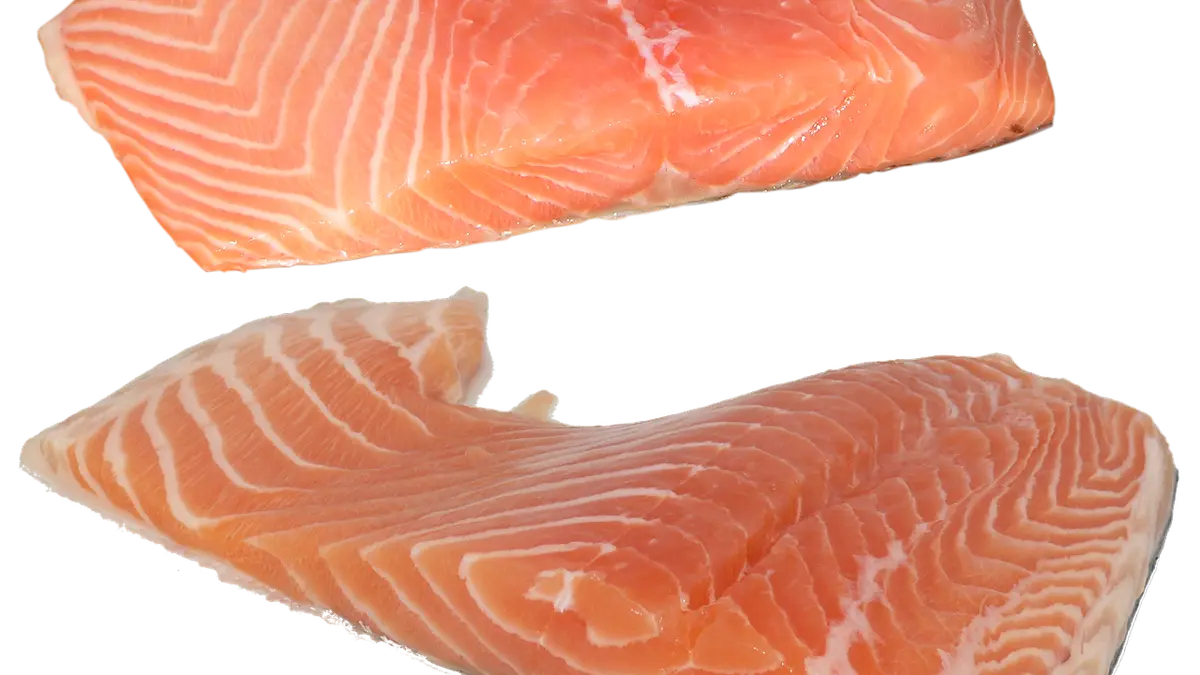
Duty depends on species and presentation
Read from the UK Trade Tariff on 30 September 2026, the selected frozen fillet lines carried 6% to 14% duty for goods from China, with no anti-dumping or countervailing duty and no suspension recorded. Heading 0304 covers fish fillets and other fish meat, whether or not minced, fresh, chilled or frozen. The table concerns plain frozen fillet portions; other portion formats need separate classification.
These lines carry veterinary, illegal fishing and organic import controls. For imports into Great Britain, check the approved plant, health certificate, advance notification and designated border control post. Ask the relevant authority or customs broker to confirm catch-certificate requirements for wild-caught fish and processing-statement requirements for fish processed in China from another country's catch, including any validation or endorsement needed. The tariff attaches organic import control: confirm the requirement with your customs broker before ordering goods described as organic. For UK cod sent to China, see our guide to exporting cod to China.
Confirm the commodity code using the scientific species name, fillet or other meat presentation, and intended processing. Do not classify from the word ‘portion’ alone. Our frozen fish fillets guide covers the wider product family. For fish cheek purchases, see our guide to sourcing frozen boneless fish cheeks.
| Goods | Commodity code | Duty | Anti-dumping or countervailing duty on China |
|---|---|---|---|
| Frozen Cape hake fillet portions | 0304 74 11 00 | 6% | None |
| Frozen Urophycis hake fillet portions | 0304 74 90 00 | 6% | None |
| Frozen Sebastes mentella fillet portions | 0304 89 29 10 | 6% | None |
| Other frozen flatfish fillet portions | 0304 83 90 90 | 14% | None |
Specify the portion after removing glaze
Specify species, skin-on or skinless, boneless or agreed bone tolerance, natural fillet cuts or formed portions, and individual portion weight after removing glaze. Agree thickness, shape, permitted broken pieces, freezing method, additives and pack arrangement. Keep a reference sample and a written weighing method so the factory and receiving warehouse assess the same product.
For catering use, cook samples using your intended method and compare shrinkage, texture and consistency between portions. Ask the supplier to identify the processing plant and link the proposed carton labels to the catch, processing and health documents before committing to production.
Worked duty example
Illustrative example, not a quote: Illustrative order: 2 tonnes of frozen Cape hake fillet portions under 0304 74 11 00, invoiced at £16,000 free on board, with £1,500 of freight and insurance to the UK. The customs value is £17,500. Duty at 6% is £1,050. Import VAT at 20% is charged on the customs value plus duty, £18,550, so it is £3,710. Import taxes total £4,760; a VAT-registered importer can usually reclaim the VAT, so the lasting cost is the £1,050 of duty. The import duty and VAT guide explains each step. This assumes the goods are standard-rated for VAT. Most food for human consumption is zero-rated, and animal feed can be too, in which case no import VAT is due, so check the rate for your product in HMRC's VAT Notice 701/14.
Inspection checklist
Weight and glaze: remove glaze from sampled portions and compare fish weight and portion consistency with the agreed specification. Confirm with the relevant authority how glaze should be treated in the labelled net weight.
Cut and condition: check thickness, skin, bones, broken edges, visible parasites and freezer burn against the reference sample. Cook samples to assess texture and water loss.
Cold chain: check core temperature on arrival is at or below −18 °C and review the transport temperature record for evidence of warming.
Labels and documents: match species, scientific name, production method, catch area and batch details across cartons and relevant certificates. Arrange quality inspection around the agreed sampling and weighing method.
Working out your own order? Send us the product on WhatsApp and we reply the same working day: WhatsApp us
What goes wrong
Portions can meet the packed weight while delivering too little fish because the glaze is heavier than agreed. Uneven cuts give inconsistent cooking, bones undermine a boneless specification, and thawing followed by refreezing can leave soft flesh and excess water loss. Record these defects against the agreed sample and specification.
Documents can describe a different species or batch from the cartons, or name a plant that is not approved. Check approval and certificate consistency before shipment, then retain arrival photographs, weighing records and temperature evidence for any supplier claim.
Cambridge China Bridge sources these products for UK businesses, checking the factory and the documents before shipment. See factory verification. For repeat volumes, see container programmes.
Frequently asked questions
What is the UK import duty on frozen fish portions from China?
The selected lines carry 6% to 14%: Cape hake, Urophycis hake and Sebastes mentella fillet portions carry 6%; the selected other flatfish fillet line carries 14%. No trade remedy or suspension is recorded for these lines.
Do frozen fish portions need a health certificate?
Confirm with the relevant authority or customs broker whether your consignment needs an approved plant, a health certificate, advance notification and entry through a designated border control post. Check the exact consignment requirements before shipment.
Does fish processed in China need a catch certificate?
Ask the relevant authority or customs broker to confirm whether wild-caught fish needs a catch certificate validated by the fishing vessel's flag state. If processed in China from another country's catch, also confirm whether a processing statement endorsed in China is needed.
How do I check the weight of frozen fish portions?
Agree a deglazing and weighing method, sample across cartons and weigh the fish after removing glaze. Compare individual portion weights and the total fish weight with the purchase specification.