Sourcing fresh bergamot from China
Fresh bergamot’s working tariff classification carries 12% UK duty from China, with no suspension or trade remedy shown. Fresh fruit sold to consumers must meet quality and labelling requirements. Confirm the species and plant health treatment before dispatch. Cambridge China Bridge sources fresh bergamot.
Buying from China for a business? How our UK China sourcing agent service works · China sourcing agent for small orders and first imports
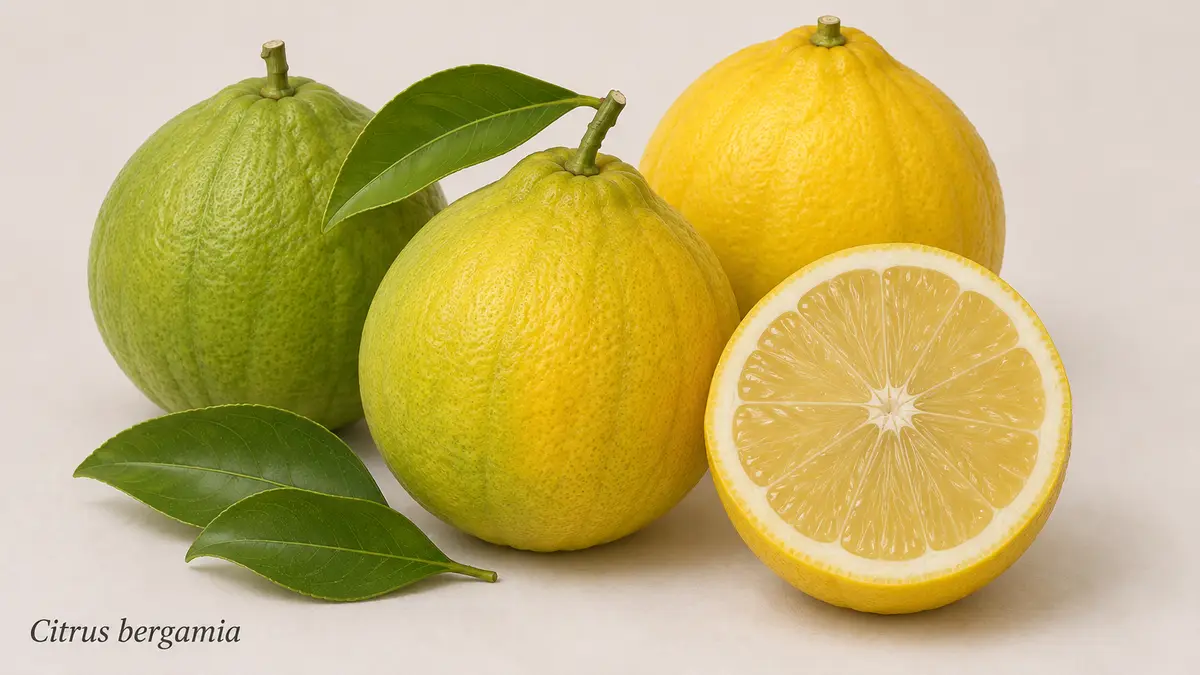
Fresh bergamot duty and classification
Read from the UK Trade Tariff on 7 October 2026, heading 0805 covers citrus fruit, fresh or dried. The supplied tariff extract does not name bergamot separately. Use 0805 90 00 90, the residual other-citrus line, as a working classification for fresh bergamot and confirm it before declaring the goods. The remaining table rows are classification comparisons, rather than alternative bergamot grades.
The working bergamot line carries 12% duty for goods from China. No tariff suspension, anti-dumping or countervailing duty is shown. The tariff attaches an organic import control. Organic consignments require a certificate of inspection, issued by the exporter’s control body in the exporting country. Confirm the applicable organic clearance arrangements with your customs broker before shipment.
Give your broker the botanical identity, photographs, origin and confirmation that the goods are whole fresh fruit. Check the commodity code before ordering. The wider citrus guide covers nearby fruit lines; their suspensions should not be assumed to cover bergamot.
| Goods | Commodity code | Duty | Anti-dumping or countervailing duty on China |
|---|---|---|---|
| Other citrus, including fresh bergamot: confirm classification | 0805 90 00 90 | 12% | None |
| Zara lemons (Citrus medica), for comparison | 0805 90 00 20 | 12% | None |
| Fresh lemons, for comparison | 0805 50 10 10 | 6% | None |
| Fresh limes, for comparison | 0805 50 90 10 | 12% | None |
Specify bergamot identity and peel use
Ask the grower or packer to identify the botanical species and cultivar, supported by fruit photographs and a representative sample. State whether you want peel for food preparation, juice or whole fruit for catering. Do not accept a translated product name alone as proof of identity.
Agree fruit size, maturity, skin colour, peel aroma, acceptable blemishes, net pack weight and protective packaging. Ask for the full list of waxes and post-harvest treatments. Where the peel will be eaten or processed into food, include it in the residue-testing brief; confirm the applicable pesticide residue limits with the relevant authority.
Fresh fruit marketed to consumers must meet quality and labelling requirements. Have the broker confirm the current plant health treatment for the exact species and presentation: importers must check whether phytosanitary certification is required.
Worked duty example
Illustrative example, not a quote: Illustrative order: 2 tonnes of fresh bergamot under 0805 90 00 90, invoiced at £4,500 free on board, with £2,500 of freight and insurance to the UK. The customs value is £7,000. Duty at 12% is £840. Import VAT at 20% is charged on the customs value plus duty, £7,840, so it is £1,568. Import taxes total £2,408; a VAT-registered importer can usually reclaim the VAT, so the lasting cost is the £840 of duty. The import duty and VAT guide explains each step. This assumes the goods are standard-rated for VAT. Most food for human consumption is zero-rated, and animal feed can be too, in which case no import VAT is due, so check the rate for your product in HMRC's VAT Notice 701/14.
Inspection checklist
Identity: compare fruit shape, peel aroma and cut-fruit appearance with the approved sample and the supplier’s botanical description.
Condition: inspect across cartons for mould, soft fruit, cuts, bruising, shrivelling and peel pitting; record defects against the agreed specification.
Transport: check the temperature record, packaging ventilation, crushed cartons and condensation. Agree transport settings with the packer for this fruit.
Documents: match the lot to the invoice, packing list and treatment records. Check residue results cover the intended peel use and verify organic inspection paperwork where applicable.
Working out your own order? Send us the product on WhatsApp and we reply the same working day: WhatsApp us
What goes wrong
A supplier’s bergamot description may conceal a different citrus fruit. A visually acceptable lot may also have weak peel aroma or treatments that do not suit the buyer’s intended food use. Approve identity and treatment information before packing, then compare arrival samples with the agreed specification.
Damaged fruit can spread mould through cartons, while poor temperature management causes dehydration or peel damage. Record arrival condition before distributing the lot and agree how rejected fruit will be handled. Use the quality inspection guide to prepare the inspection brief.
Cambridge China Bridge sources these products for UK businesses, checking the factory and the documents before shipment. See factory verification. For repeat volumes, see container programmes.
Frequently asked questions
What is the UK import duty on fresh bergamot from China?
The supplied tariff facts show 12% on the working residual citrus code 0805 90 00 90, with no suspension or trade remedy. Confirm that code for your exact fruit.
Do fresh bergamot imports need a phytosanitary certificate?
Have your broker confirm the current plant health category for the exact species and presentation. Official guidance requires importers to check whether phytosanitary certification is needed.
What paperwork is needed for organic bergamot?
Organic consignments need a certificate of inspection, issued by the exporter’s control body in the exporting country. Confirm the clearance arrangements before dispatch.
What should I check if I want to use bergamot peel?
Specify food use of the peel, approve its aroma and condition, obtain wax and post-harvest treatment details, and commission residue testing against the applicable limits.