Sourcing fresh mandarins from China
Fresh mandarins from China have a 16% base UK duty, currently suspended to 0%. The fresh satsuma, tangerine and clementine lines shown have the same treatment. Confirm the applicable citrus marketing standard and plant health requirements for imports into Great Britain with the relevant authorities. Cambridge China Bridge sources fresh mandarins.
Buying from China for a business? How our UK China sourcing agent service works · China sourcing agent for small orders and first imports
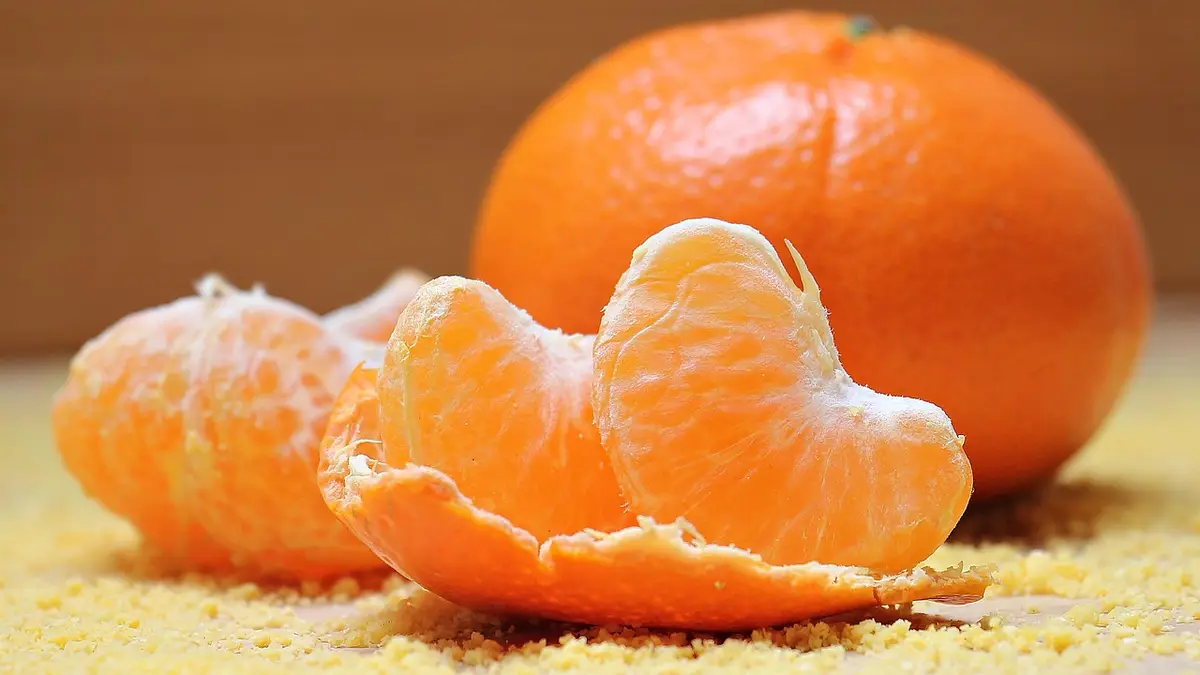
Fresh mandarin duty and import controls
Read from the UK Trade Tariff on 24 November 2026, the fresh mandarin, satsuma, tangerine and clementine lines shown carry a 16% base duty for goods from China, with an autonomous suspension to 0%. The published suspension runs until 31 December 2028. No anti-dumping or countervailing duty is listed for these lines. The suspension excludes mixtures, preparations and products made up of different components containing these goods.
The tariff attaches HMI conformity and Certificate of Conformity controls. Confirm with HMI whether the fresh mandarins must meet the citrus specific marketing standard; goods subject to specific marketing standards need a certificate of conformity before entering Great Britain. Organic imports from China also need a Great Britain certificate of inspection for each consignment. The tariff additionally attaches a Unit price control to the fresh mandarin, satsuma and tangerine lines; ask your customs broker to confirm its declaration requirements.
Heading 0805 covers fresh or dried citrus, but this guide concerns fresh mandarins and related easy peelers. Confirm the variety and presentation through finding your commodity code. Do not assume that a citrus hybrid receives the same suspension. See the wider citrus and pomelo guide for the other fruit families.
| Goods | Commodity code | Duty | Anti-dumping or countervailing duty on China |
|---|---|---|---|
| Fresh mandarins | 0805 21 90 11 | 16% | None |
| Fresh satsumas | 0805 21 10 10 | 16% | None |
| Fresh tangerines | 0805 21 90 91 | 16% | None |
| Fresh clementines, other than Monreales | 0805 22 00 20 | 16% | None |
| Fresh Monreales clementines | 0805 22 00 11 | 16% | None |
Specify the variety, maturity and packing
Name the variety rather than ordering only by the description ‘easy peeler’. Agree fruit size, quality class, peel colour, seed expectations, sweetness and acidity, acceptable skin blemishes and carton contents. Ask the grower and packer to identify the orchard and packing lot. Agree refrigerated transport settings and ventilation with the packer, and request temperature records.
For China-to-Great Britain shipments, confirm phytosanitary certificate, pre-notification and plant health check requirements with the plant-health authority. Specify fruit without attached leaves. Ask HMI to confirm the applicable citrus marketing standard, including class, minimum size and maturity requirements. Ask for the post-harvest treatment record and arrange residue testing against applicable maximum residue levels.
Worked duty example
Illustrative example, not a quote: Illustrative order: 20 tonnes of fresh mandarins under 0805 21 90 11, invoiced at £18,000 free on board, with £4,500 of freight and insurance to the UK. The customs value is £22,500. Duty at 16% is £3,600. Import VAT at 20% is charged on the customs value plus duty, £26,100, so it is £5,220. Import taxes total £8,820; a VAT-registered importer can usually reclaim the VAT, so the lasting cost is the £3,600 of duty. The import duty and VAT guide explains each step. This assumes the goods are standard-rated for VAT. Most food for human consumption is zero-rated, and animal feed can be too, in which case no import VAT is due, so check the rate for your product in HMRC's VAT Notice 701/14.
Inspection checklist
Variety and maturity: compare the lot with the agreed variety, size, peel colour and eating sample; cut fruit to check seeds, juiciness and flavour.
Condition: check for soft fruit, mould, split peel, bruising, shrivelling and pitting; inspect cartons throughout the load rather than only those near the doors.
Cold chain and packing: compare temperature records with the agreed settings; check wet cartons, crushed fruit, ventilation openings and carton contents.
Documents and labels: match the variety, origin, class and lot details with the packing list and certificates; confirm organic paperwork where relevant.
Working out your own order? Send us the product on WhatsApp and we reply the same working day: WhatsApp us
What goes wrong
A convincing packing sample can hide uneven maturity or a different variety in the shipment. Fruit that looks acceptable outside may be dry, acidic or unexpectedly seedy inside. Damaged fruit can spread mould, while unsuitable refrigerated transport settings can cause pitting or allow decay. Inspect at packing and again on arrival before dispatching to customers.
A variety described loosely as a mandarin may belong to an unsuspended hybrid line. Missing or mismatched plant health documents can hold the load at the port while fruit deteriorates. Keep the fruit description, lot records and certificates consistent. Confirm the VAT treatment of fresh fruit with HMRC or your customs broker; see UK import duty and VAT.
Cambridge China Bridge sources these products for UK businesses, checking the factory and the documents before shipment. See factory verification. For repeat volumes, see container programmes.
Frequently asked questions
What is the UK import duty on fresh mandarins from China?
The supplied tariff facts show a 16% base duty with an autonomous suspension to 0%.
Do fresh mandarins from China need a phytosanitary certificate?
Confirm with the plant-health authority whether China-origin citrus needs a phytosanitary certificate, pre-notification and plant health checks for import into Great Britain.
What paperwork do organic mandarins need?
Organic mandarins imported from China into Great Britain need a Great Britain certificate of inspection for each consignment. Confirm the organic import arrangements before shipment.
What should I inspect when fresh mandarins arrive?
Check variety, size, maturity, internal eating quality, mould, peel damage and pitting. Review temperature records and match carton labels and lot details with the shipment documents.
Sources
- UK Trade Tariff — commodity codes and duty
- Import plants and plant products from non-EU countries to Great Britain
- Fresh fruit and vegetable marketing standards
- Exporting fruit and vegetables from Africa to Great Britain: marketing standards
- Importing organic food, feed and seed to the UK
- Food products and VAT, Notice 701/14