Sourcing fresh sudachi from China
The supplied citrus comparison lines carry 12% to 16% UK duty from China. Fresh sudachi has no named line; the provisional other-citrus line carries 12%, subject to classification confirmation. Confirm phytosanitary certification, pre-notification and plant health check requirements with APHA before shipping. Cambridge China Bridge sources fresh sudachi.
Buying from China for a business? How our UK China sourcing agent service works · China sourcing agent for small orders and first imports
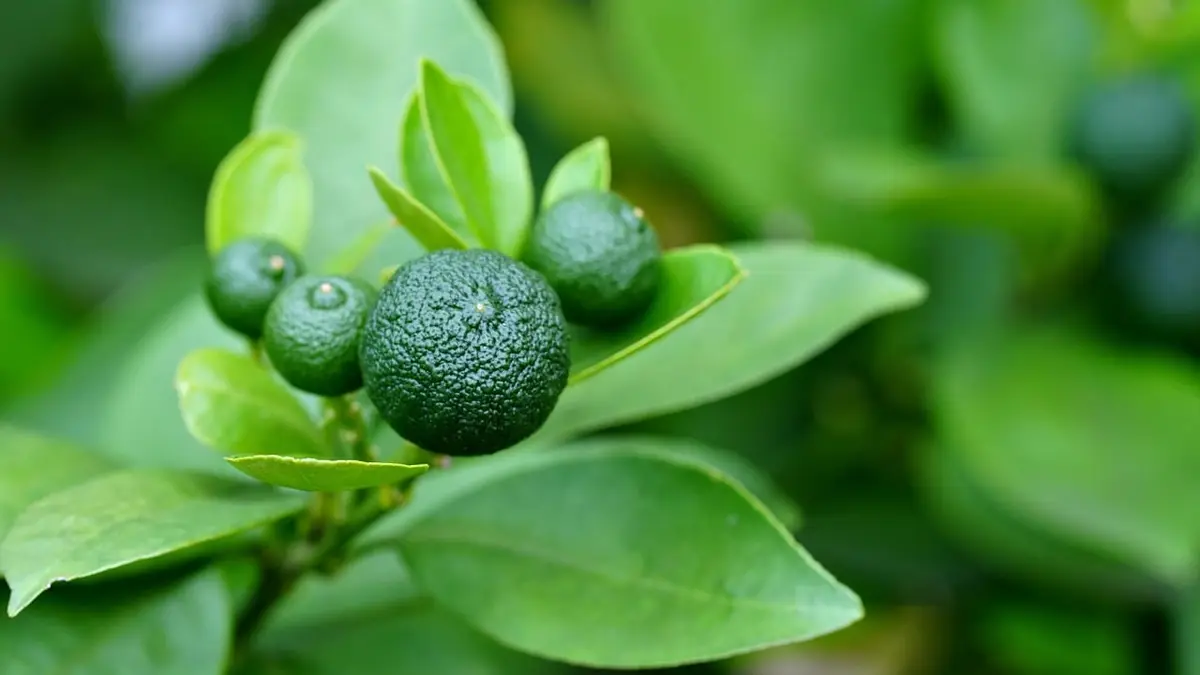
Fresh sudachi: confirm the citrus classification
Read from the UK Trade Tariff on 7 October 2026, heading 0805 covers citrus fruit, fresh or dried. The supplied data does not name sudachi. Other citrus under 0805 90 00 90 carries 12%; other fresh mandarin-type hybrids carry 16%. The table includes classification and product comparisons, rather than separate sudachi grades. None of these selected lines shows an anti-dumping or countervailing duty or a suspension.
The tariff attaches organic import control to these lines. Organic consignments from China need a Great Britain certificate of inspection, including samples. Confirm phytosanitary certification, pre-notification and plant health check requirements for the citrus with APHA. The hybrid comparison line attaches HMI conformity and Certificate of Conformity controls; the lime comparison line attaches a unit-price measure. Confirm their application with your customs broker if either line is proposed.
Give your broker the botanical identity, product photographs and confirmation that the goods are fresh whole fruit. Confirm the commodity code before ordering. Do not classify sudachi as lime just because both are green sour fruit. See the fresh yuzu guide for wider heading context. Confirm the applicable VAT treatment with HMRC or your customs broker, using the import duty and VAT guide when reviewing landed costs.
| Goods | Commodity code | Duty | Anti-dumping or countervailing duty on China |
|---|---|---|---|
| Other citrus fruit: provisional line for fresh sudachi | 0805 90 00 90 | 12% | None |
| Other fresh mandarin-type citrus hybrids: classification comparison | 0805 29 00 91 | 16% | None |
| Fresh limes: product comparison | 0805 50 90 10 | 12% | None |
| Zara lemons (Citrus medica): product comparison | 0805 90 00 20 | 12% | None |
Specify sudachi identity, peel and juice
Ask the grower and packing house to identify the variety and growing origin. Agree whether the fruit is for squeezing, zesting or serving as a garnish. Specify green peel appearance, size grading, firmness, juice yield, aroma and acceptable blemishes against an approved sample. Record any wax or post-harvest treatment, especially where customers will use the peel.
Agree packing that protects the rind from rubbing and crushing, together with cooling, ventilation and temperature recording throughout transport. Specify fruit without attached leaves. Fresh fruit must meet quality and labelling requirements; confirm the applicable marketing standard with APHA before approving labels. Test pesticide residues against the applicable UK limits before shipment.
Worked duty example
Illustrative example, not a quote: Illustrative trial consignment of fresh sudachi for a catering wholesaler; classification provisional under 0805 90 00 90, invoiced at £4,500 free on board, with £2,500 of freight and insurance to the UK. The customs value is £7,000. Duty at 12% is £840. Import VAT at 20% is charged on the customs value plus duty, £7,840, so it is £1,568. Import taxes total £2,408; a VAT-registered importer can usually reclaim the VAT, so the lasting cost is the £840 of duty. The import duty and VAT guide explains each step. This assumes the goods are standard-rated for VAT. Most food for human consumption is zero-rated, and animal feed can be too, in which case no import VAT is due, so check the rate for your product in HMRC's VAT Notice 701/14.
Inspection checklist
Identity: compare fruit, supplier variety records and cut samples with the approved sudachi sample; check for substituted limes or mixed citrus.
Condition: check peel colour, firmness, shrivelling, pitting, mould and bruising; cut samples to assess juice, aroma and internal deterioration.
Cold chain: review loading and transport temperature records, inspect wet or crushed cartons and compare arrival condition with packing photographs.
Documents: match the phytosanitary certificate and supplier records to the consignment; check treatment records and residue results. Arrange checks using the quality inspection guide.
Working out your own order? Send us the product on WhatsApp and we reply the same working day: WhatsApp us
What goes wrong
A sample can smell and squeeze differently from the shipped fruit when variety or maturity changes. Yellowing, dry fruit, rubbed peel and decay reduce usefulness for garnishes and zest. Temperature breaks and damaged cartons can turn a sound packing sample into an unsaleable arrival.
A generic citrus invoice leaves identity and classification unclear. Missing or mismatched phytosanitary paperwork can delay the consignment while fruit deteriorates. Agree acceptance checks and a process for isolating affected cartons before dispatch; photograph faults on arrival and keep them linked to the supplier's batch records.
Cambridge China Bridge sources these products for UK businesses, checking the factory and the documents before shipment. See factory verification. For repeat volumes, see container programmes.
Frequently asked questions
What is the UK import duty on fresh sudachi from China?
The provisional other-citrus line 0805 90 00 90 carries 12%, with no suspension or trade remedy shown. Sudachi is not named in the supplied data, so confirm classification; the other fresh mandarin-type hybrid line carries 16%.
Does fresh sudachi need a phytosanitary certificate?
Confirm with APHA whether your consignment needs a phytosanitary certificate, which authority should issue it, and what pre-notification and plant health checks apply.
Can I import organic sudachi samples without organic paperwork?
Organic consignments from China need a Great Britain certificate of inspection even when they are samples not intended for sale. Confirm the remaining organic import requirements with your control body.
What should I check when fresh sudachi arrives?
Check identity, green peel appearance, firmness, juice and aroma against the sample. Look for mould, pitting, shrivelling and crushed cartons, and review the transport temperature record before distributing the fruit.