Sourcing fresh lemons from China
Fresh lemons from China have a 6% base UK duty, suspended to 0%, giving a 0% to 6% range depending on relief. Confirm phytosanitary paperwork, advance notification, plant health checks and the applicable citrus marketing standard for imports into Great Britain with the relevant authorities. Cambridge China Bridge sources fresh lemons.
Buying from China for a business? How our UK China sourcing agent service works · China sourcing agent for small orders and first imports
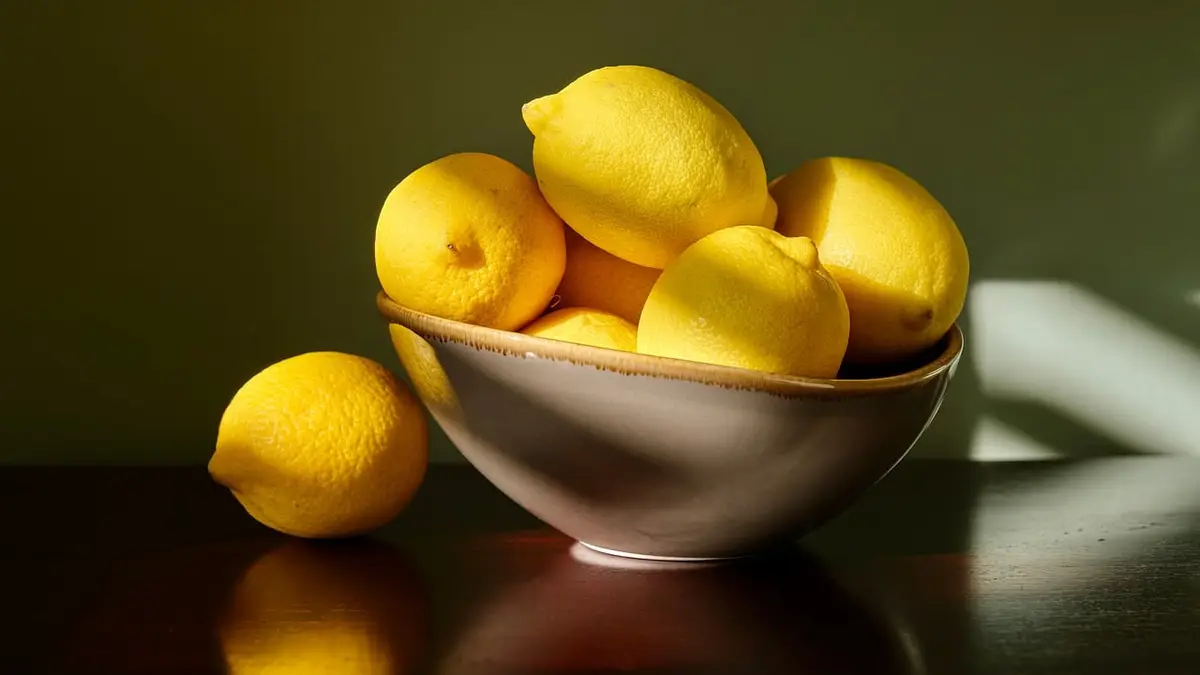
Fresh lemon duty and import controls
Read from the UK Trade Tariff on 24 November 2026, heading 0805 covers citrus fruit, fresh or dried. Fresh lemons fall under 0805 50 10 10: the China duty is 6%, with an autonomous suspension to 0%. The published citrus guide gives the suspension end as 31 December 2028. No anti-dumping or countervailing duty is recorded. The suspension excludes mixtures, preparations and products containing these goods as components.
The tariff attaches HMI conformity certification, Certificate of Conformity, unit-price and organic import controls. Confirm the applicable conformity documents and unit-price declaration with your customs broker. Ask the relevant plant health authority to confirm phytosanitary certification, pre-notification and plant health check requirements for citrus imports from China. For organic lemons, an approved UK organic control body must certify the food and business; confirm the consignment paperwork with your broker before shipping.
The table includes neighbouring lemon and lime lines solely for classification comparison. Identify the botanical product and whether it is fresh before confirming the commodity code. For the wider heading, see fresh oranges. Confirm with HMRC or your customs broker whether fresh fruit sold as food qualifies for VAT zero-rating; see UK import duty and VAT.
| Goods | Commodity code | Duty | Anti-dumping or countervailing duty on China |
|---|---|---|---|
| Fresh lemons | 0805 50 10 10 | 6% | None |
| Other lemons, for classification comparison | 0805 50 10 90 | 6% | None |
| Fresh limes, for classification comparison | 0805 50 90 10 | 12% | None |
| Zara lemons, for classification comparison | 0805 90 00 20 | 12% | None |
Specify the lemons and their intended use
Tell the grower and packer whether the lemons are for juice, catering slices or retail sale. Specify variety, origin, class, size grading, skin colour, firmness, juice yield, allowed blemishes and carton packing. Agree whether peel will be used in food, and request records of waxes and post-harvest treatments.
Confirm with the relevant authorities which citrus marketing standard applies to fresh lemons, including class, minimum size and maturity, and which UK pesticide residue limits apply. Agree the refrigerated transport settings and ventilation with the packer, request temperature records and specify fruit without attached leaves.
Worked duty example
Illustrative example, not a quote: Illustrative order: 20 tonnes of fresh lemons under 0805 50 10 10, invoiced at £18,000 free on board, with £4,500 of freight and insurance to the UK. The customs value is £22,500. Duty at 6% is £1,350. Import VAT at 20% is charged on the customs value plus duty, £23,850, so it is £4,770. Import taxes total £6,120; a VAT-registered importer can usually reclaim the VAT, so the lasting cost is the £1,350 of duty. The import duty and VAT guide explains each step. This assumes the goods are standard-rated for VAT. Most food for human consumption is zero-rated, and animal feed can be too, in which case no import VAT is due, so check the rate for your product in HMRC's VAT Notice 701/14.
Inspection checklist
Fruit: cut sample lemons to assess juice yield and internal condition; check size grading, firmness, peel damage and decay against the agreed specification.
Cold chain: check loading condition and temperature records, then inspect arrival samples for pitting, softening, mould and wet cartons.
Laboratory: arrange batch sampling for pesticide residues, including the declared post-harvest treatments, before shipment.
Documents: match the lot identity across cartons, packing list, phytosanitary certificate and test reports. Confirm conformity and any organic paperwork before dispatch.
Working out your own order? Send us the product on WhatsApp and we reply the same working day: WhatsApp us
What goes wrong
Lemons can look acceptable at packing but arrive with mould, peel pitting or softened fruit after poor temperature control. Mixed sizes, excessive blemishes and weak juice yield can also make a load unsuitable for its intended buyer. Check the agreed specification at packing and again on arrival.
A phytosanitary certificate that is missing or does not match the consignment can hold the shipment at the port. Residue failures and grading below the agreed class are further risks. Keep batch test records and photographs with the inspection report; see quality inspection explained.
Cambridge China Bridge sources these products for UK businesses, checking the factory and the documents before shipment. See factory verification. For repeat volumes, see container programmes.
Frequently asked questions
What is the UK import duty on fresh lemons from China?
Fresh lemons under 0805 50 10 10 have a 6% base duty, with a 0% autonomous suspension recorded on 24 November 2026. No anti-dumping or countervailing duty is recorded.
Do fresh lemons from China need a phytosanitary certificate?
Confirm with the relevant plant health authority whether citrus imports from China into Great Britain require a phytosanitary certificate, pre-notification and plant health checks, using the published citrus guidance as background.
Can I import organic lemons from China?
An approved UK organic control body must certify the food and business. The tariff attaches an organic import control; confirm the applicable consignment documents with your customs broker before shipping.
What should I check when fresh lemons arrive?
Check size, firmness, juice yield, peel pitting, mould and carton condition against the specification. Review temperature records and match the batch to its certificates and test reports.