Sourcing electric minibuses from China
Electric-only minibuses within heading 8702 pay 10% UK duty from China, with no listed anti-dumping or countervailing duty. Settle the vehicle approval route before ordering: proof of approval is needed to register and tax the vehicle. Cambridge China Bridge sources electric minibuses.
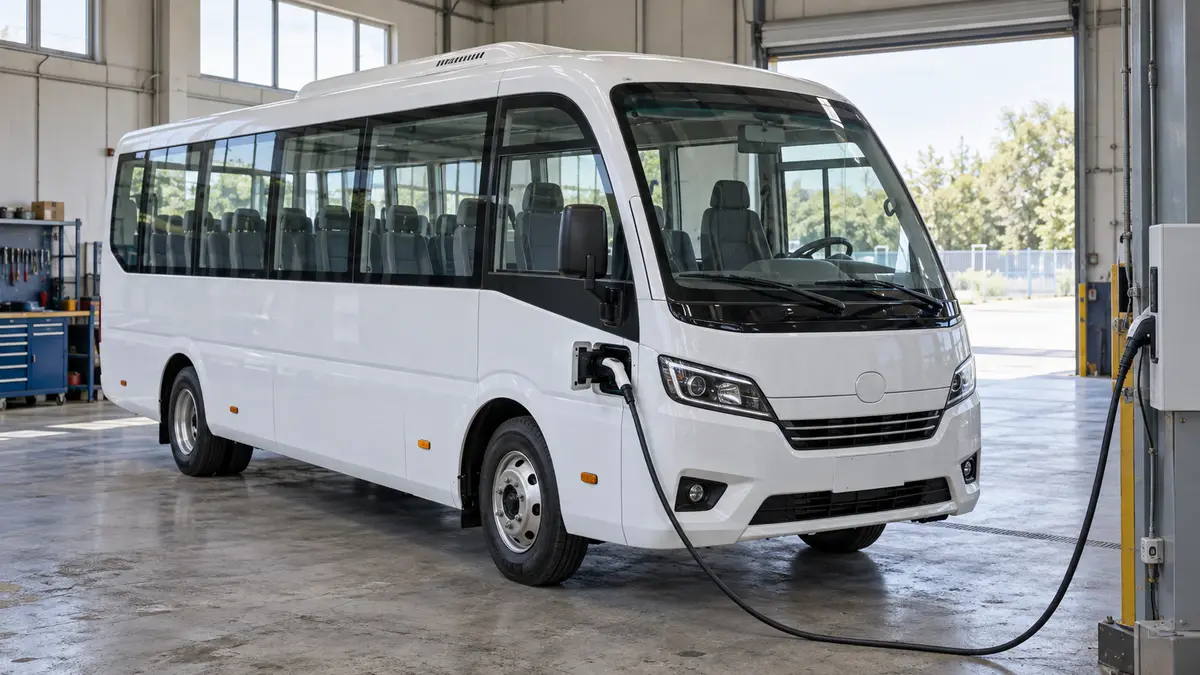
Electric-only minibus duty and import controls
Read from the UK Trade Tariff on 30 September 2026, heading 8702 covers motor vehicles carrying ten or more persons, including the driver. Electric-only minibuses fall under 8702 40 00 00, carrying 10% duty for goods from China. No anti-dumping duty, countervailing duty or suspension is listed for this line. The table shows buying configurations within the same tariff line, rather than separate commodity codes.
The tariff attaches fluorinated greenhouse gas import controls. Ask your customs broker to confirm whether the vehicle's air-conditioning falls within pre-charged equipment controls and the refrigerant-specific requirements for imports from China. Imported fluorinated gas equipment must be correctly labelled. The file also lists a cultural-object export licence measure; ask your broker to distinguish this from import requirements.
Confirm electric-only propulsion, total seating and the supplied vehicle configuration using the commodity-code guide. Hybrid vehicles have separate lines. For the wider heading and a diesel comparison, see diesel minibuses. Use the import duty and VAT guide when preparing your landed-cost calculation. For city bus comparisons, see our diesel city bus sourcing guide. For trolleybus comparisons, see our trolleybus sourcing guide. For sleeper coach comparisons, see our sleeper coach sourcing guide.
| Goods | Commodity code | Duty | Anti-dumping or countervailing duty on China |
|---|---|---|---|
| New minibuses with electric-only propulsion | 8702 40 00 00 | 10% | None |
Specify the seating, battery and depot charging
Specify passenger seating, luggage space, right-hand-drive configuration, passenger door position and any wheelchair ramp or lift. Request drawings showing seats, belts, door openings and emergency exits. Settle the applicable vehicle approval route before ordering, and obtain evidence covering the exact chassis, body and electric drivetrain being supplied. For airport operations, see our airport apron bus sourcing guide.
Agree usable battery capacity, the conditions behind any range claim, charging connector compatibility and depot charging arrangements. Ask for loaded range evidence with cabin heating operating, battery warranty exclusions, diagnostic access and replacement parts arrangements. For used vehicles, request battery health, repair and maintenance records. Include English operating and maintenance documents in the order.
Worked duty example
Illustrative example, not a quote: An electric minibus with wheelchair access; values are illustrative, not a quotation under 8702 40 00 00, invoiced at £100,000 free on board, with £2,500 of freight and insurance to the UK. The customs value is £102,500. Duty at 10% is £10,250. Import VAT at 20% is charged on the customs value plus duty, £112,750, so it is £22,550. Import taxes total £32,800; a VAT-registered importer can usually reclaim the VAT, so the lasting cost is the £10,250 of duty. The import duty and VAT guide explains each step.
Inspection checklist
Identity and documents: match the vehicle identification number, seating layout, battery specification and supplied approval evidence to the order.
Battery and charging: record diagnostic battery health information, inspect the battery enclosure for damage and demonstrate charging with the agreed compatible equipment.
Passenger compartment: operate doors, emergency exits, heating and any wheelchair ramp or lift; check seat and belt fittings against the approved drawings.
Arrival condition: compare bodywork, glazing, tyres, underbody, charging accessories and warning lights with the factory inspection record. Photograph damage and retain the handover results.
Working out your own order? Send us the product on WhatsApp and we reply the same working day: WhatsApp us
What goes wrong
A catalogue model can differ from the delivered vehicle in seating, body conversion or battery configuration. Those differences can undermine the approval evidence or make the minibus unsuitable for its intended service. Resolve discrepancies before shipment. Proof of approval is needed to register and tax an imported vehicle; a seriously damaged vehicle cannot be registered and taxed.
Range evidence without passenger load or cabin heating may not answer the buyer's operating needs. A charging connector that appears suitable may still fail to work with the depot equipment. Demonstrate the intended charging arrangement and review warranty exclusions before release. Use factory verification to check the supplier's production and document arrangements.
Cambridge China Bridge sources these products for UK businesses, checking the factory and the documents before shipment. See factory verification. For machinery and equipment, see machinery imports.
Frequently asked questions
What is the UK import duty on electric minibuses from China?
Electric-only minibuses under 8702 40 00 00 pay 10% duty. No anti-dumping duty, countervailing duty or suspension is listed for this line in the supplied tariff reading.
Do Chinese electric minibuses need UK vehicle approval?
Settle the applicable approval route before ordering. Proof of approval is needed to register and tax the imported vehicle. Check that the evidence covers the supplied chassis, body, seating and drivetrain.
What battery information should I request?
Request usable capacity, loaded range evidence, battery health information, warranty exclusions and repair history where relevant. Agree diagnostic access and replacement parts arrangements.
Will a Chinese electric minibus work with my depot charger?
Do not decide from a connector photograph. Agree the charging interface and equipment compatibility, then demonstrate charging with the intended depot equipment before shipment.