Sourcing electric lint removers from China
Domestic electric lint removers provisionally fall under 8509 80 00 00 at a flat 2% UK duty from China. Consumer products sold in Great Britain must be safe in normal or reasonably foreseeable use. Check blade guarding and the actual power configuration. Cambridge China Bridge sources electric lint removers.
Buying from China for a business? How our UK China sourcing agent service works · China sourcing agent for small orders and first imports
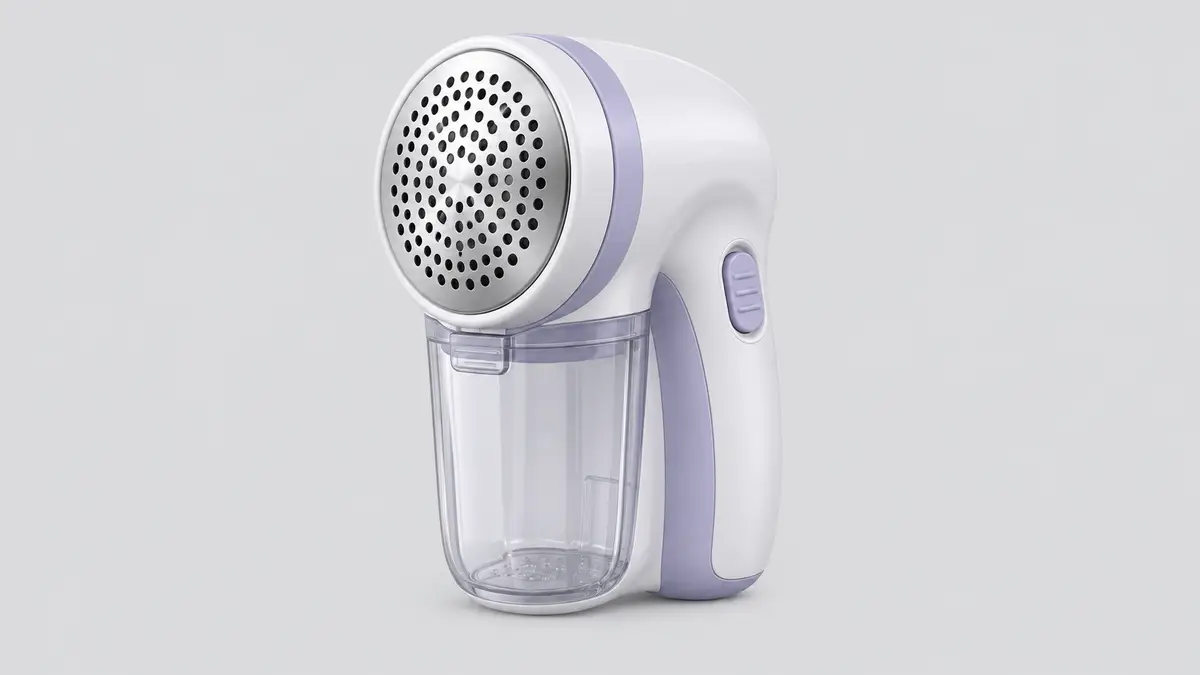
UK duty on electric lint removers
Heading 8509 covers domestic electromechanical appliances with a self-contained electric motor, excluding vacuum cleaners. Domestic electric lint removers are candidates for its other-appliances line. The table distinguishes purchasing configurations sharing a code, rather than separate tariff subdivisions. Confirm separately supplied parts individually; do not assume every replacement blade or charging accessory belongs in the parts line.
Read from the UK Trade Tariff on 9 December 2026, the other-appliances and parts lines carried 2% duty for goods from China. The supplied record lists no anti-dumping or countervailing duty or suspensions on these lines. The UK Trade Tariff attaches an import control of fluorinated greenhouse gases to the other-appliances line. The available official guidance does not establish a lint-remover-specific declaration requirement; confirm the requirement with your customs broker.
Confirm the commodity code using the cutting mechanism, power source and intended domestic use. For related garment-care sourcing, see steam irons. That guide provides wider appliance context; confirm the lint remover's own classification.
| Goods | Commodity code | Duty | Anti-dumping or countervailing duty on China |
|---|---|---|---|
| Domestic electric lint removers with replaceable batteries | 8509 80 00 00 | 2% | None |
| Electric lint remover parts, subject to classification | 8509 90 00 00 | 2% | None |
Specify the cutting head and power supply
Agree the foil material, hole pattern, blade assembly, fabric spacer, head fastening and lint-container fit. Specify which fabrics the remover is intended to treat. Approve a repeatable trial using representative pilled garments, an agreed handling method and acceptance criteria for lint removal, snagging, holes and surface appearance. Retain treated and untreated samples.
Specify replaceable or rechargeable batteries, charging connection, supplied cable and whether a mains adaptor is included. Match the motor, battery, charging circuit and adaptor to the assessed configuration. Consumer products must be safe in normal or reasonably foreseeable use. For mains equipment within the electrical safety rules, check technical documentation, the declaration of conformity, CE or UKCA marking and importer identification. Assess the rechargeable appliance and supplied adaptor separately.
Equipment liable to generate electromagnetic disturbance falls within the electromagnetic compatibility rules, subject to exceptions. Request the model's assessment and hazardous-substance compliance evidence. Check importer identification on the product or packaging and English instructions. Electrical-equipment producers must register annually; confirm your business's role before sale. Use testing and certification to resolve model-specific gaps.
Worked duty example
Illustrative example, not a quote: Illustrative order of 600 rechargeable electric lint removers; values are illustrative, not a quotation under 8509 80 00 00, invoiced at £12,000 free on board, with £600 of freight and insurance to the UK. The customs value is £12,600. Duty at 2% is £252. Import VAT at 20% is charged on the customs value plus duty, £12,852, so it is £2,570.40. Import taxes total £2,822.40; a VAT-registered importer can usually reclaim the VAT, so the lasting cost is the £252 of duty. The import duty and VAT guide explains each step.
Inspection checklist
Fabric result: repeat the approved garment trials; inspect snagging, pulled loops, holes, uneven shaving and remaining pills.
Cutting head: check foil dents, burrs, blade rubbing, head fastening and spacer fit; verify any specified cover interlock against the approved design.
Power and charging: compare batteries, contacts, charging connections, cable and supplied adaptor with the approved configuration; check operation, charging indication and abnormal heat.
Cleaning and arrival: remove and refit the lint container and head as instructed; check lint leakage, trapped fibres, cracked housings, missing accessories and matching model documents.
Working out your own order? Send us the product on WhatsApp and we reply the same working day: WhatsApp us
What goes wrong
A remover demonstrated on dense fabric may snag loose knitwear. A dented foil, excessive blade clearance or poorly fitting spacer can change the result. Lint can collect around the drive or escape through a loose container. Compare production samples with the retained fabric trials and repeat the checks on arrival.
An unchanged housing can conceal a different motor, battery or charging circuit. Reports for another configuration do not establish what was assessed for the shipment. Require approval before component changes, keep an agreed component list and check replacement-head fit before accepting the batch.
Cambridge China Bridge sources these products for UK businesses, checking the factory and the documents before shipment. See factory verification. For components and parts, see sourcing for manufacturers.
Frequently asked questions
What is the UK import duty on electric lint removers from China?
The supplied tariff record lists 2% under 8509 80 00 00, the provisional line for domestic electric lint removers. No anti-dumping or countervailing duty or suspension is recorded. Confirm classification before import.
Do rechargeable lint removers need CE or UKCA marking?
Assess the appliance and supplied adaptor separately. For equipment within the electrical safety rules in Great Britain, check CE or UKCA marking, conformity documents and the actual configuration. Check other applicable rules too.
How do I check whether a lint remover damages clothes?
Use representative fabrics and the agreed handling method. Compare treated samples with untreated fabric, checking snagging, pulled loops, holes and uneven shaving. Repeat with production units.
Does the fluorinated-gas tariff control apply to lint removers?
The UK Trade Tariff attaches this control to the other-appliances line. The available official guidance does not establish a lint-remover-specific declaration requirement. Confirm it with your customs broker.
Sources
- UK Trade Tariff — commodity codes and duty
- General product safety regulations: Great Britain
- Electrical Equipment Safety Regulations: Great Britain guidance
- Electromagnetic Compatibility Regulations: Great Britain guidance
- Restriction of hazardous substances guidance
- Electrical and electronic equipment producer responsibilities