Sourcing steam irons from China
Steam irons from China under 8516 40 00 00 carry 2% UK duty, with no duty variation within that line. For sale in Great Britain, confirm the electrical safety, declaration of conformity, CE or UKCA marking and importer-identification requirements for mains-powered irons with the relevant authority. Cambridge China Bridge sources steam irons.
Buying from China for a business? How our UK China sourcing agent service works · China sourcing agent for small orders and first imports
Steam iron duty and spare-part classification
Read from the UK Trade Tariff on 18 November 2026, electric smoothing irons under 8516 40 00 00 carried 2% duty for goods from China. The supplied tariff record lists no anti-dumping or countervailing duty, suspension or attached import control for this line.
Heading 8516 covers electric smoothing irons alongside other electrothermic appliances and heating resistors. The table includes complete irons and possible spare-part lines, not different classifications for each iron feature. The listed spare-part lines carry 2% before any applicable suspension. The suspension recorded against 8516 90 00 99 concerns specified microwave cavity assemblies, not ordinary iron spares.
Confirm the commodity code from the complete product specification, particularly for an iron supplied with a separate steam-generating base or for loose replacement parts. For the wider product family, see own-brand small appliances.
| Goods | Commodity code | Duty | Anti-dumping or countervailing duty on China |
|---|---|---|---|
| Electric smoothing irons, including steam irons | 8516 40 00 00 | 2% | None |
| Replacement heating resistors with an insulated former, other | 8516 80 20 90 | 2% | None |
| Other replacement heating resistors | 8516 80 80 90 | 2% | None |
| Other appliance parts, subject to classification | 8516 90 00 99 | 2% | None |
Specify the soleplate, steam system and safety components
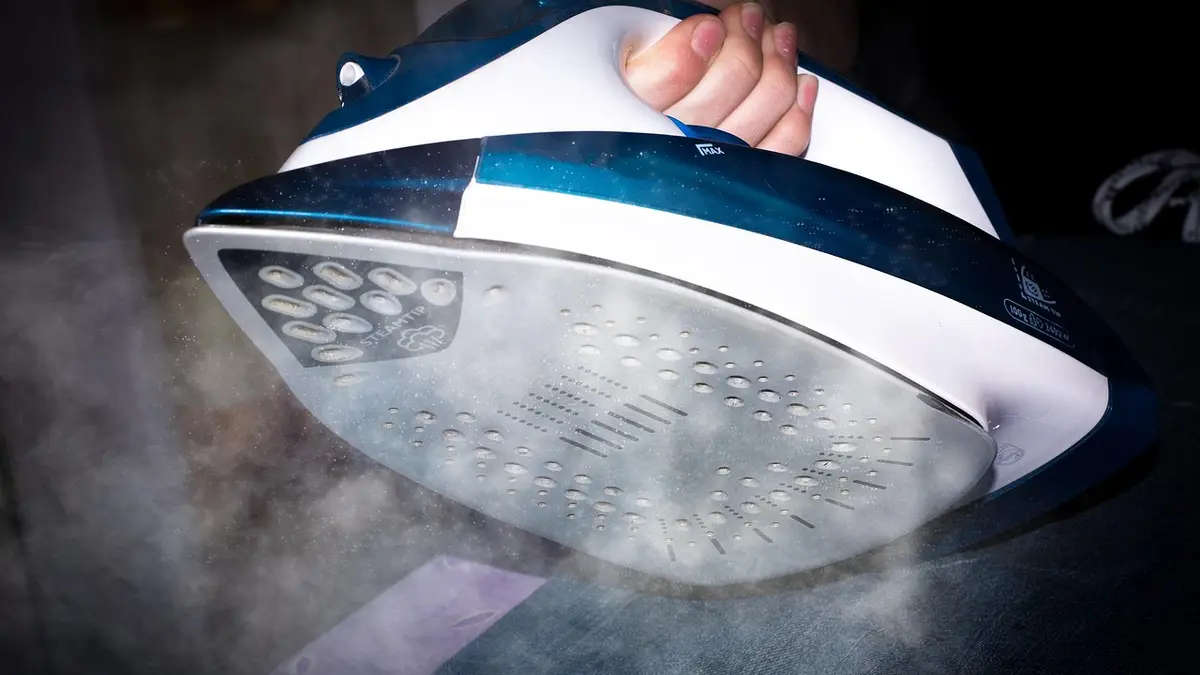
Specify soleplate material and coating, steam-hole layout, tank capacity, filling opening, continuous steam and steam-burst performance, temperature settings and cord arrangement. Agree how steam output, dripping and fabric glide will be tested. Define whether anti-drip, anti-scale and automatic shut-off functions are included, then retain an approved sample.
Lock the heating element, thermostat, thermal cut-out, cable, plug and plastics to the tested configuration. For Great Britain, confirm the declaration of conformity, CE or UKCA marking and importer-identification requirements for mains irons with the relevant authority. Instructions must be in easily understandable English. Match the safety reports to the exact model and factory; use testing and certification to organise the document review.
Under the hazardous-substance rules, an importer selling electrical equipment under its own name or trademark must meet the manufacturer's obligations. A business importing electrical equipment commercially into the UK is also a producer for electrical-waste purposes and must register annually.
Worked duty example
Illustrative example, not a quote: Illustrative order: 2,000 steam irons under 8516 40 00 00, invoiced at £36,000 free on board, with £2,400 of freight and insurance to the UK. The customs value is £38,400. Duty at 2% is £768. Import VAT at 20% is charged on the customs value plus duty, £39,168, so it is £7,833.60. Import taxes total £8,601.60; a VAT-registered importer can usually reclaim the VAT, so the lasting cost is the £768 of duty. The import duty and VAT guide explains each step.
Inspection checklist
Steam and leaks: run sampled irons through heating, steaming, cooling and refilling. Check the tank seam, filling cap and steam outlets for leakage, spitting and uneven steam.
Soleplate and controls: check coating damage, burrs, flatness and snagging on agreed fabric samples. Verify temperature settings and any specified automatic shut-off function.
Electrical assembly: have competent personnel check insulation, earth continuity where applicable, thermal protection, cord anchorage and plug configuration against the approved report and component list.
Documents and packing: match model identifiers, rating plates, CE or UKCA marking, importer details and English instructions. Check soleplate protection and carton condition on arrival. Plan the stages through quality inspection.
Working out your own order? Send us the product on WhatsApp and we reply the same working day: WhatsApp us
What goes wrong
A good-looking sample can conceal a different production thermostat, thinner cord or changed soleplate coating. Unapproved substitutions break the connection between the delivered iron and its test report. Require written approval for component changes and compare production samples with the approved configuration before shipment.
A brief dry heating test misses dripping, tank leaks and unstable steam after repeated use. Include wet operation and cooling cycles in the agreed inspection method, and repeat the checks on arrival. Record residual test water separately from leakage or dirty tanks.
Cambridge China Bridge sources these products for UK businesses, checking the factory and the documents before shipment. See factory verification. For components and parts, see sourcing for manufacturers.
Frequently asked questions
What is the UK import duty on steam irons from China?
The supplied tariff record shows 2% for electric smoothing irons under 8516 40 00 00, with no anti-dumping or countervailing duty, suspension or attached import control.
Do steam irons need CE or UKCA marking?
For sale in Great Britain, confirm the CE or UKCA marking, declaration of conformity and importer-identification requirements for mains-powered irons with the relevant authority. Check that the marking matches the product's conformity documentation.
Can I use the factory's report for my own-brand iron?
Check that it covers your exact model, factory and component configuration. A report for a similar casing does not establish that your element, thermostat, cable and plug were tested.
What should I test before accepting steam irons?
Check steam consistency, dripping, tank leakage, soleplate finish, temperature control and specified shut-off functions. Have competent personnel verify electrical safety against the approved configuration.