Sourcing dynamic climbing ropes from China
Dynamic climbing ropes from China carry 8% UK duty across the relevant synthetic-rope lines, with no listed trade remedy. They are personal protective equipment: confirm climbing-rope certification and marking before sale. Cambridge China Bridge sources dynamic climbing ropes.
Buying from China for a business? How our UK China sourcing agent service works · China sourcing agent for small orders and first imports
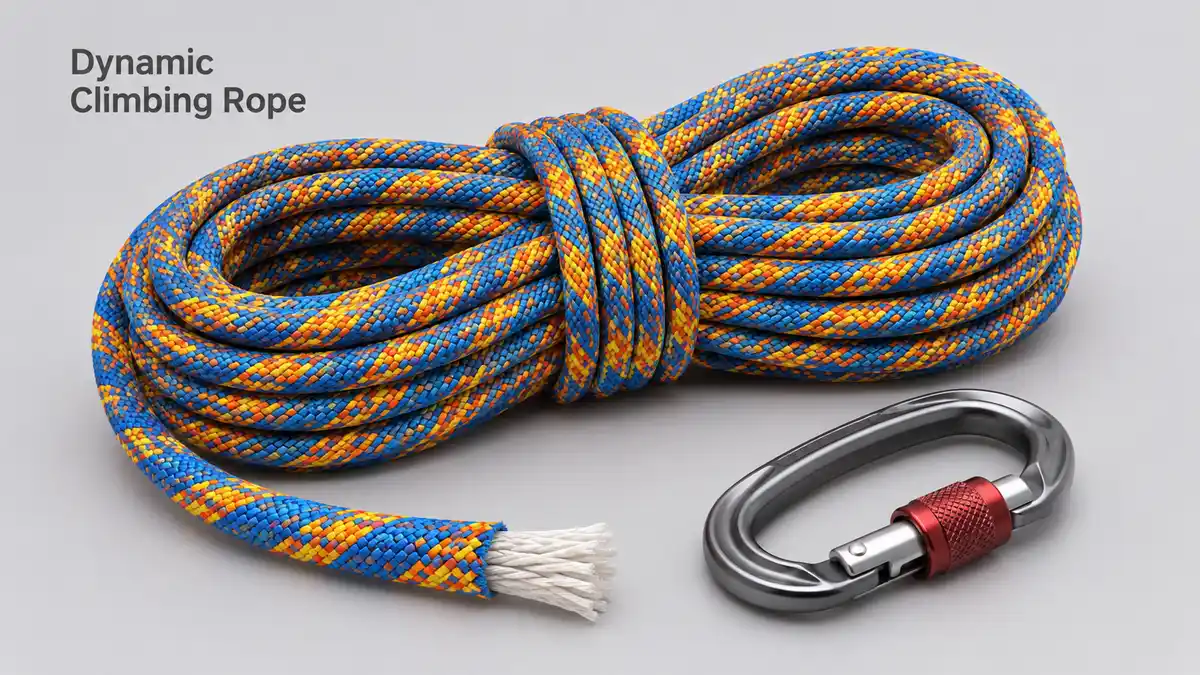
Dynamic rope classification and duty
Read from the UK Trade Tariff on 2 October 2026, heading 5607 covers twine, cordage, ropes and cables. Braided nylon dynamic climbing rope measuring more than 5 g/m is a candidate for 5607 50 11 90. The table includes conditional classification alternatives, not interchangeable climbing products. A different construction, lower linear density or different synthetic fibre needs its own classification check.
The listed synthetic-rope lines carry 8% duty for goods from China, with no anti-dumping or countervailing measure and no attached import controls in the supplied snapshot. The authorised-use suspension under 5607 50 90 98 concerns specified surgical-suture twine, not dynamic climbing ropes. Tariff clearance does not establish climbing safety.
Confirm fibre, core and sheath construction, linear density and any making-up with your broker using our commodity code guide. See the rope, twine and cordage guide for the wider heading.
| Goods | Commodity code | Duty | Anti-dumping or countervailing duty on China |
|---|---|---|---|
| Braided nylon or polyester rope over 5 g/m | 5607 50 11 90 | 8% | None |
| Other nylon or polyester rope over 5 g/m, if construction matches | 5607 50 19 90 | 8% | None |
| Nylon or polyester rope at 5 g/m or less, if measured density matches | 5607 50 30 90 | 8% | None |
| Other synthetic-fibre rope, if the declared fibre matches | 5607 50 90 98 | 8% | None |
Specify the climbing use and certified rope model
Specify a nylon core and braided sheath, the intended single, half or twin rope use, diameter, finished length, mass per metre, colours and end finishing. Agree the reported impact force, static and dynamic elongation, fall-test performance and sheath slippage for the exact model. Record any water-repellent treatment in the specification and approve changes before production.
Dynamic climbing ropes are personal protective equipment. Ask for EN 892 test evidence and confirm the applicable conformity assessment and certification requirements with the relevant authority. Great Britain accepts CE-marked PPE that meets the applicable requirements. Instructions must be clear, legible and in easily understandable English. Match the certificate, conformity declaration and test reports to the ordered model and construction. Arrange testing and certification checks before approving production.
Worked duty example
Illustrative example, not a quote: Illustrative order: 12 coils of finished braided nylon dynamic climbing rope under 5607 50 11 90, invoiced at £2,160 free on board, with £648 of freight and insurance to the UK. The customs value is £2,808. Duty at 8% is £224.64. Import VAT at 20% is charged on the customs value plus duty, £3,032.64, so it is £606.53. Import taxes total £831.17; a VAT-registered importer can usually reclaim the VAT, so the lasting cost is the £224.64 of duty. The import duty and VAT guide explains each step.
Inspection checklist
Dimensions: measure finished length and diameter using the agreed method, and compare mass per metre with the specification.
Core and sheath: check sampled ropes for uneven diameter, soft spots, exposed core, damaged yarns, sheath movement and poorly finished ends.
Identity and documents: match rope labels, packaging and batch references to the ordered model, certification and conformity declaration; check the English instructions.
Performance: send production samples for the agreed climbing-rope tests. A visual inspection or ordinary breaking-strength result does not establish dynamic fall performance.
Working out your own order? Send us the product on WhatsApp and we reply the same working day: WhatsApp us
What goes wrong
A supplier may offer ordinary nylon utility rope or low-stretch rope against a dynamic climbing specification. Other problems include short coils, inconsistent diameter, sheath damage and certificates naming a different model. Check production samples and documents together; do not approve a shipment solely because its sample looks like the reference rope.
Changes to yarn, core construction, sheath or treatment can undermine the evidence used to approve the order. Hold affected stock while the supplier and certification body resolve the discrepancy. Do not sell rope for climbing without the corresponding certification and marking.
Cambridge China Bridge sources these products for UK businesses, checking the factory and the documents before shipment. See factory verification. For repeat volumes, see container programmes.
Frequently asked questions
What is the UK import duty on dynamic climbing ropes from China?
The relevant synthetic-rope lines carry 8% duty in the supplied tariff snapshot, with no listed anti-dumping or countervailing duty. Confirm the code against the rope's fibre, construction and linear density.
Which standard should I ask for on dynamic climbing ropes?
Ask for EN 892 testing and the relevant climbing-rope certification for the exact model. Match the rope construction and intended single, half or twin use to the documents.
Can CE-marked climbing ropes be sold in Great Britain?
CE-marked PPE is accepted in Great Britain when it meets the applicable requirements. Check the certification against the supplied rope and ensure instructions are clear, legible and in easily understandable English.
Is a breaking-strength report enough for a climbing rope?
A breaking-strength result alone does not establish dynamic fall performance. Ask for the agreed climbing-rope test evidence and certification for the exact model and check production samples against it.