Sourcing CLT panels from China
Cross-laminated timber panels from China carry 0% UK duty across both the bamboo and other-material lines, with no listed trade remedy. Confirm timber harvest-legality due-diligence obligations with the relevant authority before first placement on the Great Britain market. Match structural evidence to the exact panel build-up. Cambridge China Bridge sources cross-laminated timber panels.
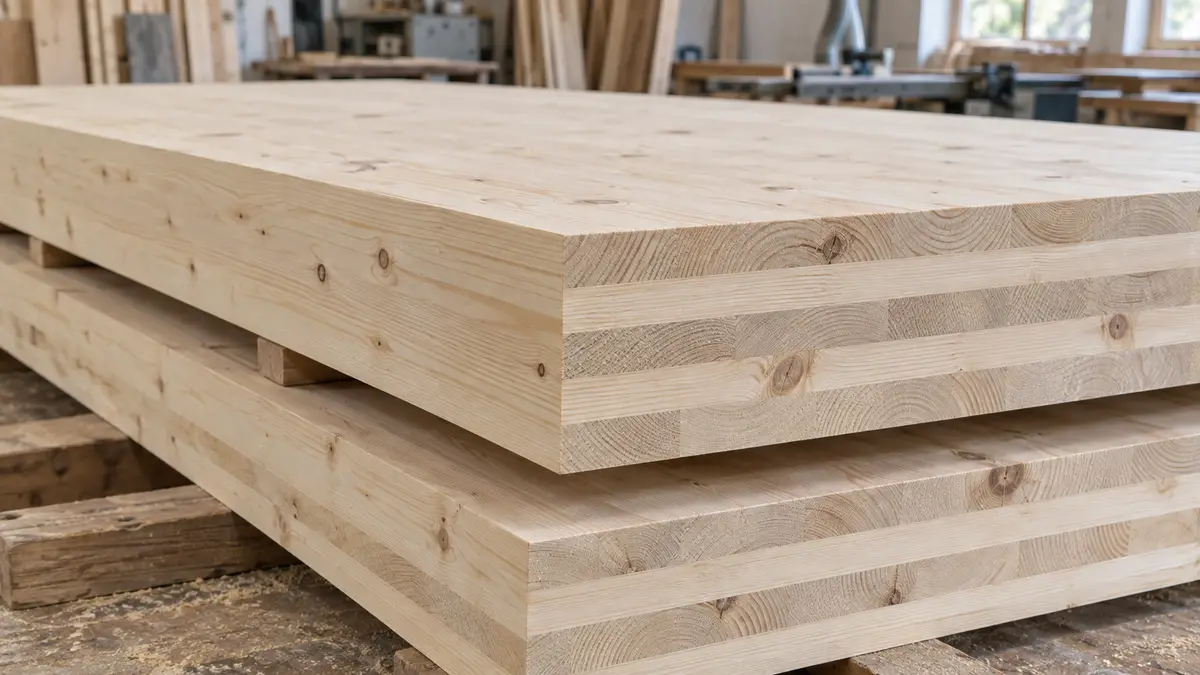
Zero duty on cross-laminated panels
Read from the UK Trade Tariff on 30 September 2026, cross-laminated timber panels under 4418 82 00 90 and bamboo panels under 4418 82 00 10 carried 0% duty from China. Neither line lists an anti-dumping or countervailing measure or a suspension. Heading 4418 covers builders' joinery and carpentry; this guide focuses on cross-laminated structural panels.
The tariff attaches a cultural-goods export-licence entry to these lines. Ask your customs broker to confirm the relevant waiver for newly manufactured panels. Official cultural-goods guidance states that importing objects of cultural interest into Great Britain has no licensing requirement. This does not replace the timber-legality checks for the panels.
Confirm the commodity code using the material and panel construction. The glulam rows are related-product comparisons, not alternative codes for cross-laminated panels. See the glulam timber beams guide for the wider heading. Allow for 20% import VAT and check the calculation in UK import duty and VAT. For concrete formwork sourcing, see wooden shuttering panels.
| Goods | Commodity code | Duty | Anti-dumping or countervailing duty on China |
|---|---|---|---|
| Cross-laminated timber panels, other than bamboo | 4418 82 00 90 | 0% | None |
| Cross-laminated structural panels of bamboo | 4418 82 00 10 | 0% | None |
| Related product for comparison: glulam, other than bamboo | 4418 81 00 90 | 0% | None |
| Related product for comparison: glulam of bamboo | 4418 81 00 10 | 0% | None |
Specify the panel build-up and structural evidence
Specify the timber species, layer arrangement and grain direction, overall thickness, panel dimensions, adhesive system, moisture target and exposed-face finish. Agree drawings for openings, rebates, connection zones and lifting points. Identify every panel against the installation drawing, including its orientation and packing sequence.
Ask the relevant authority or your customs broker to confirm the timber due-diligence requirements for heading 4418 wood products. Before first placement on the Great Britain market, establish the species and country of harvest for every wood component and gather evidence of legal harvesting. A Chinese factory address does not establish where the timber was harvested.
Ask the project engineer to review strength, stiffness, bond durability and fire-performance evidence for the exact panel construction and intended use. Where a designated standard covers the product, confirm with the relevant authority whether the manufacturer must draw up a declaration of performance. Products not covered or fully covered by a designated standard may use a technical assessment document. Confirm the applicable route before ordering through testing and certification.
Worked duty example
Illustrative example, not a quote: Illustrative order: 50 cubic metres of cross-laminated timber panels; values are illustrative under 4418 82 00 90, invoiced at £22,000 free on board, with £3,500 of freight and insurance to the UK. The customs value is £25,500. Duty at 0% is £0. Import VAT at 20% is charged on the customs value plus duty, £25,500, so it is £5,100. With no duty, the only import tax is the VAT, which a VAT-registered importer can usually reclaim. The import duty and VAT guide explains each step.
Inspection checklist
Geometry: measure thickness, length, width, squareness and flatness against approved drawings; check opening positions, rebates and connection details.
Layers and bonding: check layer thicknesses and grain directions against the agreed build-up; inspect edges for gaps, splits and delamination, and match bond-test records to the supplied construction.
Moisture and packing: record moisture at packing and arrival; inspect wrapping, wet edges and mould. For solid-wood pallets and dunnage carrying the panels into Great Britain, confirm applicable treatment and marking requirements under the international wood-packaging standard with the relevant plant health authority or your customs broker.
Identity and documents: match panel labels to drawings, batch records, structural reports and timber-origin documents. Use quality inspection to record discrepancies before shipment.
Working out your own order? Send us the product on WhatsApp and we reply the same working day: WhatsApp us
What goes wrong
A panel can match the overall thickness while having a different layer build-up from the structural report. Changed species, adhesive or grain orientation can leave the buyer without evidence for the supplied construction. Openings cut from an outdated drawing and panels packed in the wrong installation sequence also create site problems.
Wet edges, damaged wrapping and poor bonding can produce mould, swelling or delamination. Photograph damage before unloading, keep panel identities attached to the findings and ask the engineer to assess affected panels before installation. Agree how the factory will handle repairs or replacements before shipment.
Cambridge China Bridge sources these products for UK businesses, checking the factory and the documents before shipment. See factory verification. For repeat volumes, see container programmes.
Frequently asked questions
What is the UK import duty on cross-laminated timber panels from China?
Both listed cross-laminated panel codes carry 0% duty from China, with no listed anti-dumping or countervailing measure. Import VAT is normally 20%.
Do imported cross-laminated timber panels need timber due diligence?
Yes. For wood panels first placed on the Great Britain market, establish the species and harvest country of every wood component and obtain supporting legality documents.
What structural documents should I request from the factory?
Request reports matching the species, adhesive and layer build-up supplied. Have the project engineer review the intended use and confirm the applicable declaration-of-performance or technical-assessment route.
What should I check when the panels arrive?
Check panel identities, dimensions, openings, moisture, wrapping and exposed edges. Record mould, splits or delamination and obtain an engineering assessment before installing affected panels.