Production sample failed a UK safety test: what now?
Hold shipment and sale of potentially affected goods. Obtain the complete findings, trace the sample to production, investigate the cause and approve a written remedy. Agree independent retesting of representative corrected goods before release. Ask Cambridge China Bridge to coordinate factory evidence and remedial work through its staff in China.
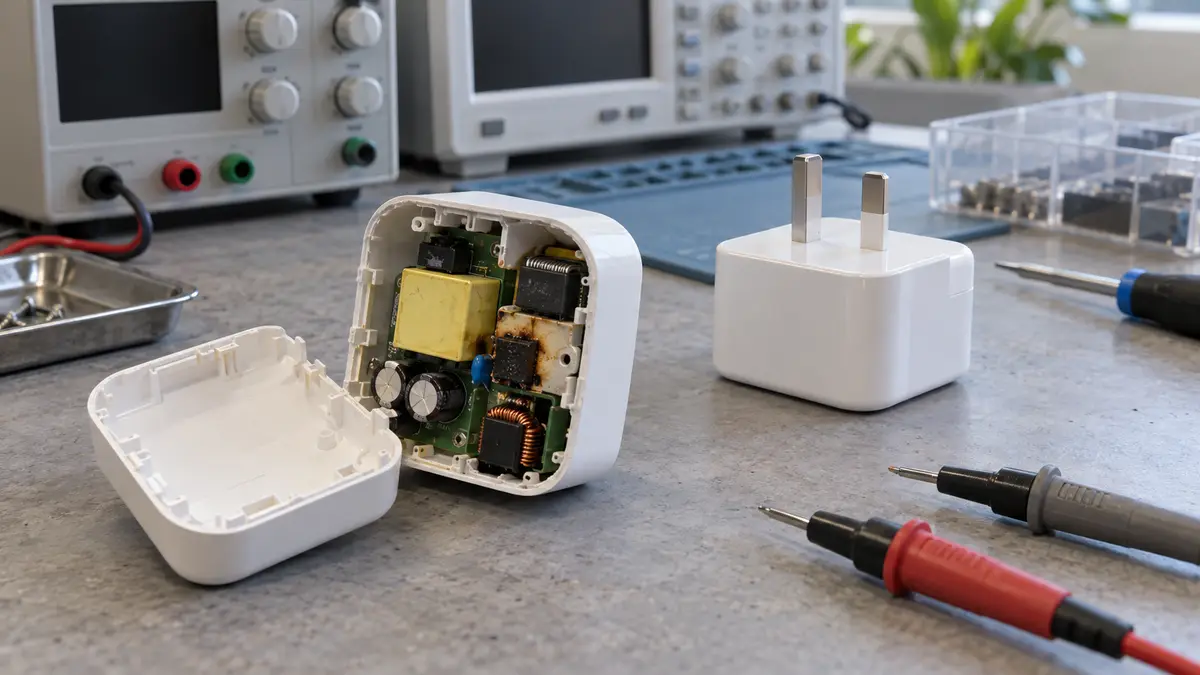
Hold the goods and obtain the complete findings
Tell the factory and warehouse which goods are on hold, who controls the hold and that dispatch needs written release. UK guidance says products should only be sold once compliance with product safety regulations has been demonstrated appropriately. If related consumer goods are already on the market, manufacturers and importers must monitor their usage and report identified risks to their local Trading Standards service. Do not postpone that report while negotiating with the factory.
Ask the laboratory for the complete report and available supporting findings: sample identification, photographs, methods and standard editions, clauses assessed, measured results, limits, test conditions, deviations and any untested areas. Request an explanation of each failure and preserve the failed specimen where possible. A summary saying 'failed' does not explain the remedy. Use test report verification to check the report itself.
Map affected variants and production batches
Trace the tested specimen to its production batch, material lots, components, tooling, production location and specification revision. Ask the factory to identify other goods sharing the suspected cause, including stock awaiting shipment and earlier deliveries. Record each variant and batch as held, potentially affected or excluded with supporting evidence. If records cannot separate them, keep the wider group on hold.
Do not assume a different colour or size is unaffected. A shared component may spread the problem across models; a changed coating may limit it to particular variants. Ask the laboratory to review the proposed coverage and exclusions. Report coverage across colours and sizes explains the coverage question in more detail.
Separate a product failure from a testing problem
Review the findings with the laboratory before accepting the factory's explanation. Check whether the specimen matches the ordered product, its intended use and the requested assessment. Ask about transport damage, conditioning, assembly, operating settings, fixtures, method deviations and uncertainty where relevant. Request a written explanation of anything that could change the conclusion.
An unexpected result is a reason to investigate, not permission to discard it. If a sample mix-up or testing error is established, obtain a corrected report or an agreed repeat assessment with the original findings retained. If the laboratories disagree, ask them to reconcile their methods and specimen differences. Laboratory sample chain of custody helps establish what was actually tested.
Approve the remedy before the factory changes anything
Require a written proposal linking each failed finding to its suspected cause, the evidence supporting that cause and the proposed correction. Distinguish repair of existing stock from changes to future production. Specify affected batches, revised drawings or materials, the work owner, how completion will be recorded and how further substitutions will be controlled. Agree costs and responsibility before authorising work.
Ask the laboratory or a suitable product specialist whether the change could create other hazards or affect previously satisfactory results. Approve the revised specification and retest brief together. A discount does not resolve a safety failure. Making bulk production match the sample covers the underlying specification controls; this failure investigation also needs evidence that the correction addresses the cause.
Working out your own order? Send us the product on WhatsApp and we reply the same working day: WhatsApp us
Define independent retesting and written release
Agree the independent laboratory, methods, acceptance criteria and coverage before submitting replacement samples. Ask the laboratory to justify which failed and related tests need repeating after the change. Have samples selected independently from corrected production, with batch identities, photographs and sealed dispatch records. Avoid relying solely on a specially prepared factory specimen. Check the laboratory's competence and accreditation scope for the proposed work.
Release only the batches and variants supported by the reviewed results and completed corrective-work records. Keep the original failure, investigation, approvals, rework evidence and retest report together. Record who authorised release and any remaining exclusions. A passing specimen alone does not show that all held stock was corrected. Corrective action closure evidence helps distinguish completed work from a factory promise.
Frequently asked questions
Can I ship while waiting for the safety retest?
Keep potentially affected goods on hold. A booking deadline is not evidence that the failure has been resolved. Define the release evidence and approving person before arranging dispatch.
Does a failed sample mean every batch has failed?
It does not establish the condition of every batch. Trace shared materials, components and processes, then document the affected scope. Keep uncertain batches on hold until there is evidence to exclude them.
Can I use a different laboratory for the retest?
Yes, but give it the original findings and correction records. Agree comparable methods and representative samples. Ask it to explain conflicting results rather than simply choosing the passing report.
Who pays for rework and retesting?
Check the purchase terms and agree responsibility in writing before work starts. Separate investigation, rework, sample selection and laboratory charges. Do not assume the laboratory fee includes factory remedial work.