Can I use kitchen scales at a UK market stall?
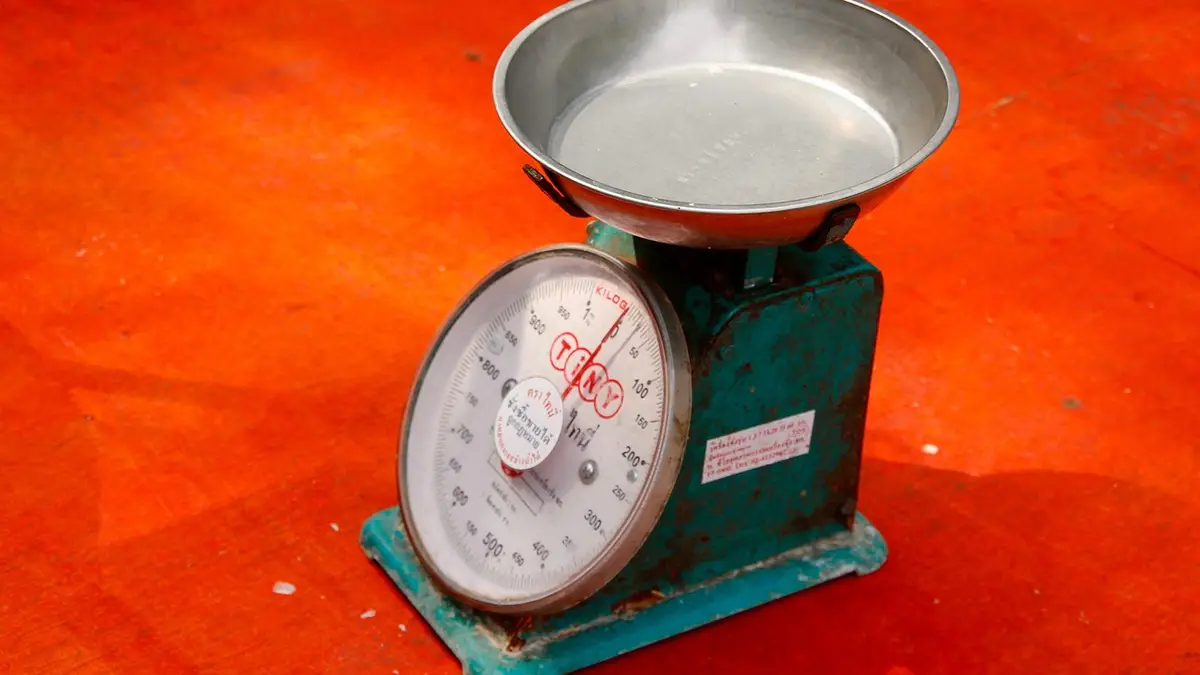
No. Ordinary domestic kitchen scales are not suitable for selling stock by weight. Use trade-approved equipment, check its conformity and verification evidence, deduct containers for net-weight sales and make the weighing information visible to customers. Prepare your equipment and stock brief with Cambridge China Bridge.
Confirm how you will sell the goods
Describe whether you will weigh loose goods for each customer, fill packs before trading or resell factory-sealed packs. Commercial weighing and making up pre-weighed packages fall within the regulated uses of non-automatic weighing instruments. Ordinary kitchen scales are domestic equipment, so do not choose them simply because their readings appear accurate.
The equipment and marking advice below concerns England, Scotland and Wales. For a Northern Ireland stall, ask the local Trading Standards service to confirm the applicable equipment route. Send photographs of your goods, containers and proposed scale. For venue arrangements, use our separate guide to selling imported goods at markets.
Check the exact scale before buying or hiring
Ask the supplier to identify the exact model as suitable for trade and direct sales to customers. Regulated scales require conformity assessment. For a new scale supplied in Great Britain, check the applicable CE or UKCA conformity evidence and the additional M marking. A CE or UKCA logo alone does not establish the weighing approval.
Request the declaration of conformity, assessment evidence, photographs of the markings and data plate, and operating instructions. Match these to the equipment supplied. Ask the supplier to explain the minimum and maximum weighing capacities, scale intervals, tare limits and customer display. Check that your smallest intended portion and heaviest filled container suit the scale.
Establish verification status and repair history
Trade equipment must retain its qualified status while in use. Ask what evidence establishes the status of this particular scale, including its original conformity evidence or applicable verification marks. For used or hired equipment, request its repair history and inspect the seals and markings. Keep copies with the stall equipment record.
If an instrument has been disqualified, or could be disqualified, it must undergo re-qualification before trade use resumes. Not every repair requires this. Ask Trading Standards or an Approved Verifier to assess repairs, adjustments or component changes and record the outcome. Request evidence of legal qualification separately from any calibration report; do not resume weighing sales while the status remains unresolved.
Deduct containers and test the tare routine
For a net-weight sale, deduct the bag, tray or container so that the charged weight represents the goods. Follow the scale instructions: check the empty platform, place the empty container on it, apply tare, then add the product. Tare devices must ensure correct net weighing. Do not confuse the tare control with clearing an unrelated display.
Practise with every container type you plan to use, including customer containers. If using a stored tare, check that it matches the actual empty container and revisit it when packaging changes. Test that removing a container and starting the next sale clears the previous tare correctly. Use a stable, level surface and ask your equipment provider for an appropriate routine accuracy-check method.
Working out your own order? Send us the product on WhatsApp and we reply the same working day: WhatsApp us
Make the quantity and price clear to customers
For retail scales covered by the direct-sale requirements, customers must be shown the essential weighing information and, where the instrument indicates price, the price calculation. Arrange the display so customers can read it without moving stock. For ordinary loose stock sold by weight in England, Scotland and Wales, use grams or kilograms. Follow our unit-price display guide for the price basis and offers.
Rehearse a sale showing the container deduction, net quantity, price basis and total charge. If selling imported sealed packs, check their declared quantities and artwork separately: imported packaged goods must be correctly packed and labelled. Use our packaging-label checklist. Cambridge China Bridge’s staff in China can help collect factory packing details and prepare a stock specification for your UK checks.
Frequently asked questions
Can I sell loose goods using kitchen scales?
No. Choose equipment approved for the intended trade use. Ask the supplier for evidence matching the exact scale and have unresolved suitability questions checked before trading.
Is a CE mark enough for market stall scales?
No. Check the weighing conformity evidence and additional M marking, not just a CE logo. Also confirm that the model is suitable for direct customer sales.
Do repaired trade scales need re-verification?
It depends on the work and its effect on qualification. Ask Trading Standards or an Approved Verifier to assess it. Equipment that is disqualified, or could be disqualified, needs re-qualification before trade use.
How do I deduct a customer's container weight?
Place the empty container on the scale and apply tare according to its instructions before adding the goods. Check that the displayed quantity is the net product weight and clear the tare for the next sale.