Factory quoted a different product: what to do
Ask the factory for a separate quotation that meets your requested specification, with alternatives clearly labelled. Get a written comparison of every change and its effect before negotiating price. If the factory cannot meet the brief, ask it to say so explicitly. Cambridge China Bridge can clarify these differences with factories through its own staff in China.
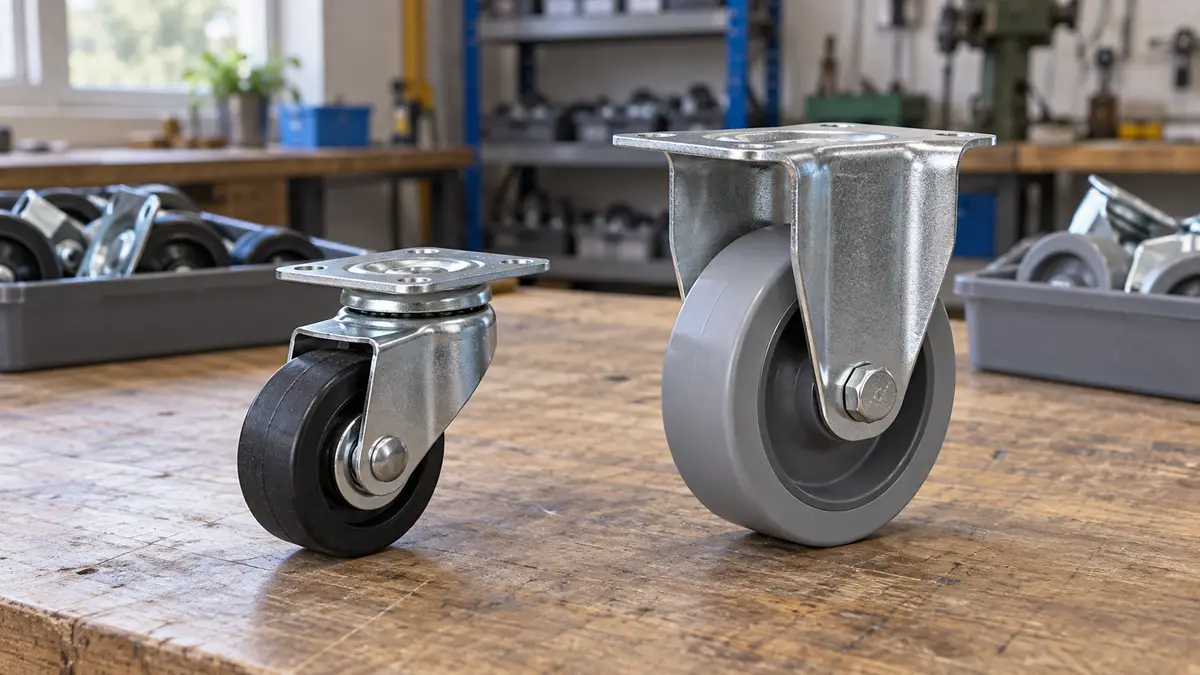
Keep the requested product as the baseline
Reply with the specification you sent and identify where the quoted product differs. Ask whether the factory misunderstood the request, proposed an existing model or cannot make the requested product. Keep the original brief unchanged while you clarify the answer; use the product specification guide if the baseline is unclear.
Request a separate quotation compliant with that brief, including its stated compliance and documentation requirements. Here, compliant with the brief means meeting your written requirements; it is not proof of regulatory compliance. If the factory cannot quote the requested product, ask for a written explanation rather than letting its alternative become the assumed specification.
Label alternatives so nobody mistakes them for approval
Ask the factory to label each alternative as a proposed alternative awaiting buyer approval. Give it a distinct product reference and quotation reference, and attach its own drawing or specification. Keep the requested-product quotation separate, even if the factory believes its alternative is equivalent.
Ask why the alternative is being offered and what remains unconfirmed. An existing production model may be worth considering, but a photograph or the word ‘equivalent’ does not establish matching materials, performance or accessories. State in your reply that discussing or requesting a sample of the alternative does not authorise production.
Get a written comparison before discussing savings
Ask the factory to complete a comparison against your brief, with supporting documents beside each claimed match. Record unchanged requirements as well as deviations, and mark unanswered points as unconfirmed. The supplier quote comparison guide covers the wider commercial comparison; use this sheet to expose the product substitution.
For example, if the requested enclosure is metal and the quoted enclosure is plastic, ask what changes in mounting, durability, finish and supporting test evidence. Record the proposed change and the evidence needed to assess it before describing the alternative as a saving.
| Requirement | Requested product | Quoted alternative | Effect and evidence needed |
|---|---|---|---|
| Identity and use | Brief reference and intended use | Proposed model and intended use | Suitability for the buyer's application |
| Materials and components | Specified grades and named parts | Every proposed substitution | Durability, compatibility and supporting evidence |
| Performance and fit | Required performance and dimensions | Claimed performance and dimensions | Drawings, sample checks and test results |
| Packaging and contents | Required packaging and included items | Proposed packaging and included items | Handling, freight and missing accessories |
| Compliance documents | Evidence requested for the specified configuration | Evidence available for the alternative | Configuration coverage and unresolved checks |
| Commercial consequences | Requested quantity and delivery scope | Alternative's quantity and delivery scope | Setup, checks, timing and recurring costs |
Check the alternative's evidence
For products requiring conformity assessment, the official guidance says the process differs between individual products. Identify the applicable requirements for the product and destination market before accepting the factory's claim that the alternative is suitable.
Match available reports to the alternative's exact configuration. As the specification guide explains, changing an enclosure, power supply or material may mean an existing report no longer describes the product. Ask whoever reviews your compliance evidence to identify gaps and any further checks needed; keep unresolved items visible in the comparison. For food alternatives, see our guide to factory allergen evidence.
Working out your own order? Send us the product on WhatsApp and we reply the same working day: WhatsApp us
Choose the product, then negotiate and record it
Once the comparison is complete, decide whether to retain the requested specification, assess the alternative further or approach another factory. Negotiate against the chosen scope using the factory negotiation guide. Keep any proposed saving separate from the cost and work needed to assess the change. For cosmetics, see switching factories with the same formula. For factory evidence checks, see verifying cosmetics factory GMP evidence.
You can send: ‘Please quote the attached specification separately. Label your other proposal as an alternative awaiting approval and provide a written comparison of all deviations, evidence gaps and commercial effects. We will review the product choice before negotiating. Please do not proceed with samples, tooling or production without our written instruction.’
If you accept an alternative, issue a revised specification and obtain an updated quotation referencing it. Record exactly what is approved and any conditions still outstanding. Cambridge China Bridge can use its own staff in China to clarify the factory's response and keep the requested product and alternatives distinct.
Frequently asked questions
Why has the factory quoted a different product?
It may have misunderstood the brief, offered an existing model or be unable to make the requested product. Ask which applies and request a written explanation of every deviation.
Should I negotiate the alternative's price first?
Complete the written product comparison first. Decide whether the alternative is suitable and identify unresolved checks before negotiating against its scope.
What if the factory cannot quote my specification?
Ask it to confirm that explicitly and explain the limitation. Assess its alternative separately or approach another factory with the original brief.
Does requesting an alternative sample mean approval?
State that the sample is for evaluation and does not authorise production. Record any later approval against the chosen specification and quotation.