How to negotiate a lower factory deposit
Ask the factory to show which materials need paying for and when. Offer a smaller authorised production release, with payments tied to checked procurement and production milestones. Keep forecasts separate from firm orders and retain a balance until inspection passes. Cambridge China Bridge can help negotiate and check this schedule.
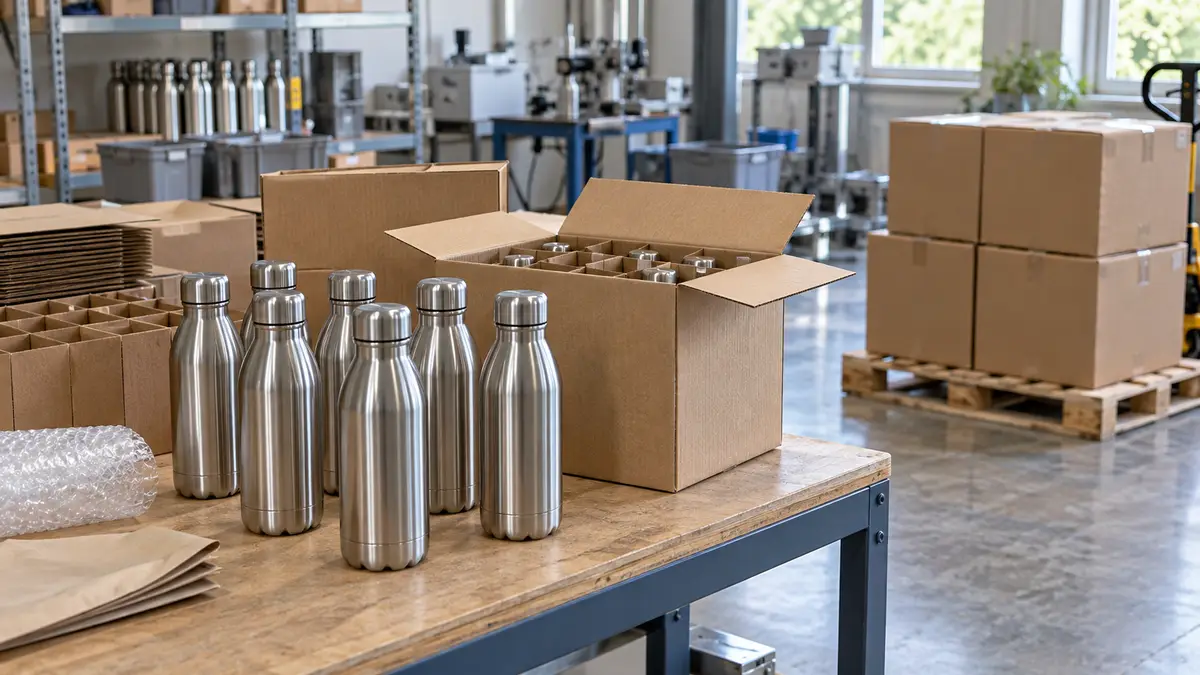
Turn the materials claim into a procurement schedule
Start with the approved specification and ask for a material-by-material schedule: what is needed, what is already in stock, what must be bought, the supplier’s payment terms and when each purchase becomes necessary. Request supporting quotations or purchase documents, with unrelated commercial details concealed if needed. Separate materials from tooling, labour and general overheads.
Ask which purchases cannot be cancelled or reused elsewhere, and why they must happen before production starts. Compare the requested deposit with the immediate cash gap shown by the evidence. Our factory negotiation guide covers the broader conversation; here, the aim is to fund an identifiable purchase rather than accept a general cash request.
Authorise smaller production releases
Ask the factory to quote for a smaller authorised batch, then buy materials and start production only for that release. Specify its products, quantities, specification revision and dispatch plan. Ask how splitting production affects setup costs, material availability, inspection and freight before agreeing.
Check whether a material supplier’s minimum purchase still forces the factory to buy for later batches. If so, identify the excess stock and agree its funding, storage, permitted use and treatment if later orders never arrive. Smaller production releases do not reduce your exposure if you still prepay materials for the entire forecast.
Make each payment earn its release
Write a payment schedule naming the amount, evidence, approver and payment timing for each milestone. Government procurement guidance supports clearly defined payment triggers; use that principle to design your commercial proposal. Match each payment to the work it enables, and ensure early instalments leave a meaningful balance for final acceptance.
A material invoice alone does not show that goods reached the factory or were allocated to your order. Agree access for checks and record how material advances are deducted from later payments. For final acceptance, use the inspection guide; for account checks and payment methods, use paying suppliers safely.
| Stage | Evidence to agree | Payment safeguard |
|---|---|---|
| Authorised material purchase | Approved material schedule and supporting supplier quotation | Limit the advance to agreed purchases for the authorised release |
| Materials received | Receipt records, material identification and an allocation check | Deduct earlier advances and exclude materials already funded |
| Production progress | Order-specific production records and an agreed progress check | Release only the instalment attached to the accepted milestone |
| Shipment acceptance | Passed inspection, resolved defects and agreed shipment documents | Retain the agreed balance until the acceptance conditions are met |
Offer planning certainty without invented volumes
Support your schedule with current stock records, confirmed customer orders and realistic approval capacity. Label demand estimates as forecasts and identify the authorised purchase separately. Agree that forecast updates do not authorise material buying or production; later releases need your written approval. See forecast and call-off terms for the wider stock commitment discussion.
Suggested wording: “We can authorise the batch described in this order. Later demand is a planning forecast, subject to sales and approval. Please propose a lower deposit based on the attached material schedule, with further payments against agreed evidence. Do not purchase for later releases without our written approval.”
Working out your own order? Send us the product on WhatsApp and we reply the same working day: WhatsApp us
Agree what happens when progress stops
Before paying, agree how failed checks, delayed materials and specification changes affect the schedule. Record the correction process, revised approval dates and treatment of unused advances, surplus materials and unfinished goods if the order stops. Ask for arrangements to identify and recover funded materials; a label or photograph alone does not guarantee recovery.
Compare cumulative cash paid before inspection under the original and proposed schedules. A lower opening deposit may simply move the same exposure into an earlier milestone. If the factory will not substantiate its cash need, reduce the authorised scope or seek an alternative supplier. Keep the agreed specification and inspection conditions intact.
Frequently asked questions
How do I ask a Chinese factory for a lower deposit?
Request an evidenced material purchasing schedule. Offer a smaller authorised batch and further payments against checked progress, while retaining an inspection balance.
What if the factory needs cash for all the materials?
Check supplier quotations, existing stock and purchase timing. Identify any minimum purchase or non-reusable material, then agree who funds surplus stock and what happens if later orders do not proceed.
Do smaller batches always reduce my deposit risk?
No. If you fund materials for the whole forecast, your exposure may remain unchanged. Compare cumulative payments before inspection, including material advances.
Should I promise repeat orders to get better terms?
Only commit to orders you can authorise. Share an evidenced forecast for planning, state its uncertainty and require written approval before purchases for later releases.