Check China-bought smoke and carbon monoxide alarms
Match the alarm in your hand to verified safety evidence, confirm it suits the room and occupants, and follow its installation instructions. Use the test button as directed, but do not treat a beep as proof of detection performance. Checks with the supplier and laboratory can be coordinated by Cambridge China Bridge.
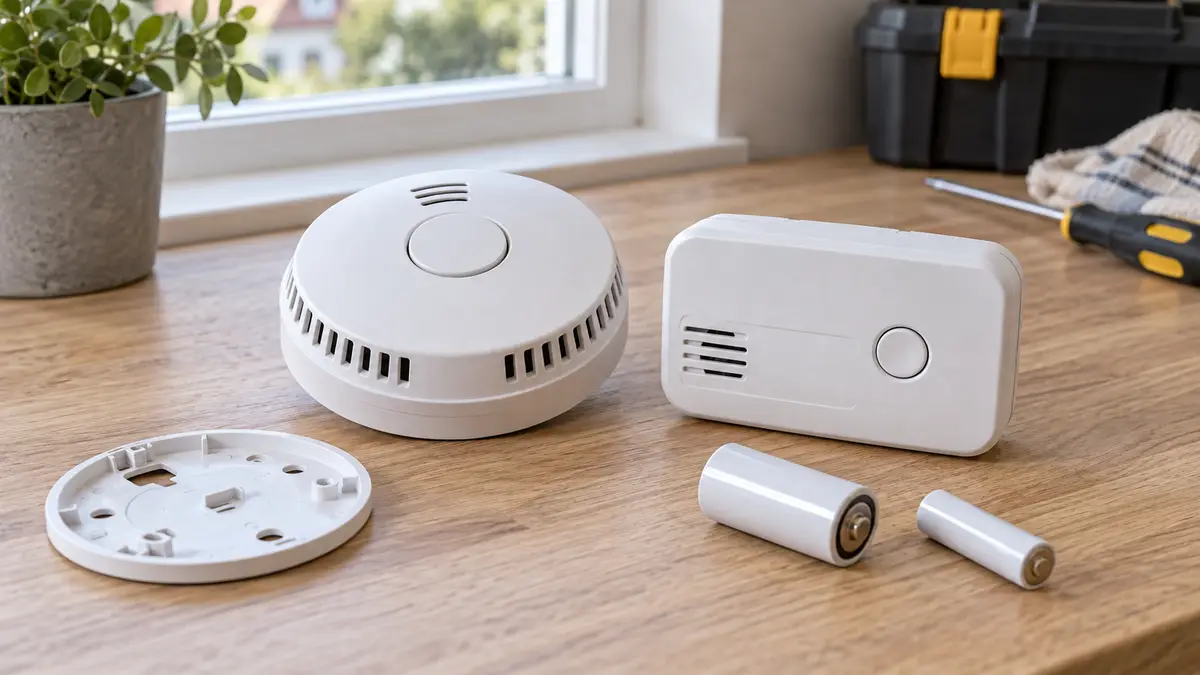
Match safety evidence to the alarm you received
Photograph the alarm label, packaging and instructions. Record the manufacturer, exact model, batch identification, power supply and replacement information. Ask for evidence covering the finished alarm's smoke or carbon monoxide detection performance, not merely its battery, radio module or electrical safety. For a combined alarm, ask for evidence covering both detection functions.
Ask a competent laboratory to identify the relevant domestic alarm product standard and edition, and confirm that the report covers this configuration. Check sensor, electronics and battery changes since testing. Our test report verification guide explains authentication. For stock you intend to sell, also use our electrical import rules guide. A marking or seller's demonstration cannot close missing detection evidence.
Check suitability for the room and occupants
Describe the intended room to the manufacturer or installer: its use, fuel-burning appliances, cooking fumes, steam, dust and expected temperature and humidity. Ask whether this exact model is suitable and where it should be positioned. Do not assume a combined smoke and carbon monoxide alarm has a suitable shared mounting position, or that a home model is suitable for a boat or caravan.
The UK Health Security Agency recommends alarms compliant with the domestic carbon monoxide product standard in every room with a fuel-burning appliance. Separately assess smoke coverage and whether occupants can hear or otherwise receive the warning while asleep. Ask an installer to resolve any need for linked alarms or accessible warning devices before accepting the proposed arrangement.
Install from the exact model's instructions
Obtain understandable English instructions matching the model label. Check mounting orientation, permitted positions, clearances, fixing method, battery activation and any mains connection or interconnection instructions. Government guidance for landlords in England says to follow the individual manufacturer's installation instructions. As a practical check, have a competent installer resolve missing or contradictory directions before fitting.
Walk through the instructions using the supplied alarm and accessories. Can the user distinguish an alarm warning, low battery, fault and end-of-life indication? Can they test and maintain it after mounting? Our assembly and instruction checking guide explains this usability check. Keep the manual and a photograph of the installed position.
Understand what the test button proves
Activate the alarm and operate its test button exactly as the manual directs. Check the expected sound and indicators, and any linked alarms specified by the instructions. Ask the manufacturer what this model's test routine checks: the sounder, electronics, sensor diagnostics or a combination. Avoid the blanket assumption that every button tests only the buzzer, or that every button proves full sensor performance.
A successful button test does not establish how the alarm responds to real smoke or carbon monoxide at the specified exposure conditions. That needs appropriate performance evidence. Do not improvise tests with flames, exhaust fumes or deliberately released gas. If detection evidence remains doubtful, arrange competent laboratory assessment or choose an alarm with verified evidence before relying on it.
Working out your own order? Send us the product on WhatsApp and we reply the same working day: WhatsApp us
Make a decision and keep checking
Search the government product safety alerts and recalls list using the brand, model and seller's product identifiers. Compare photographs and batch details where available, and follow any matching notice. No matching entry is not proof of safety. Keep the evidence, installation record and manufacturer's testing, cleaning and replacement instructions together; record the checks you carry out.
If identity, detection evidence, suitability or instructions remain unresolved, do not rely on that alarm for home protection. Arrange an alternative with verified evidence promptly. An alarm does not replace appliance servicing or a household emergency plan. Cambridge China Bridge's staff in China can help obtain model records and coordinate testing and certification checks.
Frequently asked questions
Does a beeping test button mean my alarm is safe?
It confirms the model's test routine operated. Ask what that routine checks. A beep does not establish smoke or carbon monoxide response under the performance test conditions, or suitability for your room.
What evidence should I ask a Chinese alarm supplier for?
Ask for complete detection performance reports covering the exact finished model, its sensor and power configuration, plus matching instructions and batch identity. A combined alarm needs evidence for both detection functions.
Where should I install a China-bought alarm?
Follow the exact model's instructions and confirm suitability for the room. Have an installer resolve unclear positions or conflicting smoke and carbon monoxide placement needs before fitting a combined alarm.
Should I test my alarm with smoke or exhaust fumes?
Do not improvise an exposure test. Follow the manufacturer's button-test instructions. If you doubt detection performance, use competent laboratory assessment or replace it with an alarm supported by verified evidence.