ISPM 15 for pallets and crates from China to the UK
Solid wood packaging entering Great Britain from China must meet ISPM 15. A fumigation certificate cannot replace the treatment mark. Check the actual pallets, crates and loose packing wood before loading, rather than relying on paperwork alone. Cambridge China Bridge can coordinate these checks through its staff in China.
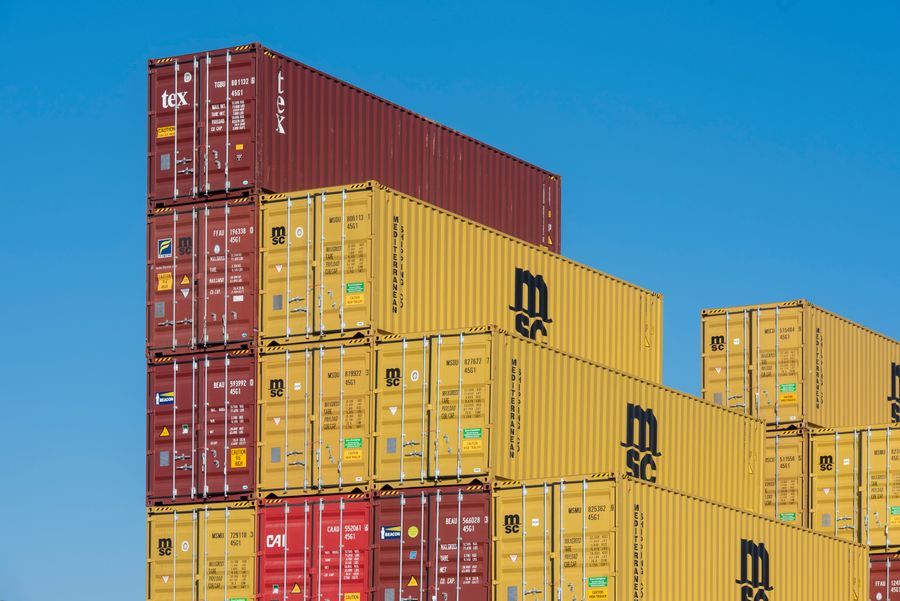
Check the packaging, not just the product
This guide covers imports into Great Britain, meaning England, Scotland and Wales. Northern Ireland has different wood packaging rules. Solid wood packaging must meet ISPM 15 whether it carries goods or is imported for supply to businesses.
Ask the factory to list every packaging material, including pallets, crate frames and loose wood used to support the cargo. If you are buying pallets or crates as products, use our pallets and crates guide for the separate duty and timber-legality questions.
Does a plywood crate need treatment?
Processed, non-solid wood packaging such as plywood is outside these wood packaging rules. However, describing a crate as plywood does not tell you what its runners, frame or internal supports are made from. Check those components separately for solid wood.
Request a packaging drawing and material list before approving the order. Identify any solid wood in the base, bracing and packing added during loading. Put the agreed packaging materials into your product specification, so the factory cannot quietly substitute untreated timber.
Check the mark on the actual packaging
The ISPM 15 mark identifies the country, producer and treatment method. Ask for close-up photographs that make the complete mark readable, alongside wider photographs showing which pallet or crate carries it. An image of a stamp held beside the cargo is poor evidence of the packaging being shipped.
Before loading, compare the packaging with the photographs and supporting treatment records. Check for missing or unreadable marks and newly added solid wood. Include these checks in the container loading check, especially when a packing contractor supplies the final pallets.
A fumigation certificate does not replace the mark
ISPM 15-compliant wood packaging does not require a phytosanitary or treatment certificate: certification is provided by the mark. A certificate cannot be used instead of that mark on imported wood packaging. Treatment can be heat treatment or fumigation, so do not insist on fumigation paperwork as the only acceptable evidence.
If a supplier sends a fumigation certificate, ask which packaging it relates to and compare its description with the shipment. Keep supporting records for your checks, but resolve missing marks before dispatch. A document labelled fumigation certificate is not a reason to approve unmarked pallets.
What happens if packaging is stopped?
Wood packaging may be checked at the border or at inland premises. Non-compliant packaging could be rejected or destroyed, leaving you to arrange alternative transport for the goods. Treat the packaging as part of shipment readiness, even when the products themselves are ready.
If a problem is reported, ask the forwarder for the inspection findings, photographs and written instructions. Establish which packaging is affected, how the goods can be handled and what replacement packing is proposed before authorising work. Send the evidence to the factory and preserve the pre-loading records for resolving responsibility.
Frequently asked questions
Do pallets from China need an ISPM 15 mark?
Solid wood pallets entering Great Britain must meet ISPM 15 and carry the treatment mark. Check the actual pallets before loading.
Is a fumigation certificate enough for UK imports?
No. A certificate cannot replace the ISPM 15 mark on imported wood packaging. Compliant marked packaging does not require a treatment or phytosanitary certificate.
Does a plywood shipping crate need ISPM 15?
Plywood packaging is outside these rules, but check for solid wood runners, frames and supports. Assess those components separately.
What happens to pallets that fail a border check?
Non-compliant wood packaging could be rejected or destroyed. You may need alternative arrangements to transport the goods. Ask the forwarder for the inspection findings and instructions.