Sourcing woven prom dresses from China
Woven prom dresses from China carry a flat 12% UK duty across the dress lines supplied, with no anti-dumping or countervailing duty recorded. Fibre composition must be labelled. Specify the bodice fit, lining and embellishments before approving production. Cambridge China Bridge sources woven prom dresses.
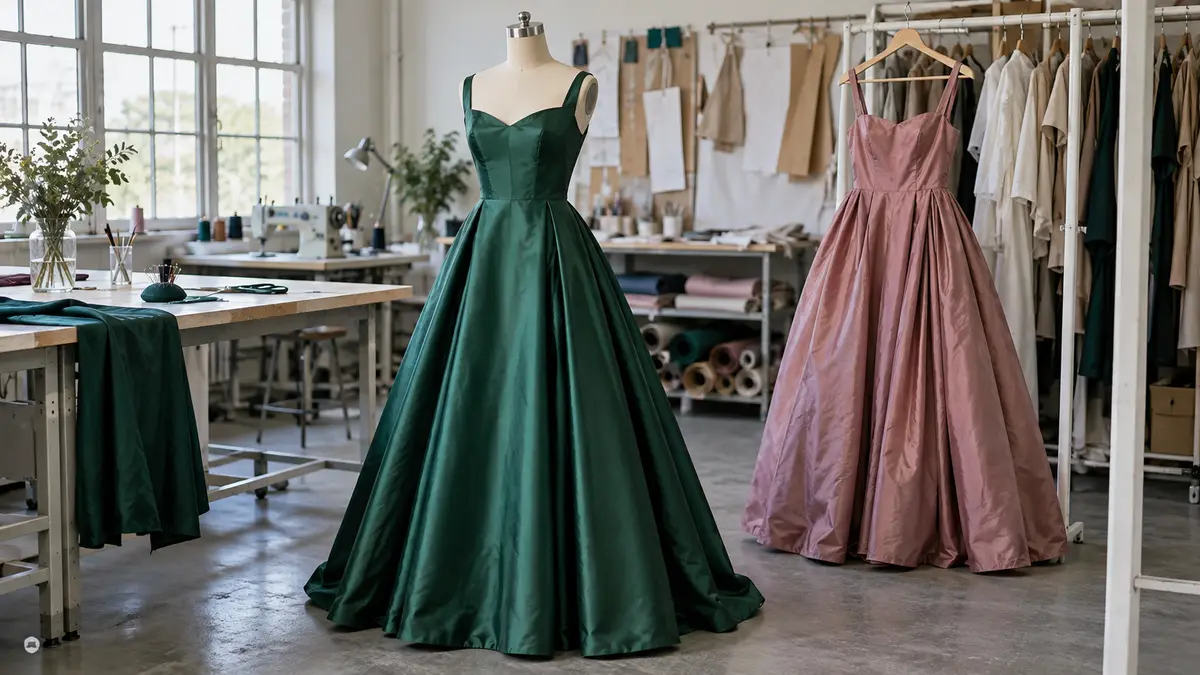
Woven prom dress duty and material controls
Read from the UK Trade Tariff on 29 September 2026, the supplied dress lines within heading 6204 carry 12% duty for goods from China. No anti-dumping or countervailing measures or suspensions are recorded for these lines. This guide covers woven prom dresses within the wider women's or girls' clothing heading.
The tariff attaches cat and dog fur and seal-product import controls, plus CITES on the other-textile batik line. Cat and dog fur products are banned from import. Seal products cannot enter Great Britain unless an exemption applies. For CITES-listed material from China, confirm the applicable permits with your customs broker; UK Border Force requires a UK import permit before releasing a specimen imported by post.
Confirm the commodity code using the garment construction and fibre details. The table reflects the supplied snapshot: its cotton and other-textile entries are specifically hand-printed batik, not general dress codes. Satin describes a fabric construction, so identify its fibre content. See the woven wedding dresses guide for wider heading coverage. For the reverse trade route, see exporting UK dresses and skirts to China.
| Goods | Commodity code | Duty | Anti-dumping or countervailing duty on China |
|---|---|---|---|
| Woven prom dresses of synthetic fibres | 6204 43 00 00 | 12% | None |
| Woven prom dresses of artificial fibres, other | 6204 44 00 90 | 12% | None |
| Cotton woven prom dresses, hand-printed by the batik method | 6204 42 00 10 | 12% | None |
| Other textile woven prom dresses, hand-printed by the batik method | 6204 49 90 10 | 12% | None |
Specify the bodice, skirt and embellishments
Provide a measurement chart with agreed tolerances for bust, waist, hip, bodice length and finished skirt length. Define cup shape, boning position, strap adjustment, back fastening and support at the neckline. Approve fit samples across the size range, including how the wearer sits and moves. For cocktail styles, see our woven cocktail dress sourcing guide.
Specify shell and lining fibres, fabric weight, colour, opacity, skirt layers, seam finish and hem construction. Agree bead and sequin placement, attachment method, spare trims and protection during packing. Labels must show fibre content. Businesses importing or selling consumer products in the UK are responsible for their safety; include checks for sharp decoration and exposed boning.
Worked duty example
Illustrative example, not a quote: Illustrative order: 500 woven synthetic-fibre prom dresses under 6204 43 00 00, invoiced at £22,000 free on board, with £1,800 of freight and insurance to the UK. The customs value is £23,800. Duty at 12% is £2,856. Import VAT at 20% is charged on the customs value plus duty, £26,656, so it is £5,331.20. Import taxes total £8,187.20; a VAT-registered importer can usually reclaim the VAT, so the lasting cost is the £2,856 of duty. The import duty and VAT guide explains each step.
Inspection checklist
Fit: measure each sampled size against the approved chart, check cup placement and waist position, and assess neckline support and movement.
Fabric and seams: check shade consistency, lining coverage, seam slippage at the waist and zip, snagging and colour transfer onto pale lining.
Trims and fastenings: check bead and sequin attachment, sharp edges, boning ends, strap stitching and zip operation with the bodice under tension.
Labels and packing: compare fibre labels with material records, check agreed care instructions and size allocation, and inspect for crushed cups, dampness and decoration marks. Agree the scope through the quality inspection guide.
Working out your own order? Send us the product on WhatsApp and we reply the same working day: WhatsApp us
What goes wrong
A sample can fit while production varies at the cups, waist or back opening. Satin seams can slip under tension, sequins can catch on the lining, and a concealed zip can jam where the waist seam becomes thick. Check production garments against the approved sample rather than relying on catalogue sizes.
Packing can flatten structured cups or press beadwork into the shell fabric. Approve the folding and protection method using a packed sample, then inspect unpacked garments on arrival. Record defects by style, colour and size so alterations and replacements address the affected stock.
Cambridge China Bridge sources these products for UK businesses, checking the factory and the documents before shipment. See factory verification. For own-brand ranges, see sourcing for brands.
Frequently asked questions
What is the UK import duty on woven prom dresses from China?
The supplied dress lines carry 12% duty, read on 29 September 2026. No anti-dumping or countervailing duty or suspension is recorded for those lines.
What commodity code applies to polyester prom dresses?
The supplied synthetic-fibre dress line is 6204 43 00 00. Confirm the finished garment's construction and fibre details before using it.
Do woven prom dresses need fibre labels?
Yes. The label must show fibre content, including fur and other animal parts. Compare the label with the actual shell, lining and trims.
What should I check before accepting a prom dress shipment?
Check fit across sizes, cup and boning placement, waist seam slippage, zip operation, embellishment security and damage caused by packing.