Sourcing woven PPS staple fabrics from China
Woven PPS staple fibre fabrics from China under heading 5512 pay a flat 8% UK duty. The heading requires at least 85% synthetic staple fibres by weight; confirm the yarn is spun staple, not continuous filament. Cambridge China Bridge sources woven PPS staple fibre fabrics.
Buying from China for a business? How our UK China sourcing agent service works · China sourcing agent for small orders and first imports
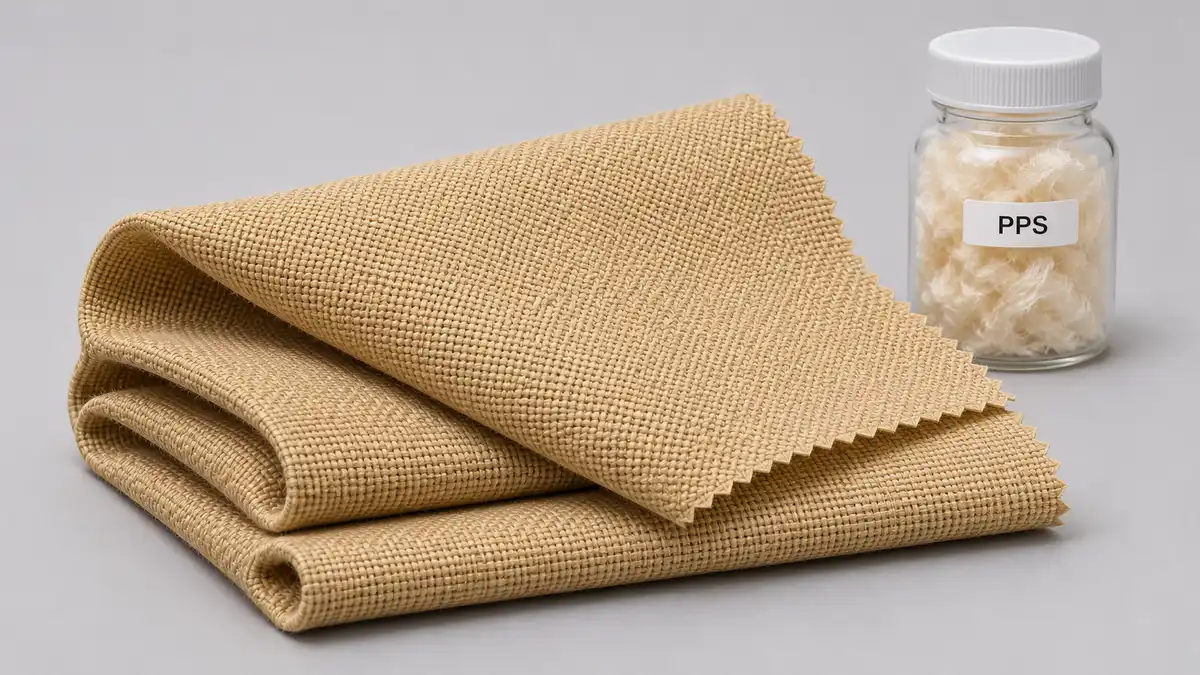
8% duty for fabrics within heading 5512
Read from the UK Trade Tariff on 2 October 2026, heading 5512 covers woven fabrics containing 85% or more synthetic staple fibres by weight. PPS means polyphenylene sulphide. For PPS staple fabrics within this heading, the relevant branch is other synthetic staple fibres. The wider heading guide also covers polyester and acrylic fabrics.
The relevant Chinese-origin lines carry 8% duty throughout. The supplied tariff record lists no anti-dumping or countervailing measures, suspensions or attached import controls. Unbleached and bleached fabrics share 5512 91 00 00; printed fabric uses 5512 99 10 00, and other fabric uses 5512 99 90 00.
Confirm the commodity code using composition, yarn construction, finish and intended use. Continuous-filament fabric belongs outside this staple-fibre heading. For coated fabric or fabric described as technical filter cloth, ask your broker to review the actual sample and specification before using the table.
| Goods | Commodity code | Duty | Anti-dumping or countervailing duty on China |
|---|---|---|---|
| Woven PPS staple fibre fabric, unbleached | 5512 91 00 00 | 8% | None |
| Woven PPS staple fibre fabric, printed | 5512 99 10 00 | 8% | None |
| Woven PPS staple fibre fabric, other finishes | 5512 99 90 00 | 8% | None |
Specify PPS yarn, weave and operating conditions
Write polyphenylene sulphide in full and state the agreed fibre composition in warp and weft. Specify spun staple yarn, yarn count, weave, thread density, mass per unit area, usable width, roll length and surface treatment. Agree whether the cloth is supplied untreated, heat-set or calendered, and retain a signed sample.
For an industrial application, give the supplier the operating temperature, exposure duration, gases or liquids, cleaning method and mechanical loading. Request tests on the finished fabric for dimensional change and retained strength after the agreed exposure. If filtration is intended, agree air permeability and the test conditions. A fibre datasheet alone does not establish fabric performance.
UK REACH generally applies to chemical substances in articles, and its restrictions can limit, ban or set conditions on substances. Ask for the identity of dyes and finishes and review applicable restrictions. Where consumer fabric falls within textile labelling rules, its label must show fibre content.
Worked duty example
Illustrative example, not a quote: Illustrative order: 1,500 metres of woven PPS staple fibre fabric under 5512 99 90 00, invoiced at £24,000 free on board, with £1,500 of freight and insurance to the UK. The customs value is £25,500. Duty at 8% is £2,040. Import VAT at 20% is charged on the customs value plus duty, £27,540, so it is £5,508. Import taxes total £7,548; a VAT-registered importer can usually reclaim the VAT, so the lasting cost is the £2,040 of duty. The import duty and VAT guide explains each step.
Inspection checklist
Identity: verify PPS content and spun staple construction against the approved sample and yarn records; check warp and weft separately where their compositions differ.
Construction: measure usable width, mass and roll length; inspect weave density, missing ends, broken picks, holes, bowing and damaged selvedges.
Performance: compare tensile strength and dimensional change after agreed heat or chemical exposure with the purchase specification; check air permeability where specified.
Traceability: match roll identifiers to the production lot, treatment records and test reports; inspect packing for moisture and contamination. Use the inspection guide to organise release checks.
Working out your own order? Send us the product on WhatsApp and we reply the same working day: WhatsApp us
What goes wrong
An order can fail when the supplier substitutes a blend, supplies filament cloth or needle-punched felt instead of woven staple cloth, or changes the weave or finish without approval. Similar appearance does not establish the agreed composition or performance.
Heat-setting variation can leave rolls with different shrinkage, while uneven finishing can change permeability. A report for raw fibre or another fabric does not demonstrate the supplied lot's performance. Compare arrival samples with the signed sample and investigate differences before cutting or processing the rolls.
Cambridge China Bridge sources these products for UK businesses, checking the factory and the documents before shipment. See factory verification. For repeat volumes, see container programmes.
Frequently asked questions
What is the UK import duty on woven PPS staple fabric from China?
For fabric classified in the relevant other-synthetic-staple lines of heading 5512, duty is 8%.
Is woven PPS cloth the same as PPS needle-punched felt?
No. Specify woven cloth made from spun staple yarn. Check the sample's yarn and weave structure rather than accepting a description such as PPS filter material.
Can I use a PPS fibre datasheet to approve the fabric?
Use it to identify the fibre, but request finished-fabric tests against your operating conditions. Check dimensional change, retained strength and any specified permeability.
Does every PPS filter fabric use heading 5512?
Do not assume so. Give your customs broker the sample, yarn construction, finish and technical use, then confirm the classification before ordering.