Sourcing woven spun aramid fabrics from China
Woven spun aramid fabrics from China under heading 5512 carry a flat 8% UK duty across the relevant finishes. This heading requires at least 85% synthetic staple fibre by weight. Specify the aramid type and blend, and match performance reports to the supplied fabric. Cambridge China Bridge sources woven spun aramid fabrics.
Buying from China for a business? How our UK China sourcing agent service works · China sourcing agent for small orders and first imports
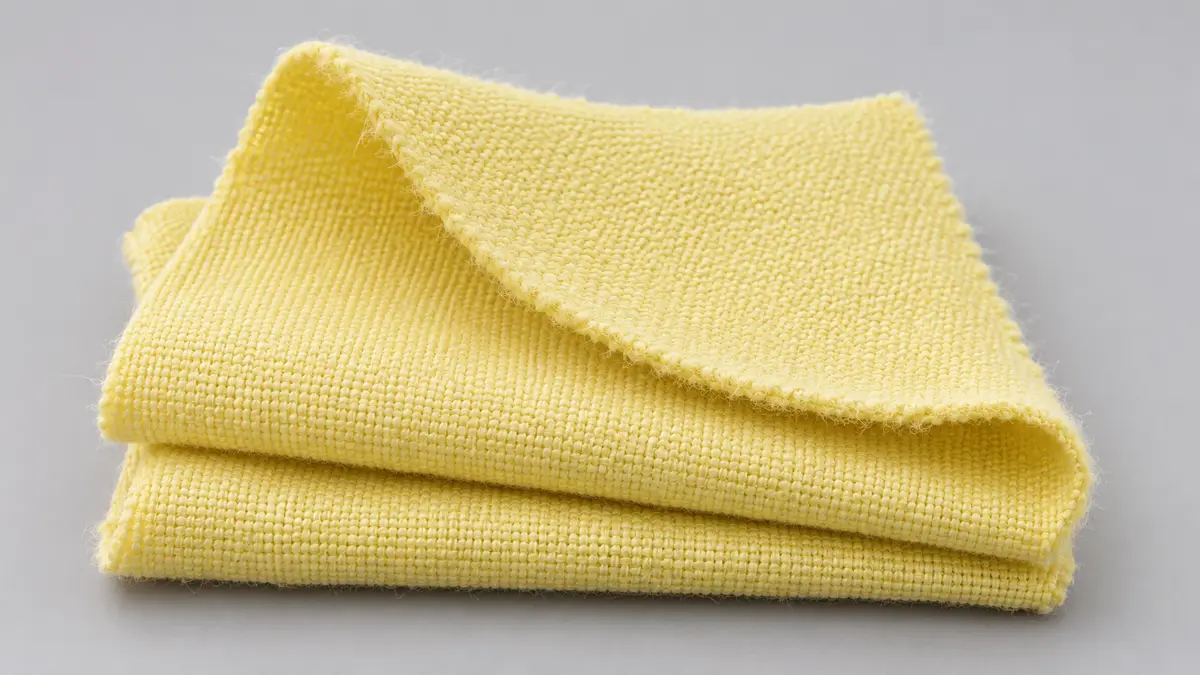
8% duty on qualifying spun aramid fabric
Read from the UK Trade Tariff on 2 October 2026, heading 5512 covers woven fabrics containing 85% or more by weight of synthetic staple fibres. For woven spun aramid fabrics qualifying within its other synthetic staple categories, unbleached or bleached, printed and other finishes carry 8% duty on goods from China. The supplied tariff records list no anti-dumping or countervailing measures, suspensions or attached import controls.
Unbleached and bleached fabrics share a commodity code and are shown separately in the table. Confirm the commodity code using fibre composition, spun yarn construction and finish. Continuous-filament fabric requires a different classification. The wider synthetic staple fabrics guide explains the heading's broader coverage.
| Goods | Commodity code | Duty | Anti-dumping or countervailing duty on China |
|---|---|---|---|
| Unbleached woven spun aramid fabric | 5512 91 00 00 | 8% | None |
| Printed woven spun aramid fabric | 5512 99 10 00 | 8% | None |
| Dyed woven spun aramid fabric | 5512 99 90 00 | 8% | None |
Specify the aramid type and finished fabric
Specify meta-aramid, para-aramid or their blend, together with every other fibre. State spun yarn construction, yarn count, weave, fabric weight, usable width, colour, finish and roll packing. Describe the intended garment or industrial use, then agree the relevant strength, shrinkage, abrasion and heat-performance tests with the laboratory.
For consumer sales, fibre composition labelling must identify the fibre content. Confirm with HSE which UK REACH restrictions on azo dyes apply to the intended skin-contact textiles, and request colour-specific test evidence where relevant. Confirm the conformity rules applicable to any protective clothing claims with the relevant product-safety authority. Agree the finished garment assessment separately from fabric testing, using testing and certification support.
Worked duty example
Illustrative example, not a quote: Illustrative order: 1,500 metres of dyed woven spun aramid fabric under 5512 99 90 00, invoiced at £24,000 free on board, with £1,500 of freight and insurance to the UK. The customs value is £25,500. Duty at 8% is £2,040. Import VAT at 20% is charged on the customs value plus duty, £27,540, so it is £5,508. Import taxes total £7,548; a VAT-registered importer can usually reclaim the VAT, so the lasting cost is the £2,040 of duty. The import duty and VAT guide explains each step.
Inspection checklist
Composition: check the production lot's fibre blend and spun yarn construction against the order, mill records and laboratory findings.
Dimensions: measure fabric weight, usable width and roll length; check bow, skew, broken yarns, knots and damaged selvedges.
Performance: compare warp and weft strength, shrinkage and agreed heat or flame test results with the specification. Match reports to the exact blend, weight and finish.
Roll identity: compare shade with the approved sample, check batch labels and inspect packaging for moisture or abrasion. Record findings through the quality inspection guide.
Working out your own order? Send us the product on WhatsApp and we reply the same working day: WhatsApp us
What goes wrong
An order described simply as aramid can leave the fibre type, blend or yarn construction unresolved. Substitutions change how the fabric behaves in cutting, sewing and use. Confirm the yarn source and retain an approved fabric sample before accepting production.
A report for a different blend, fabric weight or finish does not establish the supplied fabric's performance. Rolls may also vary in shade, usable width or shrinkage. Take production-lot samples and compare them with the agreed specification before shipment and on arrival.
Cambridge China Bridge sources these products for UK businesses, checking the factory and the documents before shipment. See factory verification. For repeat volumes, see container programmes.
Frequently asked questions
What is the UK import duty on woven spun aramid fabric from China?
The relevant heading 5512 lines carry 8% duty.
Does aramid filament fabric use the same commodity code?
Continuous-filament fabric requires a different classification. Confirm that the yarn is spun from staple fibres, then check composition and finish before choosing the code.
What should I put in an aramid fabric specification?
State the aramid type, full fibre blend, spun yarn construction, weave, weight, usable width, colour and finish. Agree performance tests for the intended use.
Is a fabric test report enough for protective clothing?
Agree assessment of the finished garment separately; match fabric reports to the actual blend, weight and finish.