Sourcing women's knitted capes from China
Women's knitted capes from China carry 12% UK duty across the relevant fibre lines, with no anti-dumping duty or suspension listed. Fibre content must be labelled, and animal trims need checking against the attached import controls. Cambridge China Bridge sources women's knitted capes.
Buying from China for a business? How our UK China sourcing agent service works · China sourcing agent for small orders and first imports
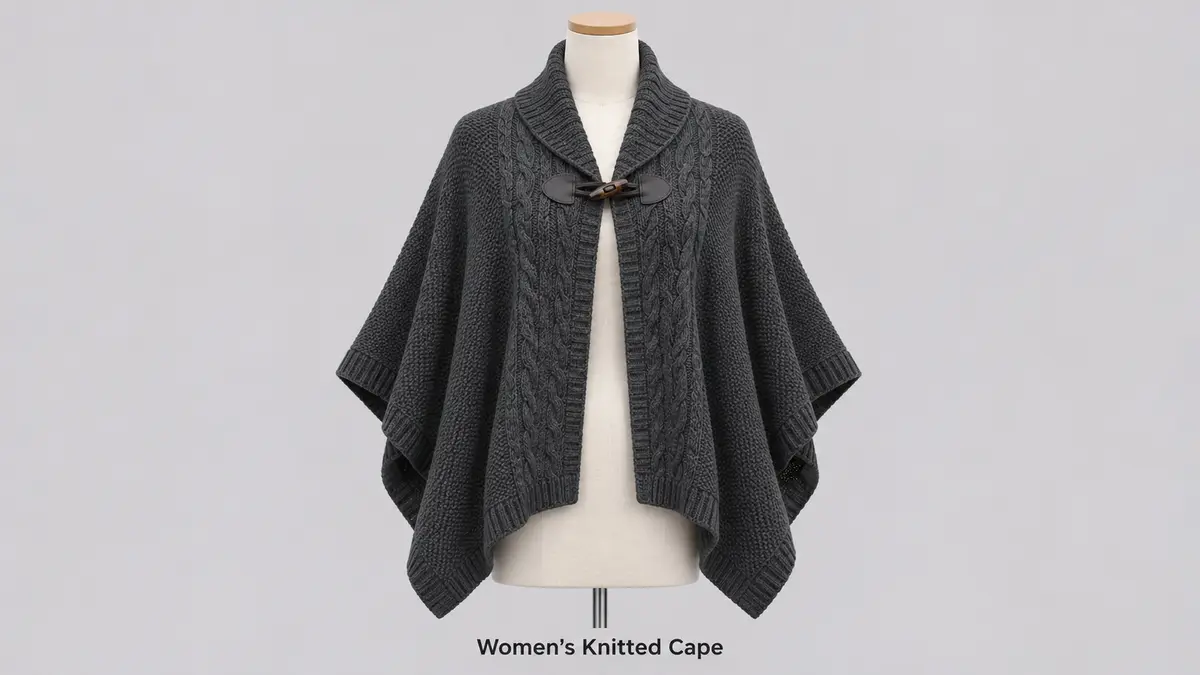
UK duty on women's knitted capes
Read from the UK Trade Tariff on 22 November 2026, heading 6102 covers women's or girls' knitted or crocheted outerwear, including capes. The table selects cape lines by textile material. For the wider heading, see women's knitted overcoats.
All selected lines carry 12% duty for goods from China. The supplied tariff data lists no anti-dumping or countervailing duty and no suspensions. Cat and dog fur imports are banned. Seal-product controls attach to every selected line; confirm the requirement for any seal material with your customs broker. CITES controls also attach to the wool or fine animal hair and other textile material lines; CITES specimens require an import permit.
Confirm the commodity code using the finished cape, its construction and fibre composition. Do not classify a garment solely from the supplier's description. Agree whether the product is an outerwear cape or a different knitted garment before ordering.
| Goods | Commodity code | Duty | Anti-dumping or countervailing duty on China |
|---|---|---|---|
| Women's knitted capes of wool or fine animal hair, other | 6102 10 10 90 | 12% | None |
| Women's knitted capes of cotton | 6102 20 10 00 | 12% | None |
| Women's knitted capes of man-made fibres | 6102 30 10 00 | 12% | None |
| Women's knitted capes of other textile materials | 6102 90 10 00 | 12% | None |
Specify the cape's drape and shoulder fit
Specify fibre composition, yarn, knit structure, fabric weight, shoulder shaping, neckline, front opening and fastening. Record front and back length, hem sweep, arm-opening position and measurement tolerances. Approve the cape over the clothing it is intended to cover, checking that the neckline stays in place when the wearer moves.
Agree pilling, shrinkage, stretch recovery and colour-transfer checks against the approved sample. Specify fringe attachment, edge finishing, lining and any animal trims separately. For sale in Great Britain, the label must show fibre content, including fur and other animal parts. Consumer products supplied in Great Britain must be safe.
Worked duty example
Illustrative example, not a quote: 500 women's knitted capes; illustrative order only under 6102 30 10 00, invoiced at £18,000 free on board, with £1,200 of freight and insurance to the UK. The customs value is £19,200. Duty at 12% is £2,304. Import VAT at 20% is charged on the customs value plus duty, £21,504, so it is £4,300.80. Import taxes total £6,604.80; a VAT-registered importer can usually reclaim the VAT, so the lasting cost is the £2,304 of duty. The import duty and VAT guide explains each step.
Inspection checklist
Shape: measure neckline, shoulder position, front and back length and hem sweep; check the cape hangs evenly and arm openings sit correctly.
Knit: compare yarn and weight with the approved sample; check dropped stitches, snagging, pilling and distortion after the agreed cleaning test.
Fastenings: check buttons, hooks and ties hold securely, edges do not curl excessively and fringe does not pull free during handling.
Labels and packing: check fibre wording against the specification, verify trim identity and inspect arrival cartons for dampness, odour and crushed folds. Use the inspection guide to organise the checks.
Working out your own order? Send us the product on WhatsApp and we reply the same working day: WhatsApp us
What goes wrong
A cape can match the flat measurements yet slip backwards when worn, restrict arm movement or hang unevenly. Loose knitting can stretch at the neckline, while heavy fringe pulls the hem out of shape. Check a finished sample in wear and after cleaning before approving production.
Bulk yarn substitutions can change drape, pilling and the accuracy of the fibre label. Compare each colour with its approved sample and keep the agreed yarn and trim details with the order. Investigate unexplained changes in handle, shedding or animal-material descriptions before accepting the batch.
Cambridge China Bridge sources these products for UK businesses, checking the factory and the documents before shipment. See factory verification. For own-brand ranges, see sourcing for brands.
Frequently asked questions
What is the UK import duty on women's knitted capes from China?
The selected cape lines carry 12% duty. The tariff data read on 22 November 2026 lists no anti-dumping or countervailing duty and no suspensions.
Do women's knitted capes need a fibre label?
Agree the wording before production and check it against the supplied materials.
Can I import capes with fur trim from China?
Cat and dog fur imports are banned. CITES specimens require an import permit. The tariff also attaches seal-product controls; ask your customs broker to confirm the requirement for the exact trim.
What should I check on a knitted cape sample?
Check shoulder fit, neckline stability, arm movement, hem balance and fastening security. Compare drape before and after cleaning, and inspect for pilling, snagging and loose fringe.