Sourcing Wheat Groats from China
Wheat groats from China attract UK duty of £155.00 to £223.00 per 1000kg, depending on wheat type. Imported cereals must meet the same or equivalent food hygiene standards as food produced in Great Britain. Agree particle size and batch testing before ordering. Cambridge China Bridge sources wheat groats.
Buying from China for a business? How our UK China sourcing agent service works · China sourcing agent for small orders and first imports
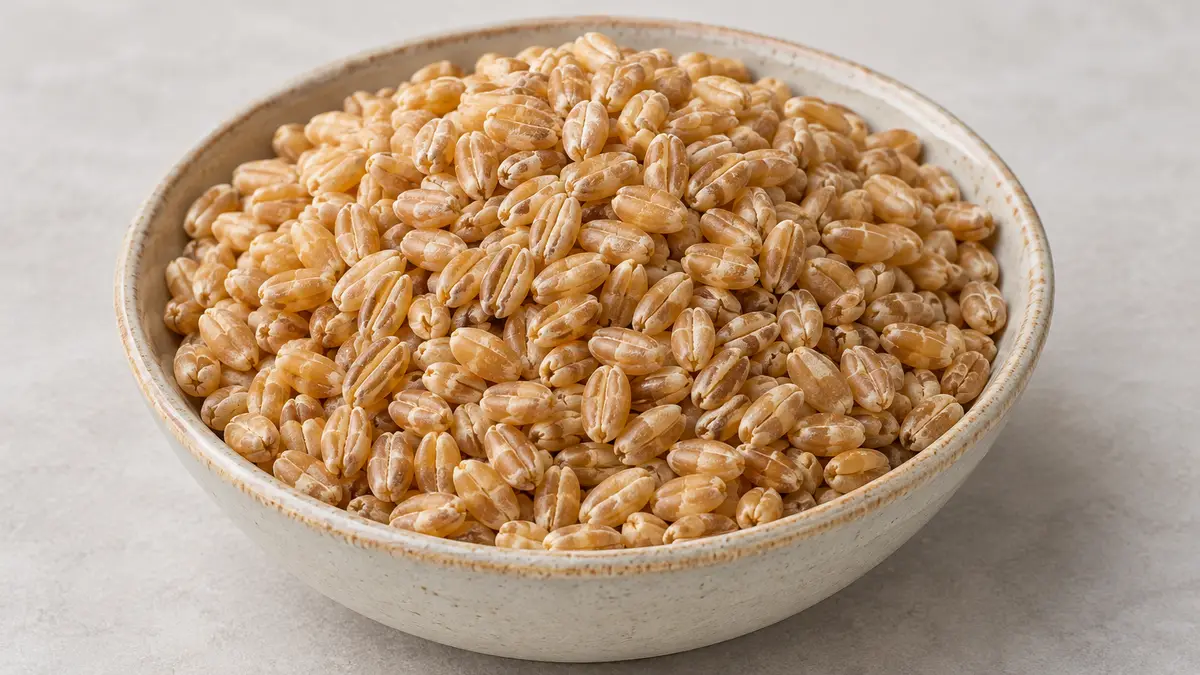
Wheat-groat classification and UK duty
Heading 1103 covers cereal groats, meal and pellets. This guide concerns wheat groats: durum wheat under 1103 11 10 00 and common wheat or spelt under 1103 11 90 00. For other cereals and forms, see cereal groats and meal.
Read from the UK Trade Tariff on 29 September 2026, the supplied records show duty for goods from China of £223.00 per 1000kg for durum wheat and £155.00 per 1000kg for common wheat and spelt. These are weight-based duties. The records list no anti-dumping or countervailing duty and no suspension for these lines. Both carry an import control of organic products.
For organic wheat groats from China entering Great Britain, obtain a consignment certificate of inspection and check the exporter’s control body and country against the recognised organic registers. Your importing business must be certified by an approved UK organic control body. Confirm the wheat type and processing description with your customs broker using finding your commodity code.
| Goods | Commodity code | Duty | Anti-dumping or countervailing duty on China |
|---|---|---|---|
| Durum wheat groats | 1103 11 10 00 | £223.00 per 1000 kg | None |
| Common wheat and spelt groats | 1103 11 90 00 | £155.00 per 1000 kg | None |
Specify the wheat and the milling result
Specify durum, common wheat or spelt, and describe whether the grain is hulled, pearled, cut or crushed. State whether it is raw or has undergone cooking or other processing. Agree a sieve profile, maximum fines, moisture acceptance criteria and the cooking texture you need. Keep an approved sample for comparison.
Ask for batch-linked laboratory evidence covering the contaminants and pesticide residues selected for your product assessment. Record the sampling method and match the report to the shipment. Imported cereals must meet the same or equivalent food hygiene standards and procedures as food produced in Great Britain. Use testing and certification support to agree the testing brief.
Inspection checklist
Identity: compare the wheat type, processing description and cooking result with the approved sample.
Condition: check for dampness, clumping, musty odour, insects, foreign material and excessive fines; compare sieve and moisture results with the agreed specification.
Packaging: check bag seals, liner condition, net weight and batch markings against the packing list and laboratory reports.
Labels and documents: check the artwork for the intended sales format. Prepacked food must carry an ingredients list with allergens emphasised each time they appear. For organic stock, check the consignment certificate and recognised certification route.
What goes wrong
A supplier’s description of coarse wheat can conceal a different particle distribution or processing method. Excess fines change cooking behaviour, while a damp liner or leaking seam can leave stock clumped or musty. Compare arrival samples with the approved sample before releasing the batch.
A report for a previous batch does not establish the condition of the shipment received. Ask for matching batch identifiers and investigate discrepancies. For organic purchases, check the recognised certification route before ordering and arrange the consignment certificate before dispatch.
Cambridge China Bridge sources these products for UK businesses, checking the factory and the documents before shipment. See factory verification. For repeat volumes, see container programmes.
Frequently asked questions
What is the UK import duty on wheat groats from China?
The supplied tariff records show £223.00 per 1000kg for durum wheat and £155.00 per 1000kg for common wheat and spelt. Duty is based on weight, rather than a percentage of value.
Do wheat groats need a health certificate?
FSA guidance says cereals and cereal products do not normally need a health certificate. Confirm the position for your exact product and shipment with your customs broker.
Can I import organic wheat groats from China?
Check the exporter’s control body and country against the recognised organic registers. A consignment certificate of inspection and certification of your importing business are required for Great Britain.
What should I specify when buying wheat groats?
Specify the wheat type, processing method, sieve profile, fines, moisture acceptance criteria, cooking texture, packaging and batch-linked testing evidence. Retain an approved sample.