Sourcing Sorghum Groats from China
For sorghum groats provisionally classified under 1103 19 90 00, the supplied tariff record shows £82.00 per 1000kg, rather than a percentage duty range. Imported cereals must meet the same or equivalent food hygiene standards and procedures as food produced in Great Britain. Cambridge China Bridge sources sorghum groats.
Buying from China for a business? How our UK China sourcing agent service works · China sourcing agent for small orders and first imports
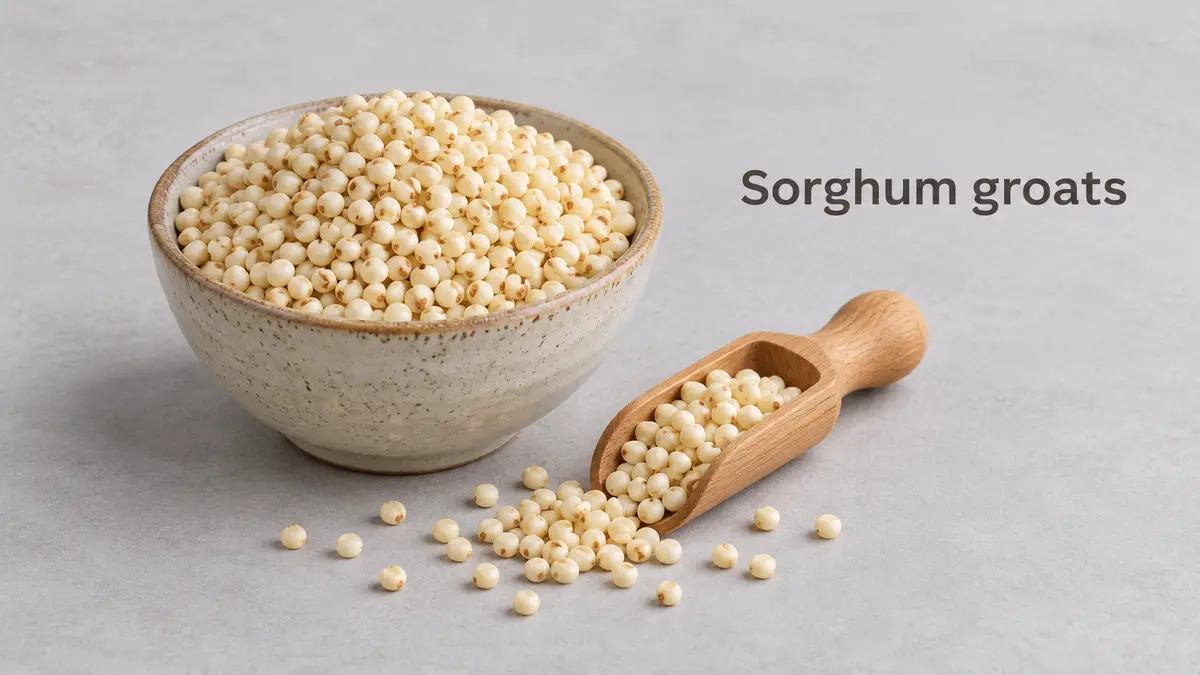
Sorghum groats: UK duty and organic controls
Heading 1103 covers cereal groats, meal and pellets. For sorghum groats, the relevant candidate in the supplied record is 1103 19 90 00, covering groats and meal of other cereals. Confirm the actual processing before using it. The supplied facts contain only this relevant commodity line, so the table is limited to it. See the millet groats guide for the wider heading.
Read from the UK Trade Tariff on 29 September 2026, the supplied record shows China-origin duty of £82.00 per 1000kg for this line, with no recorded anti-dumping or countervailing duty or suspension. It attaches an organic-products import control. Organic food imported from China into Great Britain needs a certificate of inspection for each consignment, and the exporter’s control body and export country must appear on the non-UK organic registers.
Give your customs broker the sorghum identity, milling description, sample photographs and intended use, then confirm your commodity code. The duty is charged by weight. None of the supplied lines has a plain percentage duty, so the requested percentage-based order example cannot be provided accurately; its value fields are unused placeholders.
| Goods | Commodity code | Duty | Anti-dumping or countervailing duty on China |
|---|---|---|---|
| Sorghum groats, subject to confirmation of processing and classification | 1103 19 90 00 | £82.00 per 1000 kg | None |
Specify the sorghum and the milling finish
Describe the purchase as plain sorghum groats for human consumption. Agree grain colour, dehulling and polishing, whether the groats are whole or broken, and the acceptable balance of coarse pieces and fine meal. Keep an approved sample for comparison. Ask the processor to describe the milling route rather than relying on a translated product name.
Agree moisture, foreign-material and sensory acceptance criteria, pack material, sealing method and storage instructions. Request batch-specific laboratory results for your agreed contaminant checks and ask how shared equipment is cleaned between cereals.
For an organic order, obtain confirmation of the importer’s certification by an approved UK control body before ordering. Check the exporter’s organic status and the consignment paperwork separately from the grain specification. For retail packs, the packaging or food label must include the name and address of the business marketing or importing the food.
Inspection checklist
Identity and finish: compare grain colour, dehulling, polishing and particle distribution with the approved sorghum sample.
Condition: check for insects, webbing, mould, damp clumps, foreign material and musty or rancid odours; photograph affected bags and retain samples.
Batch evidence: match bag markings to the packing list and laboratory sample identity; compare the reported results with your agreed specification.
Packaging: check seams, liners, moisture damage and legibility of batch markings; compare printed artwork with the approved version. Arrange testing and certification support where needed.
What goes wrong
A processor may supply groats with more bran, finer meal or a different grain colour than the approved sample. These differences can change appearance and cooking behaviour. Record the milling finish and run a cooking comparison before accepting the production batch. Treat unexplained differences as a reason to investigate.
An organic logo or supplier certificate does not replace the consignment certificate of inspection required for organic imports from China into Great Britain. Damp bags and a laboratory report that cannot be matched to the delivered batch are separate acceptance problems. Hold affected stock while you establish its condition and identity.
Cambridge China Bridge sources these products for UK businesses, checking the factory and the documents before shipment. See factory verification. For repeat volumes, see container programmes.
Frequently asked questions
What is the UK import duty on sorghum groats from China?
The supplied record shows £82.00 per 1000kg under candidate code 1103 19 90 00. This is weight-based duty. Confirm that the processing matches this classification.
Do organic sorghum groats need extra import paperwork?
Yes. Organic food from China entering Great Britain needs a certificate of inspection for each consignment. Check the exporter’s control body and export country against the non-UK organic registers.
What should I specify when buying sorghum groats?
Specify grain colour, dehulling, polishing, whole or broken pieces, particle distribution, moisture, foreign material and packaging. Keep an approved sample and compare cooking behaviour.
What should I check when sorghum groats arrive?
Check milling consistency, insects, mould, odour, damp clumps and bag damage. Match the delivered batch to its packing documents and laboratory results before accepting it.