Sourcing Rye Groats from China
Rye groats from China have a single listed UK duty rate of £143.00 per 1000kg, rather than a percentage range. Imported cereals must meet the same or equivalent food hygiene standards and procedures as food produced in Great Britain. Cambridge China Bridge sources rye groats.
Buying from China for a business? How our UK China sourcing agent service works · China sourcing agent for small orders and first imports
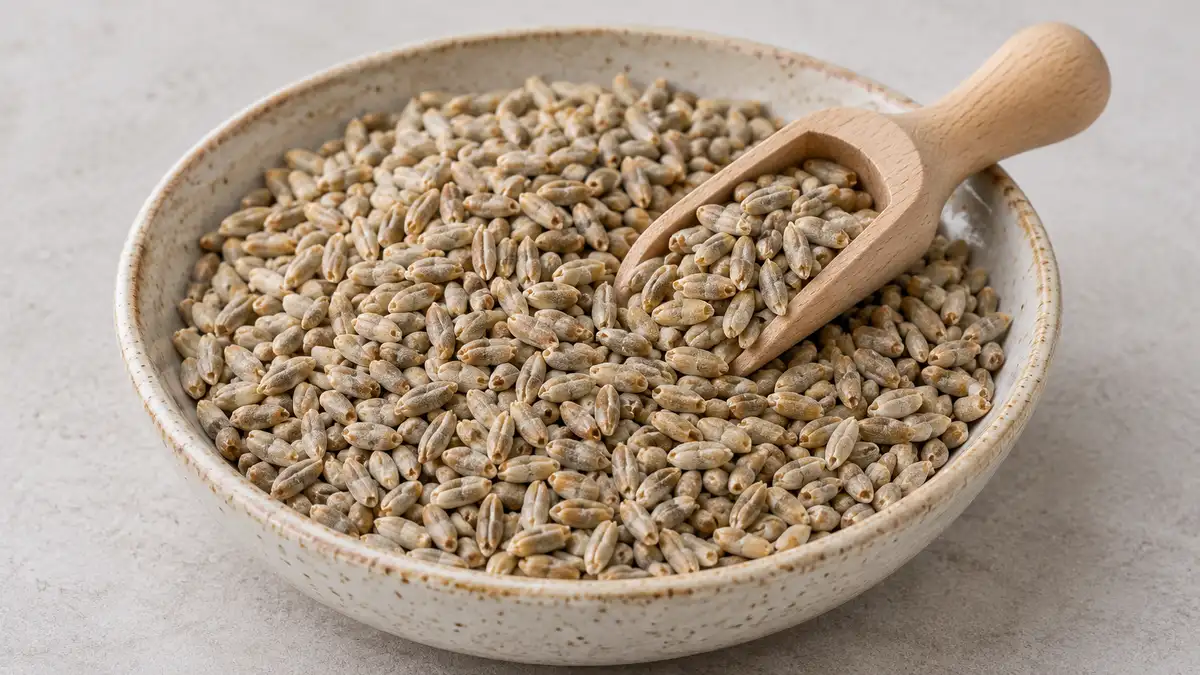
Rye groats: UK duty and organic controls
Heading 1103 covers cereal groats, meal and pellets. This guide focuses on rye groats, with rye groats and meal listed under 1103 19 20 90. Compare the wider heading in our barley groats guide.
Read from the UK Trade Tariff on 29 September 2026, the listed duty for rye groats from China is £143.00 per 1000kg. The supplied tariff record lists no anti-dumping or countervailing duty and no suspension for this line. It attaches an import control for organic products.
Organic consignments from China require a certificate of inspection. Your company must be based and certified in the UK to import organic products. Confirm the consignment documents with your customs broker before shipment. Use finding your commodity code to check the classification against the actual grain processing and presentation.
| Goods | Commodity code | Duty | Anti-dumping or countervailing duty on China |
|---|---|---|---|
| Rye groats and meal | 1103 19 20 90 | £143.00 per 1000 kg | None |
Specify rye identity, cut and cooking performance
Specify rye, the intended food use, the degree of pearling and whether the groats are coarse or finely cut. Agree particle-size distribution, acceptable flour and broken-grain content, moisture specification and foreign-material criteria. Keep an approved sample for comparison.
Trial the sample in your intended recipe. Record the cooking method, texture and water absorption you want the production batch to match. Ask for batch-linked analysis and agree testing for the contaminants relevant to your grain and process through testing and certification.
Inspection checklist
Identity and cut: compare the delivered grain with the approved rye sample; check pearling, particle size and excessive fines.
Condition: inspect representative bags for insects, mould, musty odour, damp clumps and foreign material. Keep suspect stock separate while investigating.
Documents and labels: match batch references across bags, delivery records and analysis reports. Where an ingredients list is used, check that rye is emphasised as the allergenic ingredient.
Packaging: check liners, seals and bags for tears or moisture damage; compare net weight and storage instructions with the purchase specification.
What goes wrong
A sample described only as groats leaves the cereal identity and processing unclear. A different cut or pearling level can change cooking texture, while excess fines can make a batch unsuitable for the agreed recipe. Put these characteristics in the purchase specification.
An acceptable appearance does not establish the results of contaminant testing. Check that the analysis identifies the delivered batch and covers the tests you agreed. For organic orders, settle certification and consignment-document arrangements before accepting an organic claim on the packaging.
Cambridge China Bridge sources these products for UK businesses, checking the factory and the documents before shipment. See factory verification. For repeat volumes, see container programmes.
Frequently asked questions
What is the UK import duty on rye groats from China?
The supplied tariff record lists £143.00 per 1000kg under 1103 19 20 90. This is weight-based duty, not a percentage.
Can I use the barley groats commodity code for rye?
The supplied facts distinguish barley groats from the rye groats and meal line. Check the actual cereal and processing before choosing the code.
What documents do organic rye groats need?
Organic consignments need a certificate of inspection. Your company must be based and certified in the UK to import organic products. Confirm the shipment documents with your customs broker.
What should I check when rye groats arrive?
Check cereal identity, cut, pearling, fines, odour, insects and packaging damage. Match the delivered batch to its analysis report and compare cooking performance with the approved sample.