Sourcing Sorghum Meal from China
The supplied tariff gives sorghum meal a single duty of £82.00 per 1000kg under the other-cereal meal line. Imported cereal products must meet the same or equivalent food hygiene standards and procedures as food produced in Great Britain. Cambridge China Bridge sources sorghum meal.
Buying from China for a business? How our UK China sourcing agent service works · China sourcing agent for small orders and first imports
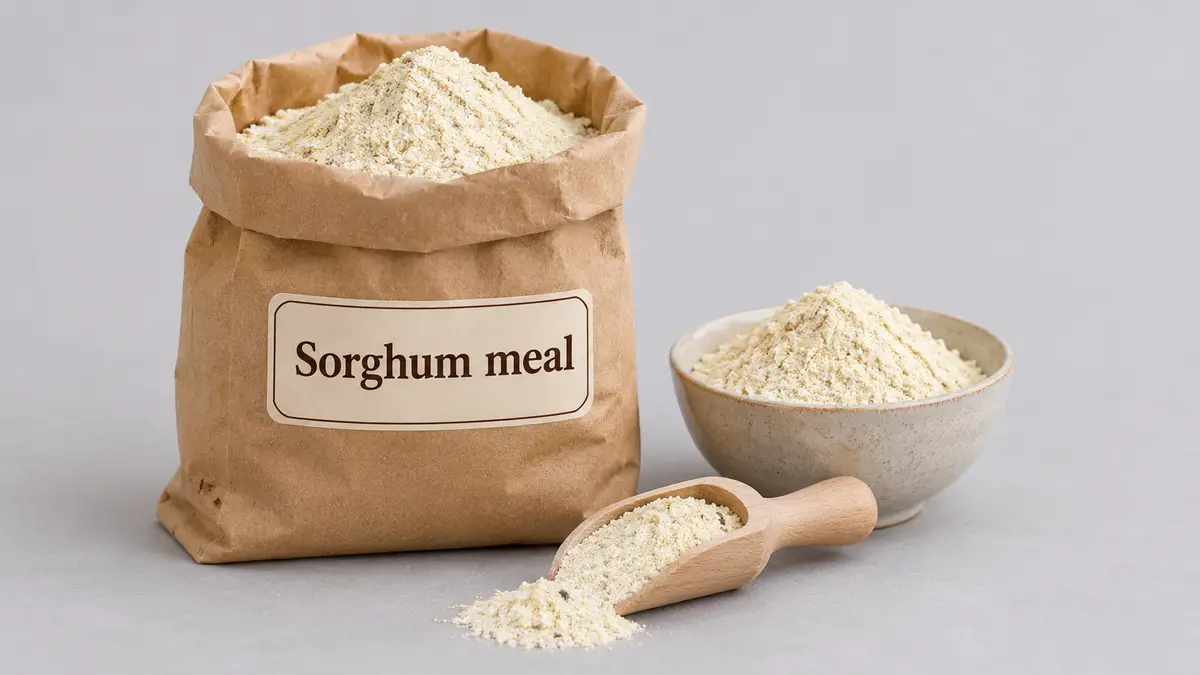
Sorghum meal duty and import controls
Heading 1103 covers cereal groats, meal and pellets. For sorghum meal, the relevant candidate in the supplied facts is 1103 19 90 00, covering groats and meal of other cereals. This guide concerns plain meal intended for food use. The supplied data contains only this relevant meal line, so the table does not add unrelated cereals.
Read from the UK Trade Tariff on 29 September 2026, the supplied China duty is £82.00 per 1000kg. This is a weight-based charge. The supplied line lists no anti-dumping or countervailing duty and no suspension. It attaches an organic import control. Organic consignments from China into Great Britain need a certificate of inspection, with the exporter’s control body and export country checked against the non-UK organic registers.
Confirm the milling description, composition and intended use with your broker before using this code. Use finding your commodity code, and compare the sorghum groats guide for the wider heading. For organic purchases, the importing business must be UK-based and certified by an approved UK organic control body.
| Goods | Commodity code | Duty | Anti-dumping or countervailing duty on China |
|---|---|---|---|
| Sorghum meal, subject to confirmation of milling classification | 1103 19 90 00 | £82.00 per 1000 kg | None |
Specify the milling and intended food use
Specify sorghum variety, colour, wholegrain or decorticated material, particle-size distribution and the proportion of bran. Agree moisture, foreign-matter and odour acceptance criteria with the mill. Approve a representative sample in your intended recipe, checking texture, water absorption and cooked flavour.
Ask for the ingredient declaration, milling process, shared-line information and batch-linked laboratory reports. Agree a testing plan with a food laboratory covering relevant mycotoxins, pesticide residues and microbiological risks. Official cereal guidance identifies legal controls on aflatoxin and fusarium toxin contamination. Treat visual inspection and laboratory testing as separate checks.
For prepacked meal sold in Great Britain, check the food business operator’s UK address on the label and the applicable durability date. Allergen information must be provided. Ask the mill about wheat or barley handled on shared equipment before approving any gluten-related claim or precautionary wording.
Inspection checklist
Meal: compare colour, particle distribution and bran content against the approved sample; investigate unexpected grit or foreign matter.
Condition: inspect for damp clumps, insects, musty or rancid odours, torn sacks and damaged liners. Hold suspect stock apart while you investigate.
Batch evidence: match sack identifiers, packing records and laboratory reports to the delivered lot. Keep the required supplier and business-customer traceability records.
Packaging and labels: check seals, net weight against the order, date marking and approved artwork. For organic orders, match the inspection certificate to the consignment before accepting the paperwork.
What goes wrong
A sample can cook differently from bulk meal when milling becomes finer, bran content changes or another sorghum variety is substituted. Put the agreed milling profile and recipe trial into the purchase specification. Compare arrival samples before releasing the lot for production.
A clean-looking sample cannot settle a contamination question, and a laboratory report for another batch does not establish the condition of yours. Damp packaging and missing batch links also complicate acceptance. If food appears unsafe or of poor quality, do not use it and contact the supplier straight away.
Cambridge China Bridge sources these products for UK businesses, checking the factory and the documents before shipment. See factory verification. For repeat volumes, see container programmes.
Frequently asked questions
What is the UK import duty on sorghum meal from China?
The supplied tariff lists £82.00 per 1000kg for 1103 19 90 00. It lists no anti-dumping or countervailing duty and no suspension for that line. Confirm that your milling specification belongs there.
What should I specify when buying sorghum meal?
Agree variety, colour, wholegrain or decorticated material, particle distribution, bran content, moisture, packaging and batch testing. Approve a sample in the recipe you intend to use.
Can I import organic sorghum meal from China?
For Great Britain, arrange importer certification and a consignment certificate of inspection. Check the exporter’s control body and export country against the non-UK organic registers before ordering.
What should I check when sorghum meal arrives?
Check sacks, liners, seals, moisture damage, insects, odour and milling consistency. Match the delivered batch to its laboratory reports and packing records. Hold suspect stock pending investigation.