Sourcing virgin coconut oil from China
Virgin coconut oil from China, if classified as crude edible coconut oil, carries 6% to 12% UK duty depending on immediate pack size. Food must meet general food safety requirements; organic consignments need separate import documentation. Cambridge China Bridge sources virgin coconut oil.
Buying from China for a business? How our UK China sourcing agent service works · China sourcing agent for small orders and first imports
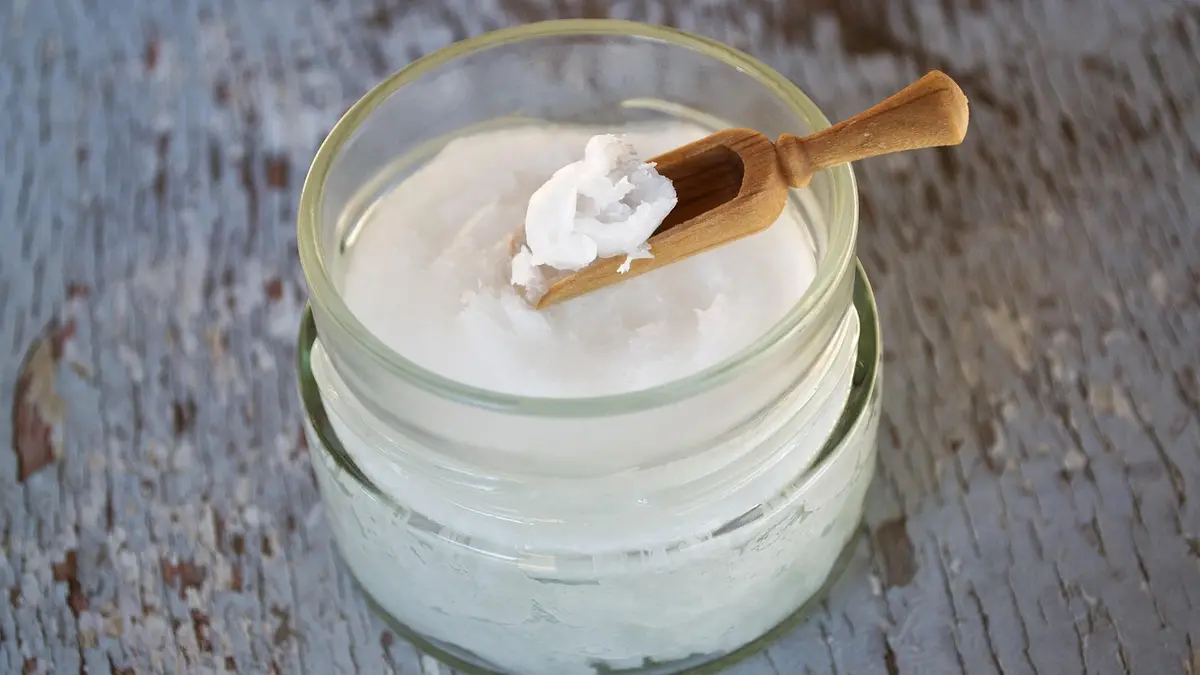
Duty depends on use and immediate pack size
Read from the UK Trade Tariff on 29 September 2026, heading 1513 covers coconut, palm kernel and babassu oils and fractions, whether refined or not, but not chemically modified. For virgin coconut oil classified as crude and imported for food, 1513 11 91 00 carries 12% in immediate packs not exceeding 1 kg; larger packs under 1513 11 99 00 carry 6%. Neither food line has a suspension.
The technical-use comparison rows carry 2%, with a suspension to 0% for the specified manufacture under 1513 11 10 20, excluding mixtures and preparations. These are non-food uses. The supplied heading data records no anti-dumping or countervailing duty. It attaches organic import control to 1513 11 99 00 and waste import and export controls to every selected line. Waste shipment controls apply only when the material is waste; ask your broker to confirm the declaration requirement for fresh oil.
Organic food from China entering Great Britain needs a certificate of inspection for each consignment and checks against the non-UK organic registers. Confirm the commodity code using processing records, intended use and immediate pack weight, rather than the word virgin alone. The table includes conditional industrial alternatives, not interchangeable food codes. See the wider coconut and palm kernel oil guide.
| Goods | Commodity code | Duty | Anti-dumping or countervailing duty on China |
|---|---|---|---|
| Crude coconut oil for food, immediate packs not exceeding 1 kg | 1513 11 91 00 | 12% | None |
| Crude coconut oil for food, larger immediate packs | 1513 11 99 00 | 6% | None |
| Crude coconut oil for other non-food technical or industrial uses | 1513 11 10 90 | 2% | None |
| Crude coconut oil for specified industrial manufacture only | 1513 11 10 20 | 2% | None |
Specify extraction, identity and intended use
Specify edible virgin coconut oil and ask the processor to describe extraction, filtration, heating and any refining or deodorisation. Agree whether coconut aroma is required, acceptable colour and sediment, moisture, free fatty acids and peroxide value. Set acceptance criteria with your laboratory instead of accepting a supplier's generic certificate.
Record coconut origin separately from the Chinese processing and packing location. Agree drum or jar materials, closures, storage instructions and remaining shelf life on arrival. Food intended for human consumption must meet general food safety legal requirements. This guide addresses edible oil; agree a separate compliance brief before buying it as a finished cosmetic.
Worked duty example
Illustrative example, not a quote: Illustrative order: 10 tonnes of edible virgin coconut oil in bulk drums under 1513 11 99 00, invoiced at £30,000 free on board, with £2,500 of freight and insurance to the UK. The customs value is £32,500. Duty at 6% is £1,950. Import VAT at 20% is charged on the customs value plus duty, £34,450, so it is £6,890. Import taxes total £8,840; a VAT-registered importer can usually reclaim the VAT, so the lasting cost is the £1,950 of duty. The import duty and VAT guide explains each step. This assumes the goods are standard-rated for VAT. Most food for human consumption is zero-rated, and animal feed can be too, in which case no import VAT is due, so check the rate for your product in HMRC's VAT Notice 701/14.
Inspection checklist
Identity: match extraction records, ingredient declaration and batch analysis to the agreed virgin oil specification; investigate signs of blending or substituted refined oil.
Condition: compare retained and arrival samples for aroma, colour, sediment and rancidity; arrange laboratory checks for moisture, free fatty acids and peroxide value.
Packing: check drum seams, lid seals, jar closures, leakage and net contents; match batch markings across containers and paperwork.
Documents: reconcile the invoice, packing list and analysis certificate; for organic food, check the consignment's certificate of inspection and exporter control-body details. Plan sampling through our inspection guide.
Working out your own order? Send us the product on WhatsApp and we reply the same working day: WhatsApp us
What goes wrong
A supplier's virgin description may hide processing that differs from your specification. Oil can arrive with unwanted odour, excess sediment or leaking closures. A generic analysis certificate may describe a different batch. Keep an approved sample and connect the production lot, laboratory sample and shipment records.
Using an industrial-use code for food, or confusing carton weight with immediate pack weight, can undermine the duty calculation. Organic paperwork is a separate check from product quality. Resolve processing, packing and document discrepancies before dispatch.
Cambridge China Bridge sources these products for UK businesses, checking the factory and the documents before shipment. See factory verification. For repeat volumes, see container programmes.
Frequently asked questions
What is the UK import duty on virgin coconut oil from China?
If classified as crude edible coconut oil, duty is 12% under 1513 11 91 00 for immediate packs not exceeding 1 kg, or 6% under 1513 11 99 00 for larger packs, according to the supplied tariff reading.
Does calling coconut oil virgin determine its commodity code?
Confirm the code using extraction and processing records, intended use and immediate pack weight. Ask the broker to assess the actual product before declaring it as crude coconut oil.
What documents does organic coconut oil from China need?
For Great Britain, obtain a certificate of inspection for each consignment and check the export country and exporter’s control body against the non-UK organic registers.
What should I test before accepting a batch?
Agree checks for identity, aroma, moisture, free fatty acids and peroxide value. Match the laboratory sample and analysis certificate to the shipment batch, and inspect closures for leakage.