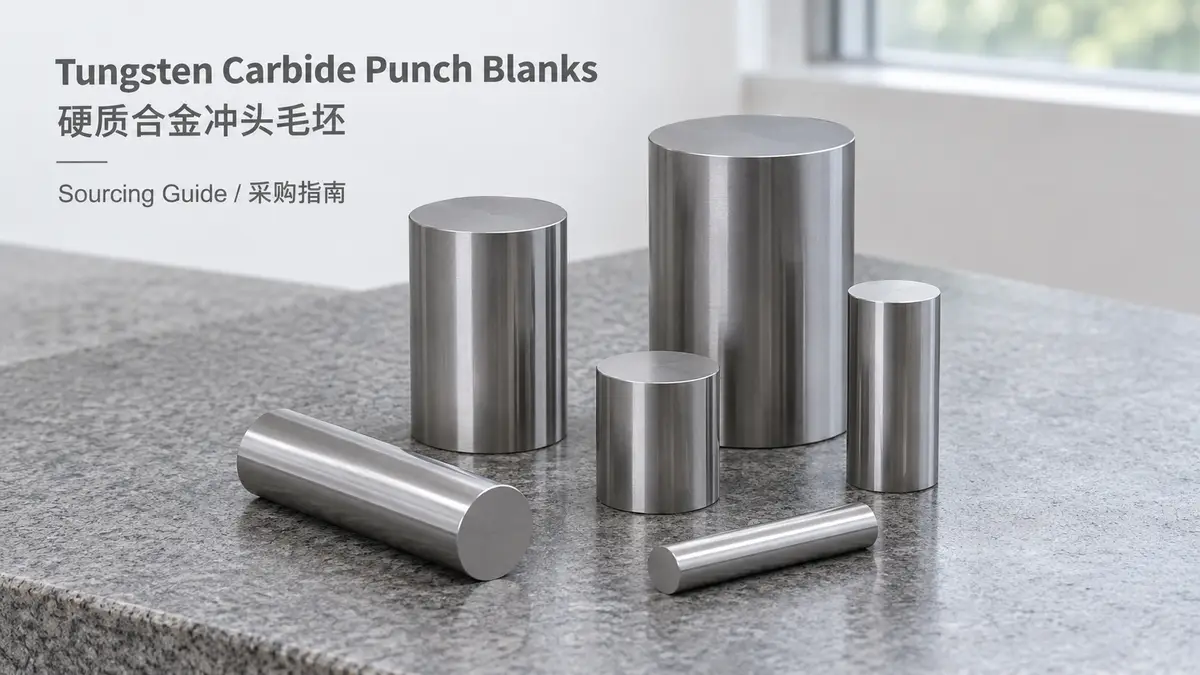
Sourcing unmounted carbide punch blanks from China
Unmounted carbide punch blanks covered by heading 8209 carry 0% UK duty from China, with no duty variation in the supplied tariff record. Confirm the applicable safety duties for articles supplied for use at work with HSE, and obtain adequate safe-use information. Cambridge China Bridge sources unmounted carbide punch blanks.
Buying from China for a business? How our UK China sourcing agent service works · China sourcing agent for small orders and first imports
Duty and classification for punch blanks
Read from the UK Trade Tariff on 4 October 2026, heading 8209 covers plates, sticks, tips and similar tool products, unmounted, of cermets. For carbide punch blanks within this heading, the relevant candidate is 8209 00 80 00, “Other”. The table shows product variants sharing this code, rather than separate tariff subdivisions.
The supplied record gives 0% duty for goods from China across the heading. It lists no anti-dumping or countervailing measures, suspensions or attached import controls. This guide concerns unmounted blanks; confirm classification separately for complete punches or mounted assemblies.
Give your customs broker the material description, drawing, intended tooling use and condition as supplied. Confirm the code using the commodity code guide. For related products across the wider heading, see the carbide cold-heading die blank guide.
| Goods | Commodity code | Duty | Anti-dumping or countervailing duty on China |
|---|---|---|---|
| Unmounted cylindrical carbide punch blanks | 8209 00 80 00 | 0% | None |
Specify the carbide grade and finishing allowance
State the punch application, workpiece material, loading conditions and intended finishing process. Agree the tungsten carbide grade, binder material and content, grain size, hardness and supporting material data. A factory grade name alone does not establish equivalence to your current material.
Supply a drawing showing the blank diameter, length, steps, head geometry, chamfers and grinding allowance. Distinguish as-sintered surfaces from ground surfaces and identify the datums used for measurement. Agree acceptance criteria for cracks, porosity, chips and dimensional variation, with a retained approval sample.
HSE guidance also includes testing or examination necessary to ensure compliance. Request handling and processing information appropriate to the supplied blank.
Worked duty example
Illustrative example, not a quote: Illustrative trial batch of unmounted carbide punch blanks for a tooling business under 8209 00 80 00, invoiced at £2,000 free on board, with £800 of freight and insurance to the UK. The customs value is £2,800. Duty at 0% is £0. Import VAT at 20% is charged on the customs value plus duty, £2,800, so it is £560. With no duty, the only import tax is the VAT, which a VAT-registered importer can usually reclaim. The import duty and VAT guide explains each step.
Inspection checklist
Dimensions: measure diameter, length, straightness and stepped or headed features against the approved blank drawing; confirm enough material remains for finishing.
Material: match batch identification to the agreed grade and material report; compare sample hardness and density with the agreed acceptance criteria.
Condition: inspect edges and surfaces under magnification for chips, cracks and visible pores; check that individual packing prevents blanks striking each other.
Processing trial: finish sample blanks using the intended process and trial completed punches on representative workpieces. Record cracking, chipping and wear. Agree the inspection scope through the quality inspection guide.
Working out your own order? Send us the product on WhatsApp and we reply the same working day: WhatsApp us
What goes wrong
A blank can match the outside dimensions yet perform poorly because its carbide grade suits wear resistance but not the impact loading of the punch application. Insufficient grinding allowance can leave defects or prevent the finished punch reaching its drawing. Trial the material and finishing route before accepting repeat batches.
Mixed grades, concealed porosity and chipped arrivals can undermine an otherwise acceptable sample. Keep batch records, compare production inspection results with the approved material data, and isolate damaged blanks before processing.
Cambridge China Bridge sources these products for UK businesses, checking the factory and the documents before shipment. See factory verification. For repeat volumes, see container programmes.
Frequently asked questions
What is the UK import duty on carbide punch blanks from China?
Unmounted carbide punch blanks classified under 8209 00 80 00 carry 0% duty from China. The supplied tariff record lists no anti-dumping or countervailing measures.
Are finished punches covered by the same commodity code?
Do not assume so. This guide covers unmounted blanks within heading 8209. Ask your customs broker to check the drawing, material, intended use and supplied condition of finished punches.
What should I send a Chinese carbide punch blank factory?
Send the blank and finished-punch drawings, workpiece material, loading conditions, required carbide properties, finishing process and grinding allowance. Agree measurable acceptance criteria.
How do I check carbide punch blanks before shipment?
Check dimensions, finishing allowance, batch material data and surface condition. Finish samples and trial the completed punches on representative workpieces before accepting repeat production.