Sourcing carbide cold-heading blanks from China
Unmounted carbide cold-heading die blanks from China carry 0% UK duty under the relevant line. Articles supplied for use at work must be safe so far as reasonably practicable and accompanied by adequate safe-use information. Agree the grade and machining allowances. Cambridge China Bridge sources carbide cold-heading die blanks.
Buying from China for a business? How our UK China sourcing agent service works · China sourcing agent for small orders and first imports
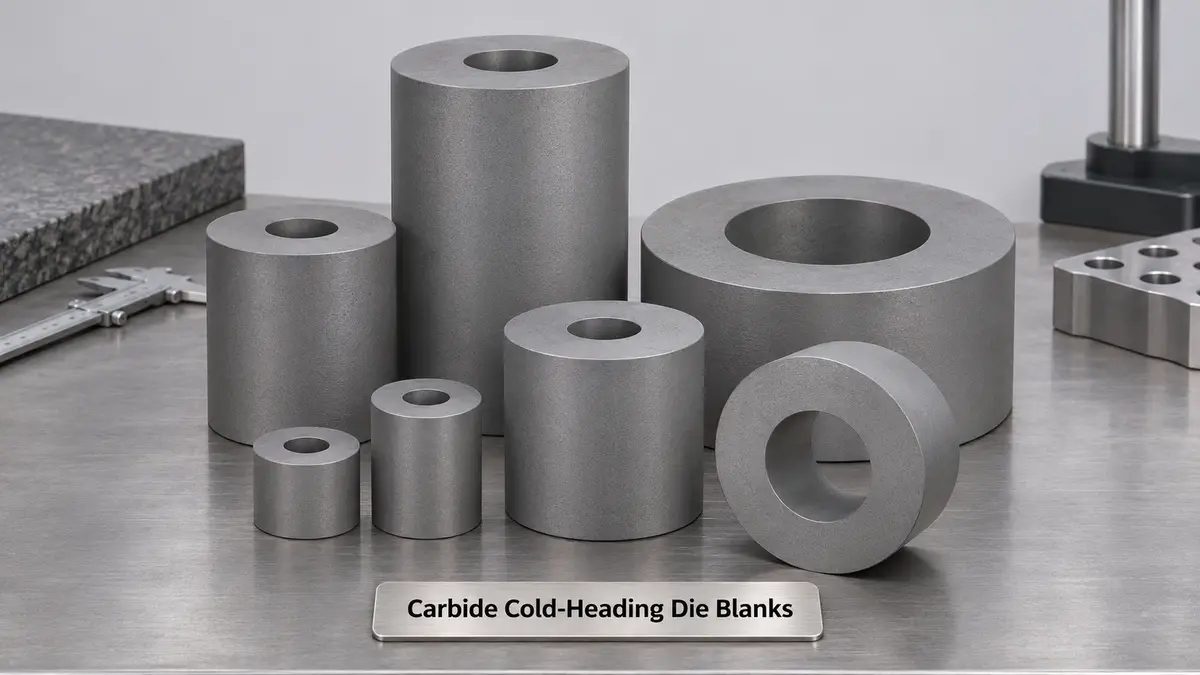
Duty and classification for cold-heading die blanks
Read from the UK Trade Tariff on 4 October 2026, heading 8209 covers plates, sticks, tips and the like for tools, unmounted, of cermets. This guide concerns unmounted cemented-carbide cold-heading die blanks within the “Other” line, 8209 00 80 00. The table shows product variants sharing that code, rather than separate tariff subdivisions.
The supplied tariff record gives 0% duty for goods from China and lists no anti-dumping or countervailing measures, suspensions or attached import controls for this line. Confirm the product's material, condition and degree of assembly before using the code, particularly where the carbide is already fitted into a steel case.
Use the commodity code guide to check the actual goods before shipment. For related unmounted die blanks within the wider heading, see the carbide wire-drawing die blanks guide.
| Goods | Commodity code | Duty | Anti-dumping or countervailing duty on China |
|---|---|---|---|
| Unmounted cylindrical carbide cold-heading die blanks | 8209 00 80 00 | 0% | None |
Specify the carbide grade and finishing allowance
Send the blank drawing and finished die drawing separately. Specify outside diameter, length, bore or cavity profile, concentricity, end-face condition and grinding allowance. State whether you want a solid blank, a pilot bore or a shaped cavity, and identify which surfaces the factory finishes.
Agree the carbide grade, binder composition, grain size and acceptance criteria for hardness, density and porosity. Explain the wire material, forming sequence, intended steel case and fitting method. Select the grade for resistance to impact and wear in your application, then approve samples through machining, fitting and a representative forming trial.
Request information covering handling, intended finishing and fitting conditions, and damage recognition. Keep that information with the drawing and batch records.
Worked duty example
Illustrative example, not a quote: Illustrative trial batch of unmounted carbide cold-heading die blanks for a tooling business under 8209 00 80 00, invoiced at £2,000 free on board, with £800 of freight and insurance to the UK. The customs value is £2,800. Duty at 0% is £0. Import VAT at 20% is charged on the customs value plus duty, £2,800, so it is £560. With no duty, the only import tax is the VAT, which a VAT-registered importer can usually reclaim. The import duty and VAT guide explains each step.
Inspection checklist
Geometry: measure outside diameter, length, bore position, concentricity and end faces against the agreed blank drawing; confirm that enough finishing allowance remains.
Material: match batch certificates to the agreed grade and binder composition; arrange sample hardness, density and porosity checks against agreed acceptance criteria.
Condition: inspect surfaces, bore entrances and edges for cracks, chips and grinding damage; check individual protection and separation in the packaging.
Trial: machine and fit sample blanks using the intended process, then assess formed-part dimensions, surface finish, die wear and cracking. Agree the inspection scope through the inspection guide.
Working out your own order? Send us the product on WhatsApp and we reply the same working day: WhatsApp us
What goes wrong
A grade chosen mainly for hardness can chip under forming impact, while an unsuitable wear-resistant balance can let the cavity lose size. A blank may pass external measurements yet contain porosity or an off-centre bore. Compare material results and forming performance with the approved sample before accepting repeat batches.
Insufficient grinding allowance leaves no room to correct the bore or outside diameter. Incorrect allowance for fitting into the steel case can damage the carbide during assembly. Loose packaging chips edges in transit. Define the blank dimensions, final dimensions and fitting process separately, and hold damaged arrivals for assessment.
Cambridge China Bridge sources these products for UK businesses, checking the factory and the documents before shipment. See factory verification. For repeat volumes, see container programmes.
Frequently asked questions
What is the UK import duty on carbide cold-heading die blanks from China?
The supplied tariff record gives 0% duty under 8209 00 80 00 for unmounted blanks within this line, with no listed anti-dumping or countervailing measures.
Which carbide grade should I order for cold-heading dies?
Agree the grade using the wire material, forming sequence, impact loading and wear pattern. Compare hardness, density and porosity results, then trial finished dies in the intended application.
Can I order blanks with a bore already formed?
Yes. Specify whether the bore is a pilot hole or a shaped cavity, its position and the remaining finishing allowance. Keep the blank drawing separate from the finished die drawing.
How should I check carbide die blanks on arrival?
Check dimensions, bore alignment, batch identity, material results and visible damage. Machine and fit sample blanks, then run a forming trial before accepting the batch for production.