Sourcing uncoated book paper from China
Uncoated book paper from China carries 0% UK duty across the relevant lines, with no anti-dumping or countervailing duty recorded. For Great Britain, paper containing virgin wood fibre needs timber-source due diligence. Specify opacity, bulk, grain direction and press performance. Cambridge China Bridge sources uncoated book paper.
Buying from China for a business? How our UK China sourcing agent service works · China sourcing agent for small orders and first imports
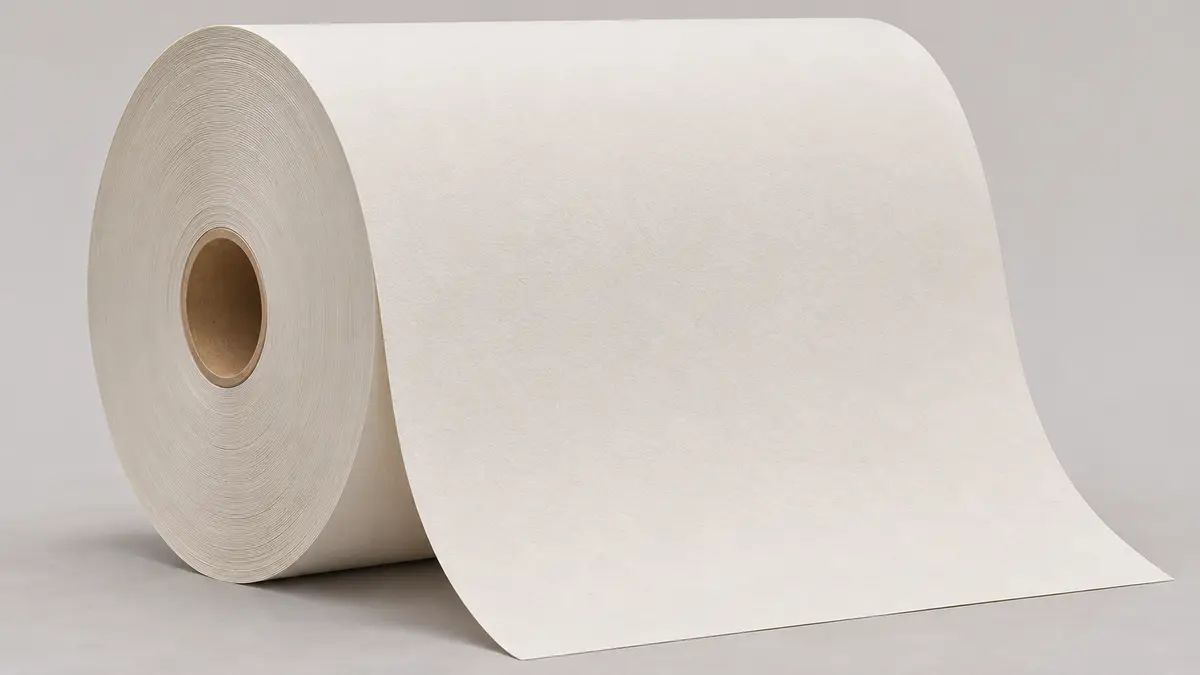
Duty on uncoated book paper
Read from the UK Trade Tariff on 1 October 2026, the relevant book paper lines under heading 4802 carried 0% duty on goods from China. The supplied tariff record lists no anti-dumping or countervailing duty, suspensions or attached import controls for these lines. Heading 4802 covers uncoated paper for writing, printing and other graphic purposes in rolls or rectangular sheets.
Classification depends on grammage, sheet dimensions, roll format and fibre composition. In the table, low mechanical fibre means mechanical or chemi-mechanical fibres account for no more than 10% of total fibre weight. The roll rows describe ordinary printing grades rather than the separate decor-paper descriptions. Give your broker the mill specification and confirm the commodity code.
These rows focus on paper supplied for book interiors. For the wider heading, see copier and printing paper. Budget separately for import VAT at 20%; see UK import duty and VAT.
| Goods | Commodity code | Duty | Anti-dumping or countervailing duty on China |
|---|---|---|---|
| Book paper rolls, 40 to under 60 g/m²; low mechanical fibre | 4802 55 15 90 | 0% | None |
| Book paper rolls, 60 to under 75 g/m²; low mechanical fibre | 4802 55 25 90 | 0% | None |
| Book paper rolls, 75 to under 80 g/m²; low mechanical fibre | 4802 55 30 90 | 0% | None |
| Book paper rolls, 80 to 150 g/m²; low mechanical fibre | 4802 55 90 90 | 0% | None |
| Larger book paper sheets, 40 to 150 g/m²; low mechanical fibre | 4802 57 00 00 | 0% | None |
| Book paper rolls under 72 g/m²; over 50% mechanical fibre | 4802 61 15 00 | 0% | None |
| Other book paper rolls; over 10% mechanical or chemi-mechanical fibre | 4802 61 80 00 | 0% | None |
| Larger book paper sheets; over 10% mechanical or chemi-mechanical fibre | 4802 69 00 00 | 0% | None |
Specify book bulk, opacity and grain
Specify grammage and tolerance, thickness, bulk, opacity, shade, surface finish and moisture. State whether the paper is for sheet-fed or web printing, and agree sheet dimensions or reel width, diameter and core size. Give the mill the binding method and required grain direction. Compare white or cream shades against a retained physical sample.
Ask the printer to trial the proposed paper with the intended ink and binding process. Check reverse-side show-through, ink spread, surface picking, drying, folding and adhesive performance. Make a bound dummy to judge spine thickness, page turning and opening behaviour before approving the production grade.
For paper containing virgin wood fibre first placed on the Great Britain market, the importer must carry out timber-source due diligence. Obtain fibre species, pulp source and country of harvest from the supplier. Due diligence includes gathering information, assessing risk and mitigating risk. Collect the sourcing documents before shipment alongside the mill's batch test results.
Worked duty example
Illustrative example, not a quote: 10 tonnes of uncoated book paper in large sheets, 80 g/m², low mechanical fibre (illustrative order) under 4802 57 00 00, invoiced at £21,000 free on board, with £3,000 of freight and insurance to the UK. The customs value is £24,000. Duty at 0% is £0. Import VAT at 20% is charged on the customs value plus duty, £24,000, so it is £4,800. With no duty, the only import tax is the VAT, which a VAT-registered importer can usually reclaim. The import duty and VAT guide explains each step.
Inspection checklist
Paper properties: sample across batches and compare grammage, thickness, opacity, shade and moisture with the approved specification.
Printing and binding: trial production paper for show-through, picking, ink drying and folding; check grain direction against the binding brief.
Sheets and reels: check dimensions, squareness, dusty edges, reel ends, core condition and marked splices; count sheets or reconcile reel weights.
Arrival condition: inspect wrapping, pallet protection and paper for dampness, mould, curl and crushed edges. Record affected batch identities before releasing stock; see quality inspection.
Working out your own order? Send us the product on WhatsApp and we reply the same working day: WhatsApp us
What goes wrong
Paper can meet the ordered grammage yet have insufficient bulk, leaving the finished book thinner than the approved dummy. Low opacity makes reverse-side text visible. Shade changes between batches can show within the same book, while loose surface fibres contaminate the press and cause picking.
Uneven moisture causes curl and feeding problems. Grain running across the intended fold can produce stiff pages and poor opening. Keep an approved paper sample and bound dummy, agree acceptance criteria with the printer, and investigate affected batches before mixing them into a print run.
Cambridge China Bridge sources these products for UK businesses, checking the factory and the documents before shipment. See factory verification. For repeat volumes, see container programmes.
Frequently asked questions
What is the UK import duty on uncoated book paper from China?
The relevant heading 4802 lines carry 0% duty in the supplied tariff record, with no anti-dumping or countervailing duty recorded. Import VAT is separate.
Does book paper need timber due diligence?
Paper containing virgin wood fibre first placed on the Great Britain market requires timber-source due diligence. Ask the mill for fibre species, pulp source and country of harvest.
Which grain direction should I order for book paper?
Agree grain direction with the printer and binder. Grain parallel to the spine generally helps pages turn and the book open; confirm this with a folded and bound trial.
How do I choose between book papers of the same grammage?
Compare opacity, bulk, shade and print behaviour. Make a bound dummy and print both sides: equal grammage can still give different spine thickness and show-through.