Sourcing Tuna Oil from China
Tuna oil from China carries 0% to 10% UK duty under heading 1504: liquid body oil is 0% and solid fractions are 10%. For food-use oil, ask the Animal and Plant Health Agency or your customs broker to confirm origin and establishment eligibility and animal-origin import documents for the applicable risk category. Cambridge China Bridge sources tuna oil.
Buying from China for a business? How our UK China sourcing agent service works · China sourcing agent for small orders and first imports
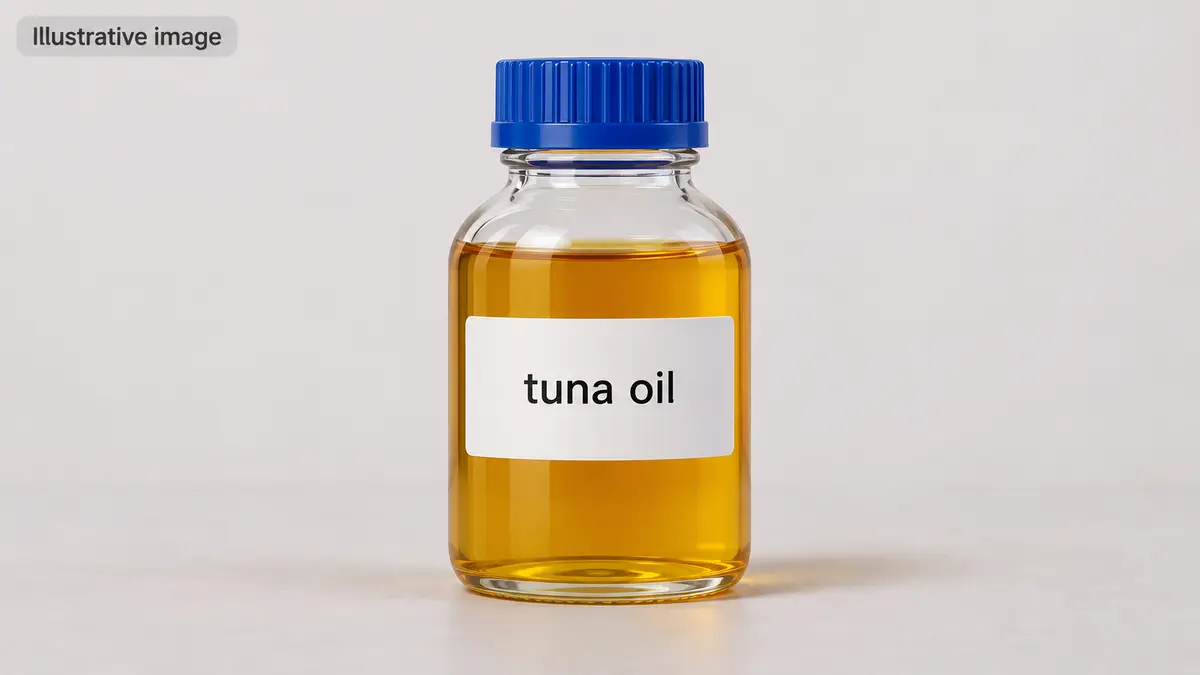
Tuna oil duty and import controls
Read from the UK Trade Tariff on 4 October 2026, heading 1504 covers fish oils and their fractions, refined or unrefined, but not chemically modified. Tuna body oil other than solid fractions carries 0% duty from China; solid fractions carry 10%. Tuna-liver oil carries 2% where vitamin A does not exceed 2 500 International Units per gram, otherwise 0%. The supplied lines show no anti-dumping or countervailing duty and no suspensions.
Veterinary control is attached. For food use, ask the Animal and Plant Health Agency or your customs broker to confirm approved-country and establishment eligibility, any arrival pre-notification, and the health certificate or commercial documents appropriate to the risk category. Ask whether feed and technical oils fall under the separate animal by-products route. Ask the Animal and Plant Health Agency to confirm China-specific eligibility for the intended use before ordering, especially for feed oil. Importers are responsible for checking applicable restrictions.
Organic imports have an attached control: arrange the inspection certificate with the exporter's control body and confirm consignment requirements with your broker. Waste under notification controls requires the exporter to seek consent from the dispatch-country authority. CITES is also attached; confirm its application to the declared species with your customs broker. Confirm the commodity code using source tissue, processing, physical form and packing.
| Goods | Commodity code | Duty | Anti-dumping or countervailing duty on China |
|---|---|---|---|
| Tuna body oil, other than solid fractions | 1504 20 90 00 | 0% | None |
| Solid fractions of tuna body oil, immediate packs of 1 kg or less | 1504 20 10 10 | 10% | None |
| Solid fractions of tuna body oil, other pack sizes | 1504 20 10 90 | 10% | None |
| Other tuna-liver oil, outside the low-vitamin-A line | 1504 10 99 00 | 0% | None |
Specify the tuna source and oil grade
Specify the tuna species, source fishery, body or liver origin, and food, feed or technical use. State whether the oil is crude, refined or fractionated, and require the supplier to declare other oils and added antioxidants. Agree the fatty-acid profile, including the contents of the fatty acids used to support your product specification.
Set acceptance criteria for peroxide value, anisidine value, total oxidation, free fatty acids, moisture and impurities. Confirm applicable dioxin and polychlorinated biphenyl limits for food-use marine oil with the relevant food safety authority. Agree independent batch testing for these contaminants and heavy metals through testing and certification.
Specify sealed packing, oxygen protection, storage conditions and remaining shelf life at arrival. Treat finished supplement capsules separately: the reference guide places these usually under food preparations rather than this oil heading. For wider fish-oil context, see the salmon oil guide.
Worked duty example
Illustrative example, not a quote: Illustrative order: 20 tonnes of refined tuna body oil in sealed bulk containers under 1504 20 90 00, invoiced at £50,000 free on board, with £4,000 of freight and insurance to the UK. The customs value is £54,000. Duty at 0% is £0. Import VAT at 20% is charged on the customs value plus duty, £54,000, so it is £10,800. With no duty, the only import tax is the VAT, which a VAT-registered importer can usually reclaim. The import duty and VAT guide explains each step. This assumes the goods are standard-rated for VAT. Most food for human consumption is zero-rated, and animal feed can be too, in which case no import VAT is due, so check the rate for your product in HMRC's VAT Notice 701/14.
Inspection checklist
Identity: match the tuna species, source tissue and declared grade to the purchase specification and batch analysis.
Laboratory: independently sample the arriving batch for fatty-acid composition, oxidation and agreed contaminant tests; compare it with the pre-shipment sample.
Packing: inspect seals, leaks, container cleanliness and storage records; check that the agreed oxygen protection was used.
Documents: match batch references to import paperwork and producer records. Containers of oil following the non-food fish-oil route must be labelled as not for human consumption.
Working out your own order? Send us the product on WhatsApp and we reply the same working day: WhatsApp us
What goes wrong
A tuna-oil description alone leaves important gaps: a mixed fish oil may arrive instead of the agreed tuna source, oxidation results may differ from the approved sample, or damaged seals may compromise the batch. Test the actual shipment and hold disputed stock pending review. Use the inspection guide to define sampling and release checks.
Food, feed and technical grades need different paperwork. Establishment records or documents that do not match the intended use can hold up the consignment. Settle eligibility before payment, and confirm organic, waste and CITES questions before dispatch.
Cambridge China Bridge sources these products for UK businesses, checking the factory and the documents before shipment. See factory verification. For repeat volumes, see container programmes.
Frequently asked questions
What is the UK import duty on tuna oil from China?
Liquid tuna body oil carries 0%; solid fractions carry 10%. Tuna-liver oil carries 2% in the low-vitamin-A line, otherwise 0%. The supplied tariff facts show no anti-dumping or countervailing duty.
Can I import tuna oil for animal feed?
Ask the Animal and Plant Health Agency whether the feed oil falls under the animal by-products route. Ask it to confirm China-specific eligibility, the producer and required documents before ordering; food-use approval does not settle your feed-use checks.
Are tuna oil capsules covered by this heading?
The reference guide says fish-oil capsules sold as supplements are usually food preparations. Confirm classification for the finished formulation rather than using the bulk-oil code automatically.
What should I test when tuna oil arrives?
Check the fatty-acid profile, peroxide and anisidine values, total oxidation, free fatty acids and agreed contaminants. Match the sampled batch to its analysis certificate and inspect seals and packing.