Sourcing sardine oil from China
Sardine oil from China carries UK duty ranging from 0% for ordinary body oil to 10% for solid fractions. Food and feed oils follow different animal-origin import routes, so confirm the intended use, producer approval and documents before ordering. Cambridge China Bridge sources sardine oil.
Buying from China for a business? How our UK China sourcing agent service works · China sourcing agent for small orders and first imports
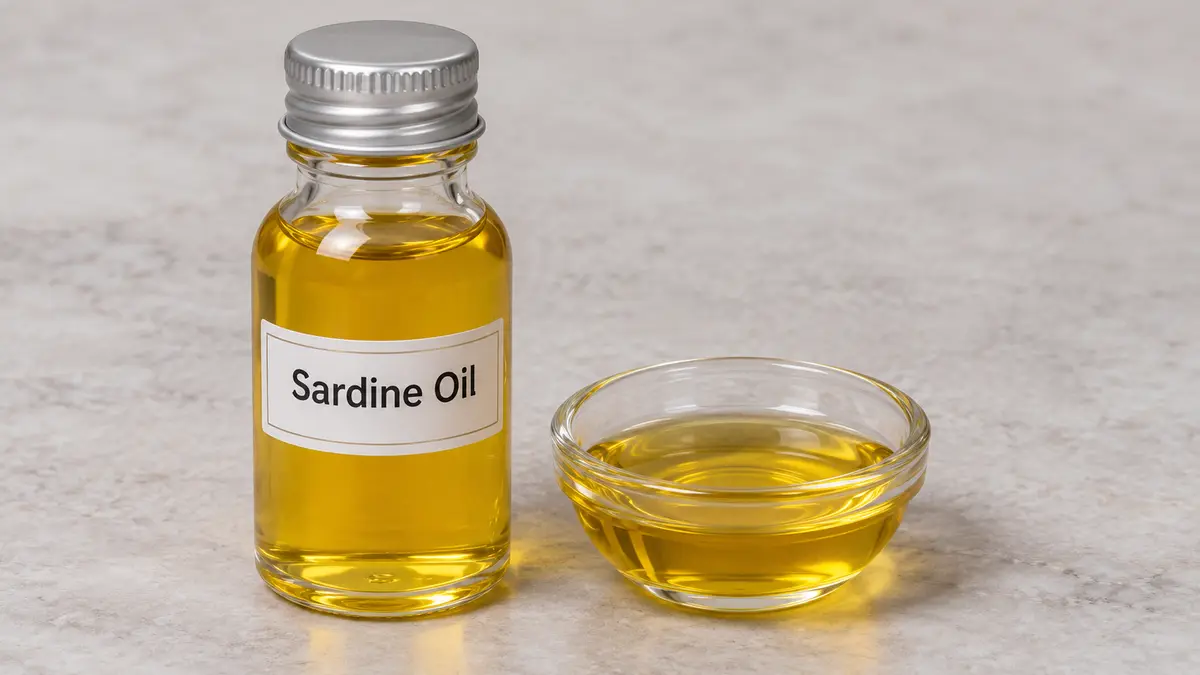
Duty on sardine body oil and fractions
Read from the UK Trade Tariff on 4 October 2026, heading 1504 covers fish and marine-mammal fats, oils and fractions, refined or not, but not chemically modified. Ordinary sardine body oil under 1504 20 90 00 carries 0% duty from China; solid fractions carry 10%. The liver-oil table entry applies only to oil actually extracted from liver, rather than ordinary sardine body oil.
The supplied sardine-relevant lines show no anti-dumping or countervailing duty and no suspensions. The UK Trade Tariff attaches veterinary, CITES, organic-product and waste import controls, plus CITES and waste export controls. Confirm the veterinary route before shipment. For CITES, organic and waste controls, ask your customs broker to confirm the requirements for the actual species, claims, condition and intended movement.
Confirm the extraction source, physical form, processing and packaging through the commodity-code guide. Chemically modified oils and finished supplement capsules need separate classification checks. See the wider fish-oil guide for the other products within this heading.
| Goods | Commodity code | Duty | Anti-dumping or countervailing duty on China |
|---|---|---|---|
| Sardine body oil, excluding solid fractions | 1504 20 90 00 | 0% | None |
| Solid fractions of sardine oil, immediate packings of 1 kg or less | 1504 20 10 10 | 10% | None |
| Solid fractions of sardine oil, other packings | 1504 20 10 90 | 10% | None |
| Other fish-liver oil, only where the product is sardine-liver oil | 1504 10 99 00 | 0% | None |
Specify the sardine source and intended use
Name the sardine species and raw-material source, and state whether the order is body oil, liver oil or a separated solid fraction. Specify food, feed or technical use; refining and deodorisation; EPA and DHA content; peroxide, anisidine and total oxidation values; free fatty acids; antioxidants; storage conditions; and shelf life. Agree batch acceptance criteria and sealed, nitrogen-flushed packing before approving the sample.
For food-use oil, confirm applicable marine-oil dioxin and PCB limits, country and establishment eligibility, and risk-dependent import documents with the relevant import and food authorities or your customs broker. Notify the border control post before arrival. Feed and technical oils follow animal by-product conditions. For these oils, the producer must be approved to export to Great Britain. Check the actual plant and intended use through factory verification.
Worked duty example
Illustrative example, not a quote: Illustrative order: 2 tonnes of bulk sardine body oil for a small feed manufacturer under 1504 20 90 00, invoiced at £10,800 free on board, with £2,500 of freight and insurance to the UK. The customs value is £13,300. Duty at 0% is £0. Import VAT at 20% is charged on the customs value plus duty, £13,300, so it is £2,660. With no duty, the only import tax is the VAT, which a VAT-registered importer can usually reclaim. The import duty and VAT guide explains each step. This assumes the goods are standard-rated for VAT. Most food for human consumption is zero-rated, and animal feed can be too, in which case no import VAT is due, so check the rate for your product in HMRC's VAT Notice 701/14.
Inspection checklist
Identity: match the sardine species, extraction source, grade and batch references across the specification, invoice and analysis certificate.
Laboratory: independently sample the batch for EPA and DHA, oxidation values, dioxins, PCBs and heavy metals against the agreed specification.
Packing: check drum seals, leaks, corrosion, nitrogen-flushing records and storage or transport temperature records on arrival.
Documents: match the producer approval and applicable import documents to the batch and intended use. Arrange testing and certification before shipment.
Working out your own order? Send us the product on WhatsApp and we reply the same working day: WhatsApp us
What goes wrong
A generic fish-oil analysis certificate may not identify the sardine batch or support its declared composition. Heat, oxygen exposure and leaking seals can leave the arriving oil outside the agreed oxidation specification. Another failure is ordering feed oil while expecting food-use paperwork. Keep a retained sample, compare arrival results with pre-shipment results, and resolve the use and approval route before dispatch.
Cambridge China Bridge sources these products for UK businesses, checking the factory and the documents before shipment. See factory verification. For repeat volumes, see container programmes.
Frequently asked questions
What is the UK import duty on sardine oil from China?
Ordinary sardine body oil under 1504 20 90 00 carries 0%; solid fractions carry 10%. The supplied tariff facts show no anti-dumping or countervailing duty on these lines.
Can I use feed-grade sardine oil in food?
Do not treat feed grade as food grade. For food-use oil, confirm applicable contaminant requirements, production-route eligibility and import documents with the relevant import and food authorities or your customs broker. Specify the intended use before ordering.
What should a sardine-oil analysis certificate show?
Request batch identity, species and source, EPA and DHA, oxidation values, free fatty acids and relevant contaminant results. Compare an independent batch sample with the agreed specification.
Are sardine-oil capsules covered by this guide?
This guide covers oil and its fractions. Finished fish-oil supplement capsules are usually food preparations and need a separate commodity-code check.