Sourcing tomato powder from China
Tomato powder covered by heading 2002 pays 14% UK duty from China, with no anti-dumping or countervailing duty and no suspension on the powder line. Powders with added sugar or starch need a complete recipe; organic imports require a Great Britain certificate of inspection. Cambridge China Bridge sources tomato powder.
Buying from China for a business? How our UK China sourcing agent service works · China sourcing agent for small orders and first imports
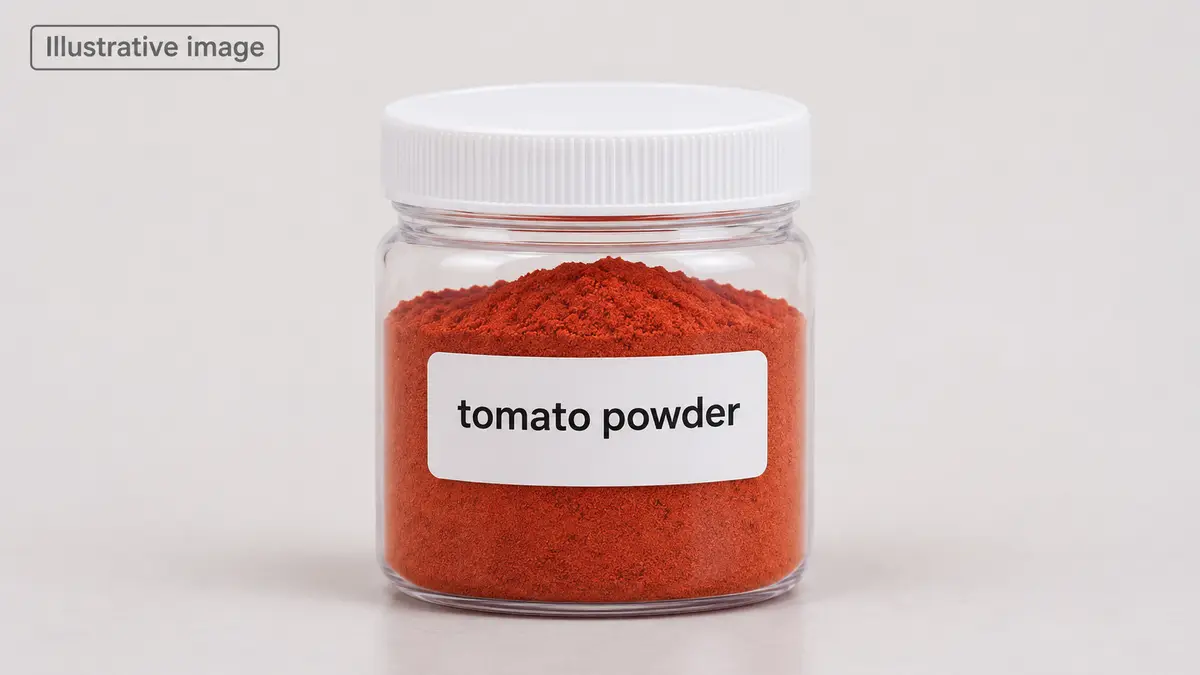
Tomato powder duty: 14%
Read from the UK Trade Tariff on 11 November 2026, heading 2002 covers tomatoes prepared or preserved otherwise than by vinegar or acetic acid. Its powder line, 2002 90 80 10, covers dry matter above 34% by weight, whether or not containing added sugar, other sweetening matter or starch. The table shows formulations within this same commodity line.
Goods from China on the powder line carry 14% duty, with no anti-dumping or countervailing duty and no suspension listed. The narrow tomato-paste suspension elsewhere in the heading does not cover this powder line. See the tomato paste and canned tomatoes guide for the wider heading.
The tariff attaches an organic import control. Organic powder from China requires a Great Britain certificate of inspection; the exporter’s control body issues it. Organic imports must use the countries, territories and control bodies recognised in the official registers. Confirm the applicable certification and clearance documents with your customs broker before shipment. Supply the full recipe, processing method and dry-matter result when checking your commodity code.
| Goods | Commodity code | Duty | Anti-dumping or countervailing duty on China |
|---|---|---|---|
| Tomato powder without added sugar or starch, dry matter over 34% | 2002 90 80 10 | 14% | None |
Specify tomato content, drying and reconstitution
State whether you want tomato-only powder or a formulation containing sugar, starch or another carrier. Ask the factory to disclose the complete recipe and drying method. Agree moisture, dry matter, particle size, colour, flavour, acidity, bulk density and how the powder should disperse in your intended soup, sauce or seasoning.
Approve a sample in your own recipe and retain it for comparison. Agree batch testing for microbiological quality and pesticide residues, storage conditions, remaining shelf life and sealed packaging that resists moisture. For a food product with multiple ingredients, all ingredients must be listed. Review origin wording so it does not mislead buyers.
Worked duty example
Illustrative example, not a quote: Illustrative trial order: 220 kg of tomato powder in sealed ingredient bags under 2002 90 80 10, invoiced at £3,000 free on board, with £2,500 of freight and insurance to the UK. The customs value is £5,500. Duty at 14% is £770. Import VAT at 20% is charged on the customs value plus duty, £6,270, so it is £1,254. Import taxes total £2,024; a VAT-registered importer can usually reclaim the VAT, so the lasting cost is the £770 of duty. The import duty and VAT guide explains each step. This assumes the goods are standard-rated for VAT. Most food for human consumption is zero-rated, and animal feed can be too, in which case no import VAT is due, so check the rate for your product in HMRC's VAT Notice 701/14.
Inspection checklist
Identity: match the recipe, batch reference and certificate of analysis to the supplied powder; investigate undeclared carriers or changes in tomato content.
Performance: compare colour, aroma, particle size and reconstitution with the approved sample; check for burnt flavour, gritty sediment and unexpected sweetness.
Condition: inspect bags and liners for punctures, weak seals, dampness and hard lumps; check moisture and net weight against the agreed specification.
Documents: match batch labels to test reports, check ingredient and origin wording, and check the organic certificate of inspection where organic goods are ordered. Use the quality inspection guide to agree inspection coverage.
Working out your own order? Send us the product on WhatsApp and we reply the same working day: WhatsApp us
What goes wrong
Powder can cake when moisture enters through damaged liners or poor seals. Excessive drying heat can darken the colour and leave a burnt flavour. A change in carrier or particle size can alter thickening, dispersibility and flavour strength even when the powder looks similar.
Test production samples in the intended recipe before loading. On arrival, hold damp, damaged or unidentified bags apart while you investigate. A factory’s organic claim needs the applicable import documents, so settle the certification route before approving organic packaging.
Cambridge China Bridge sources these products for UK businesses, checking the factory and the documents before shipment. See factory verification. For repeat volumes, see container programmes.
Frequently asked questions
What is the UK import duty on tomato powder from China?
The supplied tariff snapshot shows 14% for 2002 90 80 10, with no anti-dumping or countervailing duty and no suspension on this powder line.
Does added starch change the tomato powder code?
The powder line expressly includes added starch, sugar and other sweetening matter. Give your broker the complete recipe and dry-matter result to confirm that your product fits.
What paperwork does organic tomato powder need?
Organic imports from China into Great Britain require a Great Britain certificate of inspection issued by the exporter’s control body. Check eligibility against the official organic registers with your broker.
How do I check tomato powder quality?
Compare production samples with the approved sample for moisture, colour, flavour, particle size and reconstitution. Match batch test reports to the shipment and inspect sealed liners for damage and caking.