Sourcing tomato passata from China
Tomato passata from China carries 14% UK duty across the relevant dry-matter and pack-size bands. Organic consignments need a certificate of inspection. Agree the recipe, measured dry matter and immediate pack size before choosing the code. Cambridge China Bridge sources tomato passata.
Buying from China for a business? How our UK China sourcing agent service works · China sourcing agent for small orders and first imports
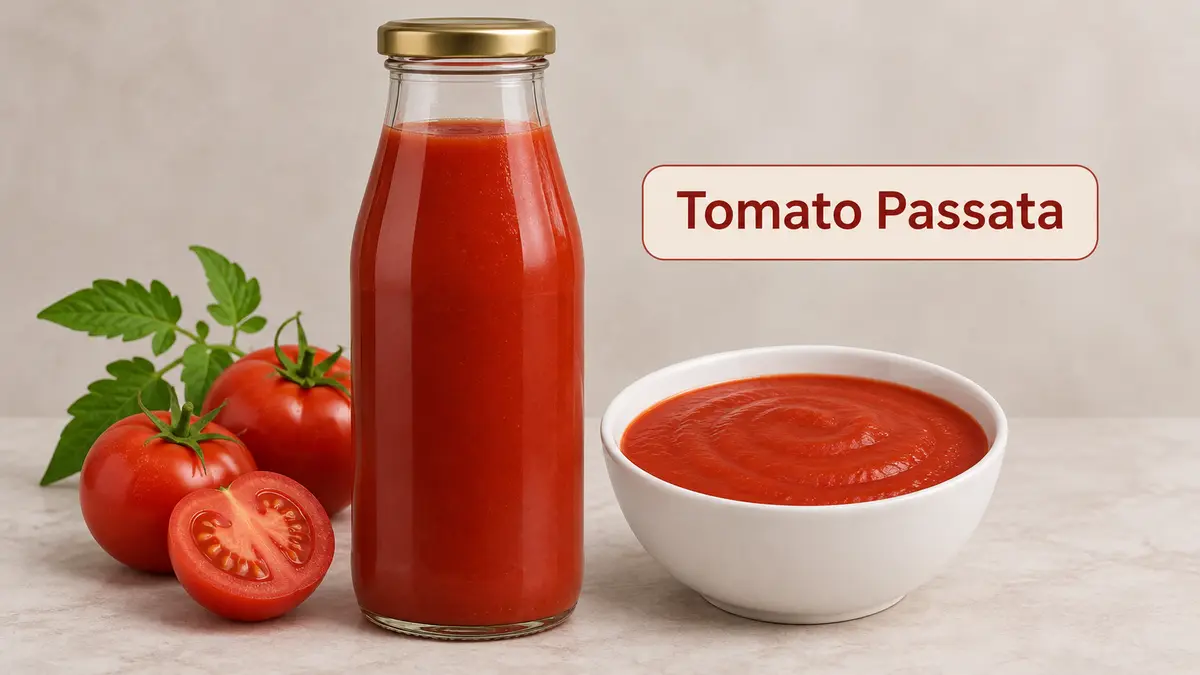
Passata duty and organic import controls
Read from the UK Trade Tariff on 5 October 2026, heading 2002 covers tomatoes prepared or preserved otherwise than by vinegar or acetic acid. Passata buying specifications should distinguish sieved tomato pulp from concentrated paste supplied for dilution. The table includes a concentrated feedstock line, which should not be used automatically for finished passata.
The listed lines carry 14% duty for goods from China, with no anti-dumping or countervailing duty recorded. The feedstock line has a narrow suspension for specified tomato paste in bins; ordinary bottled passata does not meet that description. The tariff attaches an organic import control. Organic passata from China needs a certificate of inspection for each consignment, issued by the exporter’s control body. Check eligibility against the official organic registers and confirm the arrangements with your customs broker.
Below 12% dry matter, immediate packings exceeding 1 kg and those not exceeding 1 kg use different codes. Dry matter of 12% to 20% has a separate line. Obtain measured dry matter rather than substituting soluble-solids readings, and confirm the commodity code. For the suspension and other tomato products, see the tomato paste and canned tomatoes guide.
| Goods | Commodity code | Duty | Anti-dumping or countervailing duty on China |
|---|---|---|---|
| Passata below 12% dry matter, immediate packs over 1 kg | 2002 90 11 00 | 14% | None |
| Passata below 12% dry matter, immediate packs up to 1 kg | 2002 90 19 00 | 14% | None |
| Tomato purée with 12% to 20% dry matter | 2002 90 20 00 | 14% | None |
| Concentrated tomato feedstock, over 20% to 30% dry matter, packs over 1 kg | 2002 90 41 95 | 14% | None |
Specify the pulp, recipe and pack
Define whether you want sieved tomato pulp or a product made by diluting concentrate. Agree skin and seed removal, sieve texture, colour, flavour, soluble solids, dry matter and consistency against an approved sample. State whether salt, herbs or other ingredients are allowed. Ask for batch analysis and traceability to the growing and processing locations.
Choose the bottle, carton or catering pack and agree the closure, filling process, shelf-life evidence and storage instructions after opening. Request evidence that the packaging suits the acidic product and its heat treatment. Plan pesticide-residue testing against GB limits with testing and certification support.
Worked duty example
Illustrative example, not a quote: Illustrative small-business pallet order of passata in 1 kg bottles, below 12% dry matter; FOB and freight values are illustrative under 2002 90 19 00, invoiced at £3,000 free on board, with £1,250 of freight and insurance to the UK. The customs value is £4,250. Duty at 14% is £595. Import VAT at 20% is charged on the customs value plus duty, £4,845, so it is £969. Import taxes total £1,564; a VAT-registered importer can usually reclaim the VAT, so the lasting cost is the £595 of duty. The import duty and VAT guide explains each step. This assumes the goods are standard-rated for VAT. Most food for human consumption is zero-rated, and animal feed can be too, in which case no import VAT is due, so check the rate for your product in HMRC's VAT Notice 701/14.
Inspection checklist
Pulp: compare colour, flavour, texture, seed fragments and water separation with the approved sample; check dry matter and consistency against the contract.
Seals: inspect bottles, caps, carton seams and catering packs for leaks, swelling, damaged closures and contamination around the seal.
Batch evidence: match the analysis report and production records to the delivered lot; review spoilage testing, pesticide results and the agreed shelf-life evidence.
Labels and fill: check measured net content, batch identification, date wording, recipe and storage instructions. The net quantity must be visible together with the food name. Review origin wording so it does not mislead. Use an agreed inspection brief.
Working out your own order? Send us the product on WhatsApp and we reply the same working day: WhatsApp us
What goes wrong
A sample can be smooth and thick while production contains seed fragments or separates in storage. Diluted concentrate may differ from the agreed pulp in flavour and consistency. Check production samples rather than accepting a generic factory analysis report.
Leaking closures, swollen packs and fermented odours need investigation before stock is released for sale. Keep affected lots separate and retain samples and photographs. Another avoidable problem is choosing a code from the product name while ignoring measured dry matter or the immediate pack size.
Cambridge China Bridge sources these products for UK businesses, checking the factory and the documents before shipment. See factory verification. For repeat volumes, see container programmes.
Frequently asked questions
What is the UK import duty on tomato passata from China?
The relevant passata lines carry 14% duty in the supplied tariff facts. No anti-dumping or countervailing duty is recorded. The narrow paste suspension should not be applied to ordinary bottled passata.
Can I import organic tomato passata from China?
Check eligibility against the official organic registers. Each organic consignment needs a certificate of inspection issued by the exporter’s control body. Confirm the import arrangements with your customs broker.
Which tests should I request for tomato passata?
Agree dry matter, soluble solids, consistency, colour, skin and seed fragments, spoilage testing and pesticide-residue checks. Match each report to the delivered batch.
Does bottle size change the passata commodity code?
Below 12% dry matter, immediate packings exceeding 1 kg use 2002 90 11 00; those not exceeding 1 kg use 2002 90 19 00. Confirm the recipe and measured dry matter before declaring.