Sourcing textile ballet shoes from China
Textile ballet shoes from China carry 16% UK duty across the relevant lines shown here, so the duty range is a single rate. Confirm the applicable footwear composition-labelling requirements with Trading Standards. Confirm the sole construction and fit before ordering. Cambridge China Bridge sources textile ballet shoes.
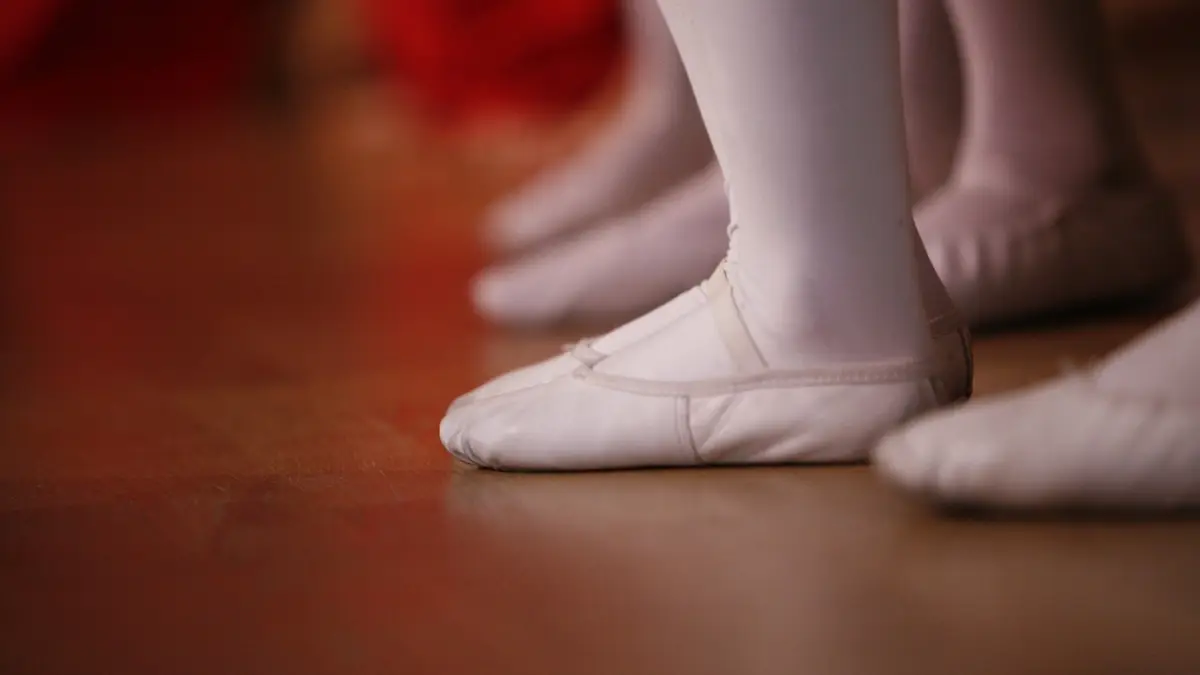
Duty and classification for textile ballet shoes
Read from the UK Trade Tariff on 8 October 2026, heading 6404 covers textile-upper footwear with rubber, plastic, leather or composition leather outer soles. The relevant lines shown here carry 16% duty for Chinese goods, with no anti-dumping or countervailing duty and no suspensions recorded. These are classification candidates, not an automatic code assignment for every ballet shoe.
The selected lines attach CITES and seal-product import controls; leather-sole lines also attach cat and dog fur controls. For Chinese supplies containing protected species, obtain the applicable CITES permission and corresponding Chinese documentation. Cat and dog fur products are banned from import. Seal products face a market ban with limited exceptions; an eligible Inuit-exemption consignment needs an attestation certificate. Ask your customs broker to confirm the applicable declarations against the actual materials.
Give your broker the upper and outer-sole materials, construction photographs and intended use to confirm the commodity code. The textile espadrilles guide provides wider heading context. Keep the ballet shoe specification separate from that of a casual shoe. For cycling footwear, see our textile-upper cycling shoe sourcing guide. For badminton styles, see our textile-upper badminton shoe sourcing guide. For bowling footwear, see our textile-upper bowling shoe sourcing guide. For fencing footwear, see our textile fencing shoe sourcing guide.
| Goods | Commodity code | Duty | Anti-dumping or countervailing duty on China |
|---|---|---|---|
| Textile-upper indoor footwear with rubber or plastic outer soles | 6404 19 10 00 | 16% | None |
| Other textile-upper footwear with rubber or plastic outer soles | 6404 19 90 00 | 16% | None |
| Textile-upper indoor footwear with leather or composition leather outer soles | 6404 20 10 00 | 16% | None |
| Other textile-upper footwear with leather or composition leather outer soles | 6404 20 90 00 | 16% | None |
Specify the fit and sole construction
Specify canvas or satin uppers, lining material, full or split sole, sole-patch material and placement, elastic position, drawstring construction and colour. State whether the order is for soft practice shoes or structured pointe shoes. Use separate approved samples for these constructions, and agree the quantities by size and width. For jazz dance footwear, see our textile jazz shoe sourcing guide.
Assess samples on the intended wearers and studio floor. Check toe space, heel retention, flexibility and whether sole patches sit beneath the intended contact areas. Approve a physical sample and measurement sheet together. Importers are responsible for consumer-product safety; confirm the applicable footwear composition-labelling requirements with Trading Standards, including how to describe the upper, lining and sock, and outer sole.
Worked duty example
Illustrative example, not a quote: Illustrative mixed-size order of textile ballet shoes under 6404 20 10 00, invoiced at £10,000 free on board, with £1,000 of freight and insurance to the UK. The customs value is £11,000. Duty at 16% is £1,760. Import VAT at 20% is charged on the customs value plus duty, £12,760, so it is £2,552. Import taxes total £4,312; a VAT-registered importer can usually reclaim the VAT, so the lasting cost is the £1,760 of duty. The import duty and VAT guide explains each step.
Inspection checklist
Fit: compare internal dimensions and width with the approved sample; check that paired shoes match and the heel stays in place during movement.
Construction: check sole-patch alignment, stitching, bonding and elastic anchorage; flex production shoes and look for separation or exposed sharp ends.
Finish: check canvas or satin colour, puckering, glue marks and lining wrinkles; inspect the inside by hand for rough seams.
Labels and packing: match composition labels to the actual materials; verify size markings, paired contents, size allocation and dry, clean cartons on arrival.
Working out your own order? Send us the product on WhatsApp and we reply the same working day: WhatsApp us
What goes wrong
A size marking can match the order while the shoe feels narrower or shorter than the approved sample. Elastic fitted too tightly can pull the heel forward, while misplaced sole patches change the feel underfoot. Check production samples across the ordered size range instead of approving only the appearance.
Loose elastic anchorage, sole separation and rough internal seams can make a pair unusable even when the upper looks correct. Moisture can leave mould or staining on arrival. Record these faults against the approved sample and use a product-specific inspection brief.
Cambridge China Bridge sources these products for UK businesses, checking the factory and the documents before shipment. See factory verification. For own-brand ranges, see sourcing for brands.
Frequently asked questions
What is the UK import duty on textile ballet shoes from China?
The relevant heading 6404 lines shown here carry 16% duty for Chinese goods, with no trade remedies or suspensions recorded. Confirm the code for the actual shoe construction.
Do textile ballet shoes need material labels?
Confirm the applicable footwear composition-labelling requirements with Trading Standards, including how to describe the upper, lining and sock, and outer sole. Match the factory's label artwork to the actual materials.
Does a leather sole change the commodity code?
It can. Heading 6404 separates rubber or plastic outer soles from leather or composition leather outer soles. Give your broker material details and construction photographs before confirming the code.
How should I check ballet shoe sizing?
Approve fit samples on intended wearers, record internal dimensions and width, and compare production pairs with those samples. Check heel retention and sole-patch placement as well as the printed size.