Sourcing studio condenser microphones from China
Studio condenser microphones from China carry 0% UK duty, with a flat 0% range across the supplied heading. For products within hazardous-substance rules, manufacturers must maintain technical documentation demonstrating compliance. Approve the capsule, power supply and recording performance. Cambridge China Bridge sources studio condenser microphones.
Buying from China for a business? How our UK China sourcing agent service works · China sourcing agent for small orders and first imports
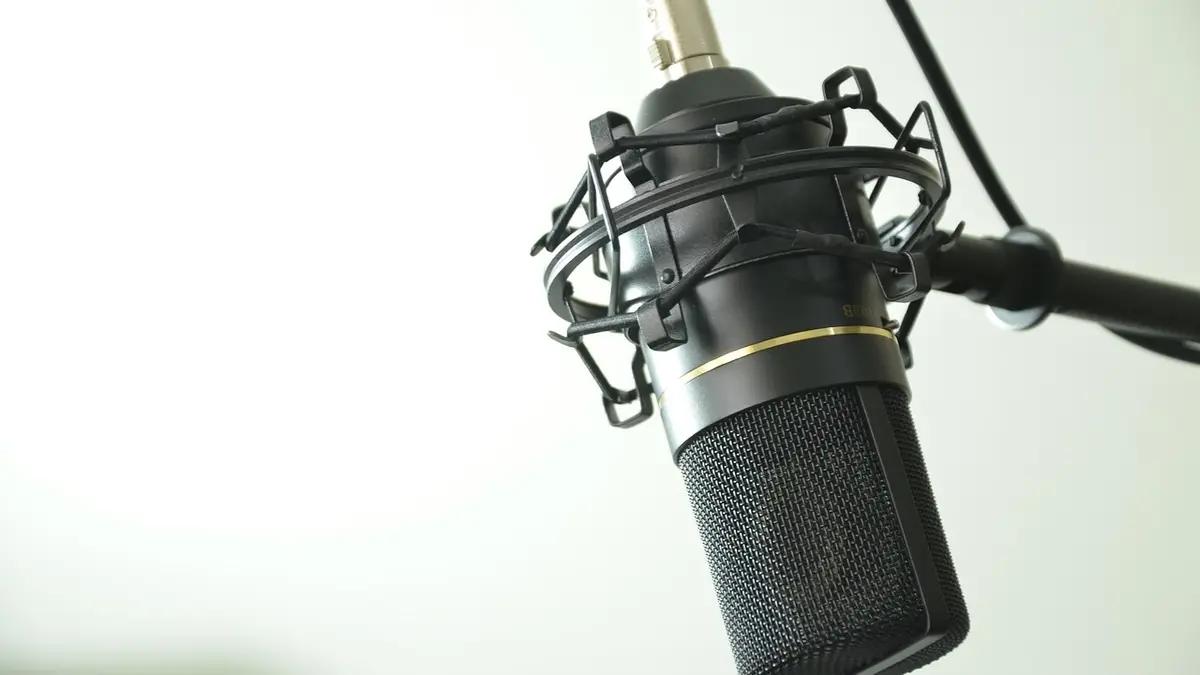
Duty on studio condenser microphones
Heading 8518 covers microphones and stands, loudspeakers, headphones, audio-frequency amplifiers, sound amplifier sets and parts. Studio condenser microphones fall within the microphone family. The table includes separately ordered parts, amplifiers and monitoring headphones for recording setups; these are not alternative classifications for the microphone itself.
Read from the UK Trade Tariff on 15 December 2026, every supplied line carries 0% duty for goods from China. The supplied data lists no anti-dumping or countervailing duty, suspension or attached import control. Import VAT is separate; see UK import duty and VAT.
Give your broker the finished microphone specification, power arrangement and packing list to confirm the commodity code, especially where an order includes separate equipment. For wider microphone sourcing within this heading, see wireless microphones.
| Goods | Commodity code | Duty | Anti-dumping or countervailing duty on China |
|---|---|---|---|
| Studio condenser microphones and microphone stands | 8518 10 00 90 | 0% | None |
| Microphone and other audio equipment parts | 8518 90 00 00 | 0% | None |
| Separate audio-frequency amplifiers for recording setups | 8518 40 00 90 | 0% | None |
| Separately ordered monitoring headphones | 8518 30 00 90 | 0% | None |
Specify the capsule, power and recording chain
State whether the microphone is for vocals, instruments or spoken recording. Specify capsule construction, diaphragm size, pickup patterns, sensitivity, self-noise, frequency response and overload behaviour. Agree how each claimed performance figure will be measured. Define the output connection, connector wiring and required power supply, then approve recordings through the buyer's intended interface.
Specify any attenuation switch, low-cut filter, headphone monitoring and computer connection behaviour. For valve designs, identify the external power supply and cable. Agree shock-mount fit, stand thread, pop filter and case contents. Keep an approved sample and require approval before capsule, circuit or accessory substitutions.
For Great Britain, assess electromagnetic compatibility scope: the rules cover equipment liable to generate electromagnetic disturbance, with exceptions. Within hazardous-substance rules, manufacturers must maintain technical documentation demonstrating compliance. Electrical-equipment producers must register annually under the waste regime. Arrange a model-specific review through testing and certification, including any supplied external power unit.
Worked duty example
Illustrative example, not a quote: Illustrative batch of studio condenser microphones for a recording-equipment retailer under 8518 10 00 90, invoiced at £8,000 free on board, with £1,200 of freight and insurance to the UK. The customs value is £9,200. Duty at 0% is £0. Import VAT at 20% is charged on the customs value plus duty, £9,200, so it is £1,840. With no duty, the only import tax is the VAT, which a VAT-registered importer can usually reclaim. The import duty and VAT guide explains each step.
Inspection checklist
Recording: compare production samples with the approved microphone using the same source, room, distance, interface and gain. Listen for hiss, hum, crackles, distortion and changes in tone.
Power and connection: check startup, connector wiring, cable movement and compatibility with the agreed supply. For computer-connected models, check recognition, recording and monitoring on the intended systems.
Patterns and controls: check front orientation, pickup-pattern switching, attenuation and low-cut operation where fitted. For matched pairs, compare output and tone under identical conditions.
Assembly and identity: inspect grille damage, capsule alignment, loose fittings, shock-mount grip and case protection. Match model and circuit versions to the agreed documents and packing list. Record results in the inspection brief.
Working out your own order? Send us the product on WhatsApp and we reply the same working day: WhatsApp us
What goes wrong
A familiar housing can conceal a different capsule or noisier circuit. A loud demonstration recording can hide self-noise that becomes obvious on quiet vocals. Keep the recording conditions consistent and compare quiet passages as well as louder material before accepting production samples.
Incorrect power arrangements can leave an otherwise suitable microphone unusable with the buyer's interface. Loose mounts transmit handling noise, while poor packing can dent the grille or displace internal fittings. Check microphones after arrival using the same recording procedure agreed before shipment.
Cambridge China Bridge sources these products for UK businesses, checking the factory and the documents before shipment. See factory verification. For components and parts, see sourcing for manufacturers.
Frequently asked questions
What is the UK import duty on studio condenser microphones from China?
The supplied tariff facts show 0% duty under 8518 10 00 90, with no anti-dumping or countervailing duty, suspension or attached import control. Import VAT is separate.
Will a condenser microphone work with my audio interface?
Check the microphone's power requirement, output connection and wiring against your interface. Approve a sample recorded through the actual interface and software before ordering.
What compliance paperwork should I ask the factory for?
Ask for model-matched technical documentation demonstrating hazardous-substance compliance and an assessment of electromagnetic compatibility scope. Include any external power unit in the review.
How do I check condenser microphone quality?
Compare recordings with the approved sample under identical conditions. Check quiet-passage noise, tone, output, distortion, pickup patterns, switches, connectors and shock-mount fit.