Sourcing steel springs from China
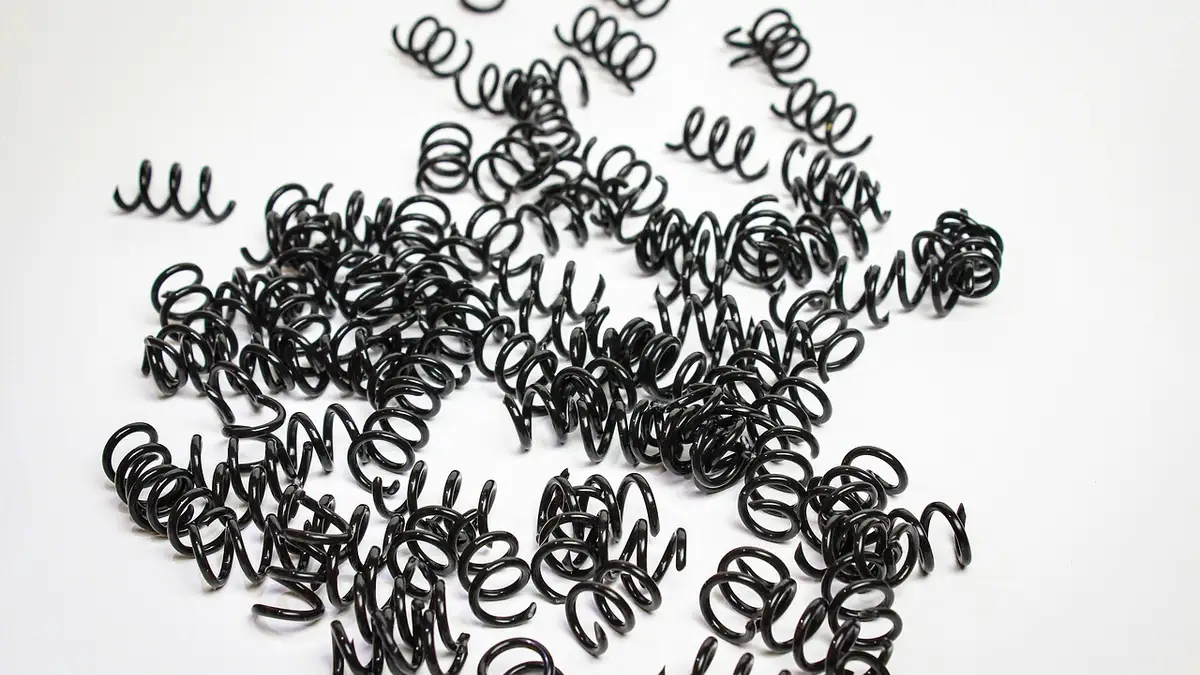
Springs and leaves for springs of iron or steel from China, including leaf springs, hot-wound and cold-coiled helical springs, compression, tension and torsion springs, flat spiral springs and disc springs, pay 0% UK duty with no anti-dumping duty. Heading 7320 was not among the lines carrying the 50% out-of-quota steel duty from 1 July 2026. Cambridge China Bridge sources springs.
Buying from China for a business? How our UK China sourcing agent service works · China sourcing agent for small orders and first imports
0% duty
Read from the UK Trade Tariff on 26 September 2026, every line of heading 7320 carried 0% third-country duty on goods from China, with no anti-dumping measure and none of the 50% out-of-quota duty that the UK steel trade measure applies to many steel products from 1 July 2026. Lines ending in 10 are for use in certain types of aircraft and need the airworthiness evidence named in the tariff. Springs of other metals, spring washers and clock springs classify elsewhere, so confirm the commodity code.
| Goods | Commodity code | Duty | Anti-dumping duty on China |
|---|---|---|---|
| Hot-worked laminated leaf springs | 7320 10 11 90 | 0% | None |
| Hot-worked helical springs | 7320 20 20 90 | 0% | None |
| Coil compression springs | 7320 20 81 90 | 0% | None |
| Coil tension springs | 7320 20 85 90 | 0% | None |
| Flat spiral springs | 7320 90 10 90 | 0% | None |
| Disc springs | 7320 90 30 90 | 0% | None |
Specifying springs
A spring drawing needs the wire or strip material and grade, wire diameter, outside or inside diameter, free length, number of active and total coils, end type, the load at stated working lengths with a tolerance, and the surface finish. Helical springs are commonly designed and toleranced to BS EN 13906 and made from spring steel wire to BS EN 10270, while leaf springs for vehicles follow the vehicle maker's drawing. For retaining rings, see our steel retaining ring sourcing guide. For spring pins, see our steel spring pin sourcing guide. For related suspension fasteners, see our suspension U-bolt sourcing guide.
Springs that carry repeated loads need fatigue life, shot peening and stress relieving specified, and springs in vehicle suspension, lifting or safety devices form part of that equipment's conformity, so the maker will ask for material certificates and load test records. For lifting chain, see our steel chain sourcing guide.
Worked duty example
Take a hypothetical order of 200,000 coil compression springs, entered under 7320 20 81 90: £18,000 free on board plus £1,500 of freight and insurance gives a customs value of £19,500. Compression springs carry no duty, so import VAT of 20% on £19,500, £3,900, is the only tax. A VAT-registered importer normally reclaims it, so the border adds no lasting cost. Step by step: UK import duty and VAT.
Inspection checklist
Load and geometry: loads at the two working lengths on the drawing measured on a calibrated spring tester against the tolerance grade agreed under BS EN 15800 for cold-coiled compression springs, with free length, outside diameter, squareness and parallelism of the ends checked on the same samples and the critical load tracked across the production lot rather than on first-off parts only.
Material and heat treatment: the wire certificate matched to the grade in BS EN 10270-1, -2 or -3, the wire tensile strength confirmed on a coil sample, hardness to ISO 6508-1 on heat-treated springs, depth of decarburisation measured on a sectioned sample by the methods of ISO 3887, and shot peening intensity and coverage checked with Almen strips to SAE J442 and J443 where peening is specified.
Coating and durability: zinc or zinc-nickel coating thickness measured by a magnetic method to ISO 2178, baking after plating to relieve hydrogen embrittlement confirmed against ISO 9588 with oven records, corrosion resistance tested by salt spray to ISO 9227 for the hours agreed, fatigue samples cycled on a rig to the life in the specification, and springs packed with separators so they do not tangle.
Working out your own order? Send us the product on WhatsApp and we reply the same working day: WhatsApp us
What goes wrong
Springs fail on load, fatigue and finish. Loads at the working length drift outside tolerance when wire diameter or coil count varies, springs take a permanent set because they were not pre-set or stress relieved, and fatigue cracks start at surface decarburisation or tool marks when shot peening is skipped. Plated high-strength springs can suffer hydrogen embrittlement without baking, and coatings rust in salt spray.
Load-test samples at the working lengths on a calibrated tester, check free length, diameters and squareness, ask for wire certificates and hardness results, cycle-test samples where fatigue life matters, check decarburisation and shot peening coverage on a sectioned sample, confirm baking after plating, and salt-spray test the coating.
Cambridge China Bridge sources compression, tension, torsion, leaf and disc springs to drawing, with load tests and material certificates agreed before production. See how we source engineered parts.
Frequently asked questions
What is the UK import duty on steel springs from China?
Read from the UK Trade Tariff on 26 September 2026, springs of heading 7320 carried 0% duty from China, with no anti-dumping duty.
Are springs covered by the 50% steel measure?
No. Heading 7320 was not among the lines carrying the 50% out-of-quota duty from 1 July 2026.
Which standards apply to helical springs?
Design and tolerances commonly follow BS EN 13906, with spring steel wire to BS EN 10270.
What causes springs to break early?
Fatigue from decarburisation or tool marks, missed shot peening, and hydrogen embrittlement after plating.