Sourcing starch and brewing residues from China
UK duty ranges from 0% to £267 per 1,000 kg, with a conditional zero-duty suspension for corn gluten. Confirm feed registration and labelling requirements with the relevant authority; organic and waste controls need checking against the actual goods. Cambridge China Bridge sources starch and brewing residues.
Buying from China for a business? How our UK China sourcing agent service works · China sourcing agent for small orders and first imports
Duty follows the process and protein content
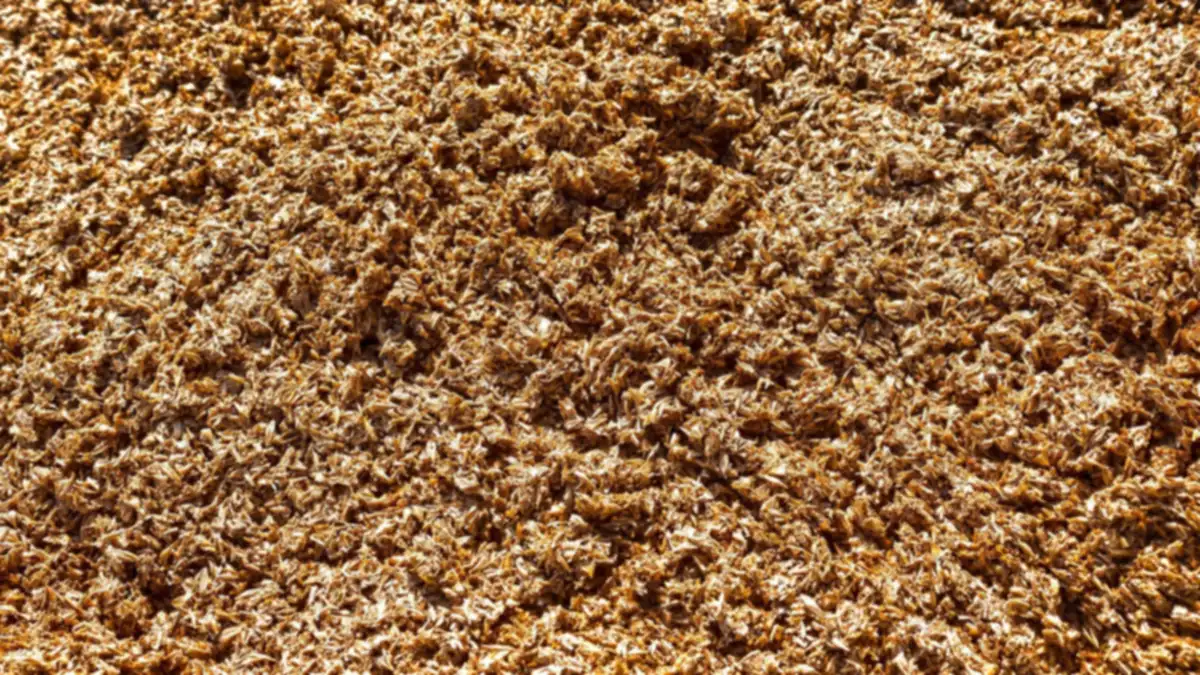
Read from the UK Trade Tariff on 18 November 2026, heading 2303 covers starch-manufacturing residues, beet pulp, bagasse, other sugar-manufacturing waste and brewing or distilling residues, including pellets. Most listed lines from China carry 0%. Maize starch residues above 40% dry-product protein carry £267 per 1,000 kg, excluding concentrated steeping liquors from that subdivision.
Corn gluten under 2303 10 11 10 has a suspension to 0.00%. It excludes mixtures, preparations and products made up of different components containing the product. The supplied tariff record lists no anti-dumping or countervailing duty. All lines carry organic import and waste import controls; it also records a waste export control.
Give your broker the original crop, manufacturing process, dry-basis protein analysis, ingredients and intended use to confirm the commodity code. For shipments from China, ask the broker to confirm the organic documentation and whether waste controls apply. For waste entering England under notification controls, shipment can start only after consent from the Environment Agency and the other authorities involved.
| Goods | Commodity code | Duty | Anti-dumping or countervailing duty on China |
|---|---|---|---|
| Maize starch residues, dry-product protein not above 40% | 2303 10 19 00 | 0% | None |
| Pea protein containing more than 65% protein on a dry-weight basis | 2303 10 90 10 | 0% | None |
| Other starch-manufacturing residues | 2303 10 90 90 | 0% | None |
| Beet pulp | 2303 20 10 00 | 0% | None |
| Bagasse and other sugar-manufacturing waste | 2303 20 90 00 | 0% | None |
| Brewing or distilling dregs and waste | 2303 30 00 00 | 0% | None |
Specify the residue, not just the trade name
Identify maize gluten, pea protein, beet pulp, bagasse or brewing residues precisely. Agree protein on a dry basis and as supplied, moisture, fibre, ash, residual starch and any added molasses or processing aids. For pellets, agree diameter, durability and acceptable fines. For brewing residues, record the grain, drying process and whether soluble fractions are included.
State whether the material is for feed, food or industrial processing. For feed, confirm importer registration and feed-material labelling requirements with the relevant authority, including the material's name and any statutory declarations. Consult the site's published background guide when preparing those questions. Do not treat a feed specification as acceptance for a food application.
For an organic order, ask for the certificate of inspection and have your broker confirm the import requirements before loading. The certificate is issued by the exporter's control body in the country of export. Match its product description to the actual residue and shipment.
Worked duty example
Illustrative example, not a quote: 12 tonnes of pea protein powder; illustrative order, not a quotation under 2303 10 90 10, invoiced at £30,000 free on board, with £3,500 of freight and insurance to the UK. The customs value is £33,500. Duty at 0% is £0. Import VAT at 20% is charged on the customs value plus duty, £33,500, so it is £6,700. With no duty, the only import tax is the VAT, which a VAT-registered importer can usually reclaim. The import duty and VAT guide explains each step. This assumes the goods are standard-rated for VAT. Most food for human consumption is zero-rated, and animal feed can be too, in which case no import VAT is due, so check the rate for your product in HMRC's VAT Notice 701/14.
Inspection checklist
Identity: compare the crop, production process and ingredient declaration with the contract; distinguish corn gluten from lower-protein maize residues.
Analysis: independently sample the lot and compare protein, moisture, fibre and ash with the agreed specification. Include relevant mycotoxin and microbiological testing in the laboratory brief.
Condition: check for mould, insects, caking, unusual heat and burnt odours at loading and arrival; inspect pellet fines and damaged bags.
Traceability: match batch identifiers on bags, bulk documents and laboratory reports. Retain sealed samples and photographs using an agreed inspection plan.
Working out your own order? Send us the product on WhatsApp and we reply the same working day: WhatsApp us
What goes wrong
A protein figure quoted on a dry basis can look better than the result for the delivered material. Excess moisture reduces usable solids and encourages deterioration. Brewing residues can vary with the grain and the amount of soluble material returned before drying; pellets can arrive as fines after handling.
An added ingredient can change both the specification and the classification question. Do not assume a blend receives the corn-gluten suspension. Resolve unclear waste status and organic paperwork before shipment, and agree rejection criteria for wet, contaminated or misdescribed lots.
Cambridge China Bridge sources these products for UK businesses, checking the factory and the documents before shipment. See factory verification. For repeat volumes, see container programmes.
Frequently asked questions
What is the UK import duty on starch and brewing residues from China?
Most lines carry 0%. Maize starch residues above 40% dry-product protein carry £267 per 1,000 kg, but corn gluten under 2303 10 11 10 has a conditional suspension to 0.00%.
Do I need to register to import these materials as animal feed?
Confirm feed-business registration requirements with the relevant authority. Specify the intended use before ordering and confirm the required feed-material name and statutory label declarations.
Who issues the organic certificate of inspection?
The exporter's control body in the country of export issues it. For a Chinese organic shipment, have your broker confirm the required documentation before loading.
Does the word waste in the tariff settle the import procedure?
Ask your broker to confirm the shipment's waste status and controls. For notified waste entering England, shipment can start only after consent from the Environment Agency and the other authorities involved.