Sourcing pea starch residue feed from China
Pea starch residue feed from China carries 0% UK duty on the relevant ordinary-residue and high-protein pea lines, with no listed trade remedies. Confirm feed-business registration and feed labelling requirements with the relevant authority. Confirm the process and dry-basis protein before classification. Cambridge China Bridge sources pea starch residue feed.
Buying from China for a business? How our UK China sourcing agent service works · China sourcing agent for small orders and first imports
Duty follows the process and protein
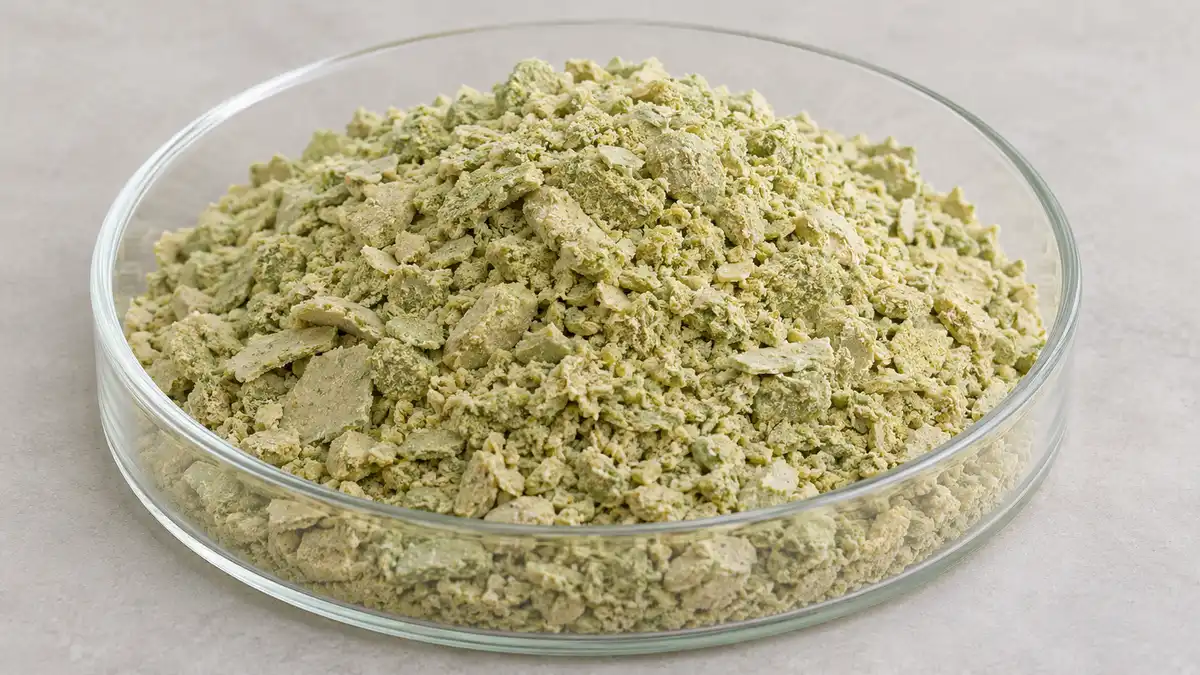
Read from the UK Trade Tariff on 29 September 2026, heading 2303 covers starch manufacture residues and similar residues, including pellets, alongside sugar and brewing residues. Ordinary pea starch residue is a candidate for 2303 10 90 90. The separate pea protein line, 2303 10 90 10, covers material containing more than 65% protein on a dry weight basis. The table repeats the ordinary-residue code for different purchasing forms; these are not separate tariff subdivisions.
Both relevant lines carry 0% duty for goods from China, with no listed anti-dumping or countervailing duty and no suspension. The tariff attaches organic import and waste import controls, plus an export waste control relevant to later exports. Organic importers must be based and certified in the UK. For Chinese organic consignments, confirm inspection certificate requirements with the customs broker and organic control body. Waste shipment controls apply where the material is waste; confirm its status before ordering.
Give the broker the pea source, starch extraction process, composition, additives and dry-basis protein analysis to confirm the commodity code. Where waste notification controls apply to an import into England, the exporter must apply to the competent authority in the dispatch country for consent. Confirm the remaining shipment requirements with the broker. See the wider starch and brewing residues guide for other materials in this heading.
| Goods | Commodity code | Duty | Anti-dumping or countervailing duty on China |
|---|---|---|---|
| Dried pea starch residue feed, loose | 2303 10 90 90 | 0% | None |
| High-protein pea material, over 65% protein on a dry weight basis | 2303 10 90 10 | 0% | None |
Specify the pea fraction and drying process
Ask the factory to describe how starch is separated from the peas and which fraction becomes the feed material. Agree crude protein, residual starch, fibre, moisture, ash and particle size. State whether analytical results are on an as-received or dry-matter basis. For pellets, agree dimensions, durability and acceptable fines against your handling equipment.
Record any binders, preservatives or blended ingredients, and require approval before the factory changes them. Confirm feed-business registration, feed material naming and statutory declarations, and the authorisation status of any feed additives in Great Britain with the relevant authority. Confirm the feed material description and applicable contaminant requirements with the relevant authority before approving the label.
Agree representative batch sampling, retained samples, packaging and storage conditions before shipment. Use testing and certification support to define the analysis brief. Keep the worked order illustrative rather than treating its values as a supplier quotation.
Worked duty example
Illustrative example, not a quote: Illustrative order: 12 tonnes of dried pea starch residue for animal feed under 2303 10 90 90, invoiced at £3,500 free on board, with £2,680 of freight and insurance to the UK. The customs value is £6,180. Duty at 0% is £0. Import VAT at 20% is charged on the customs value plus duty, £6,180, so it is £1,236. With no duty, the only import tax is the VAT, which a VAT-registered importer can usually reclaim. The import duty and VAT guide explains each step. This assumes the goods are standard-rated for VAT. Most food for human consumption is zero-rated, and animal feed can be too, in which case no import VAT is due, so check the rate for your product in HMRC's VAT Notice 701/14.
Inspection checklist
Identity: compare the production process, pea fraction and loose or pelleted form with the contract; investigate undeclared blends or unexpected husk content.
Analysis: independently sample the lot and compare protein, residual starch, fibre, moisture and ash with the agreed specification, using the same reporting basis.
Condition: on arrival, check for damp bags, mould, insects, caking, unusual odour and broken pellets; record affected bags and retain separate samples.
Documents: match bag or bulk batch references to analysis reports and shipment documents; check net weight, packaging integrity, feed declarations and any organic paperwork.
Working out your own order? Send us the product on WhatsApp and we reply the same working day: WhatsApp us
What goes wrong
A sample can represent a different extraction fraction from the delivered lot. Comparing dry-basis protein with an as-received result can conceal that mismatch. Extra starch or fibre changes the agreed feeding specification, while pellet breakage creates fines. Agree independent sampling through the quality inspection guide.
Damp material can cake or develop mould during transport. Hold affected stock pending assessment rather than blending it into sound material. A supplier calling the cargo a by-product does not settle its waste status. Resolve waste classification and organic document questions before loading, then compare arrival samples with retained shipment samples.
Cambridge China Bridge sources these products for UK businesses, checking the factory and the documents before shipment. See factory verification. For repeat volumes, see container programmes.
Frequently asked questions
What is the UK import duty on pea starch residue feed from China?
The relevant ordinary-residue and high-protein pea lines carry 0% duty. The supplied tariff record lists no anti-dumping or countervailing duty and no suspension on these lines.
Which commodity code covers pea starch residue feed?
2303 10 90 90 is a candidate for ordinary residue. 2303 10 90 10 covers the specified pea protein material with more than 65% protein on a dry weight basis. Confirm the process and analysis with your broker.
Do I need to register to import pea residue for animal feed?
Confirm feed-business registration requirements with the relevant authority. Confirm feed material naming, statutory declarations and applicable contaminant requirements with the relevant authority before importing.
Is pea starch residue automatically treated as waste?
The tariff attaches a waste import control, but the material's status needs checking. Ask your broker to confirm whether waste shipment controls apply and what consent or documents the consignment needs.